Quebec Sets Stage for Private iGaming Market Following Election
Friday 09 de October 2026 / 12:00
⏱ 4 min read
(Quebec).- Following the October 5th provincial elections, the Parti Québécois won 59 seats and aims to end Loto-Québec's monopoly by opening a competitive private iGaming market. Although falling short of a majority, the party's push signals a major shift toward a regulated online gaming environment similar to Ontario's.
For the first time in many years, Quebec now has an opportunity to put an end to the Loto-Quebec monopoly and begin its transition into a competitive and open market for Internet gaming like that of the Province of Ontario. On October 5th, after winning 59 seats in the provincial elections, the Parti Québécois is poised to establish a private, competitive internet gaming environment following the election results with the intention of ending Loto-Quebec’s exclusive right to offer Internet gaming in Quebec. Although the Parti Québécois fell 5 seats shy of having enough votes to constitute a majority government, the Liberal party garnered 40 seats and therefore will be entitled to be considered as “Official Opposition”.
Industry Points to Broad Agreement
Ariane Gauthier, communications officer at the Quebec Online Gaming Coalition (QOGC) stated that an election means the province will have a political leadership which views online gambling differently than the previous leadership. The QOGC is comprised of major commercial operators such as Apricot, Bet99, Betway, DraftKings, Entain, Flutter and Rush Street.
Gauthier also stated that the leader of the Parti Québécois Paul St-Pierre Plamondon has already congratulated the Liberal Party leader for announcing their online betting policy prior to the election. “We believe this is a progressive reform with a broad consensus that should be successful under the new provincial government,” she stated.
Liberal Plan Called for Regulatory Changes
As part of its government modernization program announced as part of the election campaign, the Liberal party recommended that the Régie des alcools, des courses et des jeux (RACJ) be given broader authority over all forms of Internet-based wagering in Quebec.
In addition to licensing and oversight of each online wagering platform operating in Quebec, the RACJ will enforce strict regulations to protect consumers; to prevent gambling addiction; and to regulate advertising practices.
On October 6th, PQ Leader Paul St-Pierre Plamondon held a press conference and stated that his party intends to follow a very similar regulatory model than what was outlined by the Liberals, had they been successful in their bid for majority government.
Key Details Remain Unsettled
Gauthier also stated that before determining what types of regulatory measures will need to be implemented by the Province of Quebec, and who will be responsible for overseeing all gaming operators in the province (including Loto-Quebec), the province will have to establish an independent agency.
“The proposed changes are significant and serve as a base for creating a safe and fair environment.”
Unregulated Market Remains Dominant
A private sector study was released last Summer estimating the potential size of Quebec’s total addressable iGaming market (CAD $3.09 Billion) as of 2026. It is estimated, based on current channelization levels, that only 27% of all iGaming activity will occur in a regulated environment; whereas 73% will occur in an unregulated environment. The loss to Gross Gaming Revenue would be approximately $2.3 billion.
According to Loto Québec, 81% of online gamblers in Quebec utilize their Espacejeux platform. However, according to a 2023 survey conducted by Mainstreet Research and published by the QOGC, 73% of Quebec-based players polled utilized privately run platforms for casino games and sports wagering. In addition, 72% of the players using the Espacejeux platform indicated they used it solely to purchase lottery tickets.
Industry Describes Major Policy Change
Troy Ross is the president of TRM Public Affairs. As such he represents the private sector iGaming operators. He stated that it was good news that both of the major political parties running for election in Quebec had committed to creating a legal framework to regulate online gambling.
Ross stated that if the PQ and Liberals were able to work together they would have enough votes to create legislation and implement their model. “This is a dramatic shift in public policy”, Ross stated.
Ontario Provides a Regulatory Template
Ontario’s private online gambling market was established on April 4th, 2022; today it includes 49 licensed operators offering 84 different sites. By 2025, the Ontario online gambling market had generated a total of CA$4.04 Billion in unadjusted gross gaming revenue (non-adjusted NAGGR).
Alberta will also be opening its own private online casino market as of this summer, with 36 active sites available.
The current CEO of the Canadian Gaming Association, Amanda Brewer, Senior Vice President Policy & Communications for the Canadian Gaming Association stated that Loto-Québec does not have regulatory oversight from the RACJ.
Brewer stated that to open an iGaming Market in Quebec there would first need to be the creation of a regulator and probably a conduct/and manage type entity similar to iGaming Ontario (iGO), or Alberta I-Gaming Corp. (AiGC).
Categoría:Legislation
Tags: Sin tags
País: Canada
Región: North America




Event




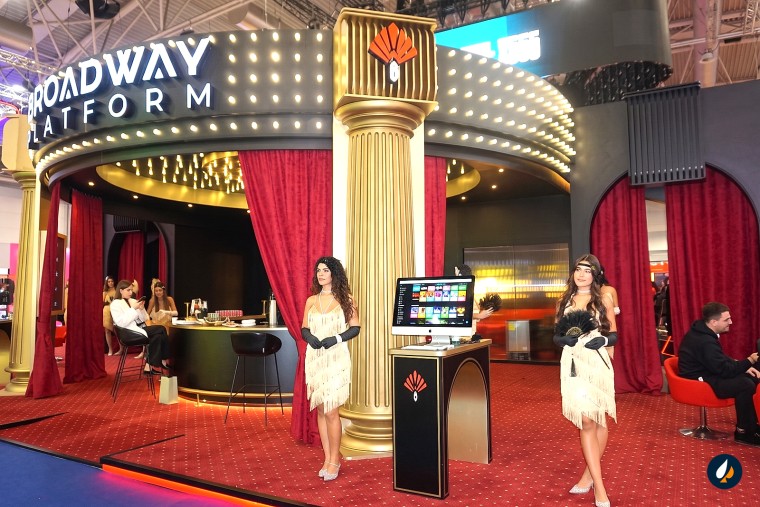
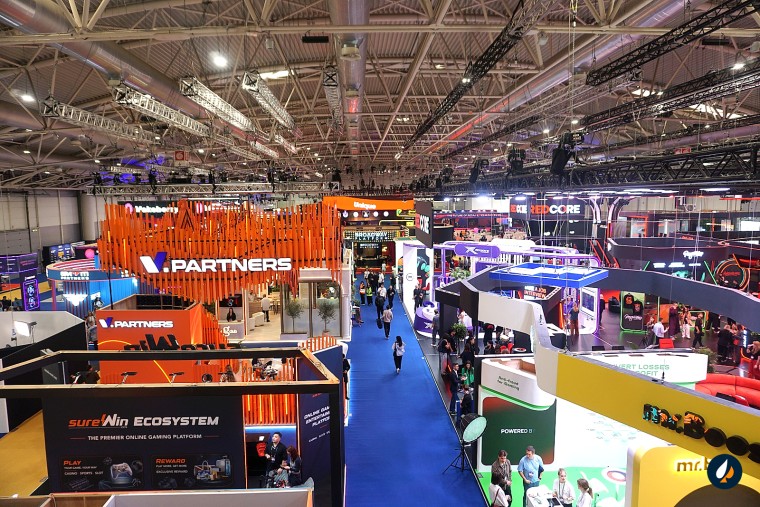

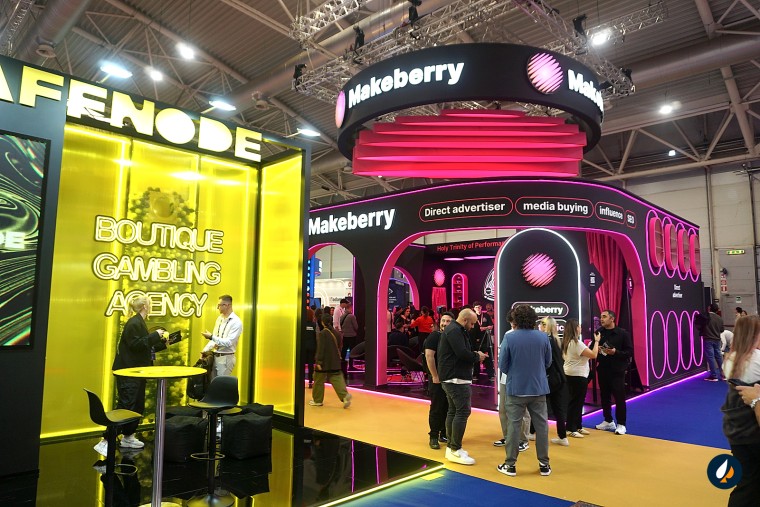

SiGMA World 2026
02 de November 2026
CT Interactive Reflects on SiGMA World 2026
Friday 13 Nov 2026 / 12:00
NOVOMATIC Italia Highlights Its Integrated Gaming Ecosystem at SiGMA World 2026
Friday 13 Nov 2026 / 12:00
Ready Play Gaming: Innovating iGaming with Reel Overlay
Friday 13 Nov 2026 / 12:00
SUSCRIBIRSE
Para suscribirse a nuestro newsletter, complete sus datos
Reciba todo el contenido más reciente en su correo electrónico varias veces al mes.