



SAFE Bet Act 2025: Altenar explains What US Sportsbook Operators Need to Know
Monday 08 de December 2025 / 12:00
2 minutos de lectura
(Douglas).- The newly proposed SAFE Bet Act aims to overhaul U.S. online sports betting, introducing federal regulations on advertising, spending limits, AI usage, and college betting—signaling major shifts for industry operators.
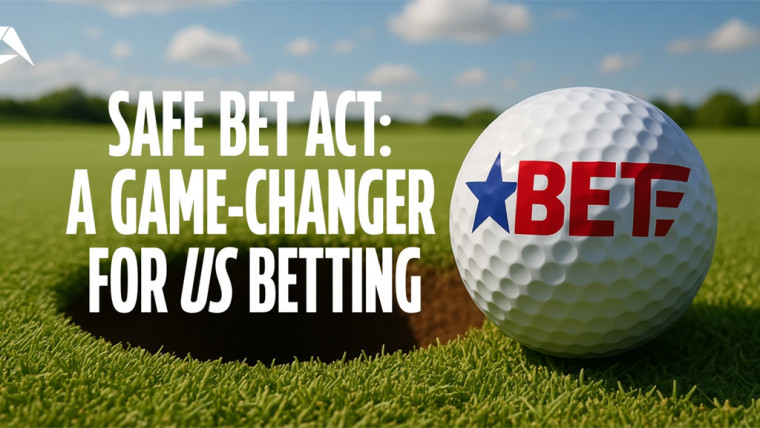
The SAFE Bet Act, introduced in March 2025 by Senator Richard Blumenthal and Representative Paul Tonko, is a federal proposal to regulate online sports betting across the United States. Until now, sports betting has largely been managed on a state-by-state basis, resulting in a patchwork of laws and varying consumer protections. The Act would require states to meet federal standards before offering sports betting, marking a potential turning point in how the industry operates.
One of the most notable features of the SAFE Bet Act is its approach to advertising. Under the proposal, sportsbooks would face strict ad restrictions, including blackout periods from 8 a.m. to 10 p.m. and prohibitions on promotions during live sporting events. Bonus offers, odds boosts, and risk-free wagers would be limited, shifting the focus toward responsible marketing and consumer protection.
The Act also addresses financial safeguards for players. It would limit users to five deposits per 24 hours, ban credit card funding, and require affordability checks for high-value bets. These measures aim to prevent excessive gambling and mirror financial oversight practices, introducing new compliance responsibilities for operators.
Artificial intelligence and product design are also targeted under the SAFE Bet Act. Personalized promotions based on AI tracking would be prohibited, and microbet products would be banned entirely. This could significantly impact the industry’s data-driven engagement strategies, forcing operators to rethink innovation and customer retention methods.
College and amateur sports betting would face nationwide restrictions, with proposition bets on student athletes banned except during global events like the Olympics. This uniform rule aims to protect amateur sports and remove profitable inconsistencies between state regulations.
What is the law about?
The Act proposes a national oversight system, including federal approval of state markets, a self-exclusion clearinghouse, surveys on betting behaviors, and a Surgeon General report on public health impacts. These measures are designed to enhance consumer protection while leveling the playing field against offshore operators.
While the SAFE Bet Act is still in the early legislative stages, its introduction signals a shift in the U.S. regulatory conversation. Even if it doesn’t pass in full, the bill could influence incremental reforms, such as advertising curbs, deposit limits, and AI restrictions, gradually shaping the future of online sports betting.
For operators, this is a clear early warning: the era of light-touch, state-specific oversight is ending. The coming years may bring stricter rules, higher compliance costs, and more scrutiny on marketing and product design. Operators who anticipate these changes will be better positioned to adapt and thrive in a rapidly evolving market.
Read full article here
Categoría:Sportsbook
Tags: Altenar,
País: Isle of Man
Región: EMEA





Event



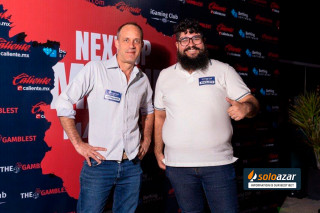



iGaming Club Conference Cancun
24 de November 2025
Levon Nikoghosyan Confirms iGaming Cancun’s Success and Future LATAM Expansion
(Cancun, SoloAzar Exclusive).- The vibrant energy of iGaming Cancun has set the tone for a new chapter in the Latin American iGaming industry. Levon Nikoghosyan, CEO and Co-Founder of AffPapa and iGaming Club, shared his enthusiasm for the event’s debut in Mexico, highlighting its impact on the regional market and the company’s ambitious plans for the future.
Thursday 04 Dec 2025 / 12:00
iGaming Club Cancún 2025 Concludes Successfully with Strong Connections in Its First LatAm Edition
(Cancun, SoloAzar Exclusive).- iGaming Club Cancún 2025 came to a close last night with a comprehensive experience of conferences, networking, and the AffPapa iGaming Awards LATAM gala, consolidating itself as a unique space for operators, affiliates, and providers in the region.
Thursday 27 Nov 2025 / 12:00
iGaming Club Cancún 2025: Affiliates, Operators, and Innovation Take Center Stage on Final Day
(Cancun, SoloAzar Exclusive).- The second and final day of iGaming Club Cancún 2025 unfolds today, bringing together operators, affiliates, and select B2B providers in a unique networking and conference environment that highlights the evolving dynamics of the Latin American iGaming market.
Wednesday 26 Nov 2025 / 12:00
SUSCRIBIRSE
Para suscribirse a nuestro newsletter, complete sus datos
Reciba todo el contenido más reciente en su correo electrónico varias veces al mes.