It’s Not Just the Player Who’s Changed, The Industry Has Too
⏱ 3 min read
In this exclusive column for SoloAzar, Kate Chambers, Founder of The Gaming Boardroom, talks about the players' profile and how it has evolved so far. With more than 30 years of experience in the games of chance industry, she analyzes players trends and expectations. She says that the focus must shift from adapting to change to fostering meaningful relationships with players from the outset.
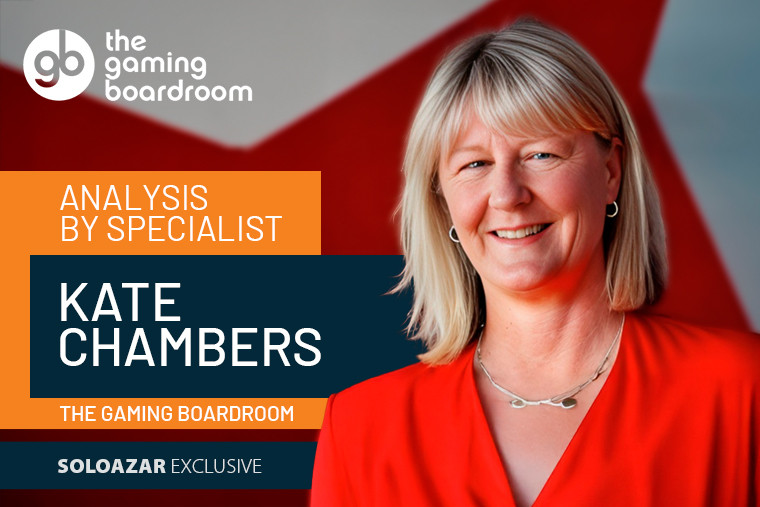
It’s become a familiar refrain: “The player is changing.” We hear it at conferences, in strategy decks, and from regulators, often followed by warnings that we need to adapt before we fall behind. But the truth is, we’re not just dealing with a new kind of player. We’re working in a new kind of industry. And if we’re serious about staying relevant, that’s where we need to start.
I’ve spent three decades working in this space, ten of those running one of the largest gambling exhibitions in the world. I’ve seen first-hand how operators, suppliers, and regulators adapt to player trends: chasing innovation, refining user journeys, talking about “engagement.” But I’ve also noticed how often we treat player change as something external, something that happens to us, rather than something we’re part of. That’s a problem.
Because player behaviour doesn’t shift in isolation. It shifts in response to how we operate. The platforms we build, the incentives we offer, and the narratives we reinforce shape expectations. They define trust. They influence the very nature of the relationship between player and provider.
And that relationship is under strain.
Today’s players, particularly younger ones, bring very different expectations around transparency, value, and experience. Many don’t even identify as “players” in the traditional sense. Their relationship with risk, reward, and community is being shaped by social platforms, digital finance tools, and experiences far outside the gambling sector. If the industry continues to frame its customers in old terms, we risk offering yesterday’s answers to tomorrow’s questions.
This isn’t a generational cliché about Gen Z. It’s a broader challenge about cultural fit. We’re in an era where consumers want to understand what’s behind a brand, how it behaves, how it treats people, and how it responds when things go wrong. Those expectations now apply just as much to a sportsbook as to a streaming service or fashion label.
And here’s where it gets complicated: the industry is changing too, but often in ways that don’t align with these new expectations.
We’ve seen a surge in corporate M&A, global expansion, regulatory tightening, and a rapid professionalisation of leadership across many organisations. In some markets, this has led to meaningful innovation and a stronger focus on responsible business. But in others, the pressure to scale fast has led to internal silos, decision-making by spreadsheet, and a noticeable drift away from the realities of customer experience.
One of the most consistent things I hear from senior leaders today is how hard it is to keep a genuine connection to the player while navigating compliance pressures, board demands, and global growth. It’s no longer enough to tweak the UX or launch a new bonus mechanic. We need to revisit how we think about value, service, and listening.
That’s one of the reasons I started The Gaming Boardroom. To create space for industry decision-makers to talk about these tensions, without posturing, without sales talk, and without pretending we all have the answers. Because in emerging markets like those across Latin America, we have a rare opportunity: to build better from the start.
Many Latin American jurisdictions are still shaping their regulatory frameworks and industry norms. There’s a chance here to avoid some of the mistakes we’ve made elsewhere, like building too much complexity into the player journey, or treating responsible gambling as a tick-box rather than a foundation. There’s also a chance to create products and services that reflect local cultures and values, rather than importing global templates that don’t quite fit.
But that requires asking different questions, not just “How are players changing?” but “What kind of relationship do we want to have with our players from the beginning?”
If we start there, we won’t just follow player trends, we’ll help shape them. And we’ll build an industry that isn’t just reactive, but resilient.
* Kate Chambers is Founder of The Gaming Boardroom (TGB), a platform designed for C-suite executives and senior leaders who need more than just news. She is also Managing Director of Fulwood Media. For more than 14 years she has been Executive Advisor of Clarion Gaming. Her role was leading 22 gaming brands that spanned six vital international markets.
Categoría:Analysis
Tags: Sin tags
País: United Kingdom
Región: EMEA




Event
iGaming tech leader Cristina Turbatu commends ICE Barcelona's vision for Hall 7
Tuesday 20 Oct 2026 / 12:00
CGA Showcases Canada’s Competitive Edge at ICE Barcelona
Tuesday 13 Oct 2026 / 12:00
ICE Barcelona Hosts WorldGaming-Backed Nineball Championship in 2027
Tuesday 06 Oct 2026 / 12:00
SUSCRIBIRSE
Para suscribirse a nuestro newsletter, complete sus datos
Reciba todo el contenido más reciente en su correo electrónico varias veces al mes.