Indy Gaming: Red Rock’s long-stalled tribal casino deal near Fresno moving forward
Monday 22 de January 2024 / 12:00
⏱ 4 min read
(Las Vegas).- Approval from Indian gaming regulators allows the central California project to start construction nearly two decades after the initial agreement was signed.
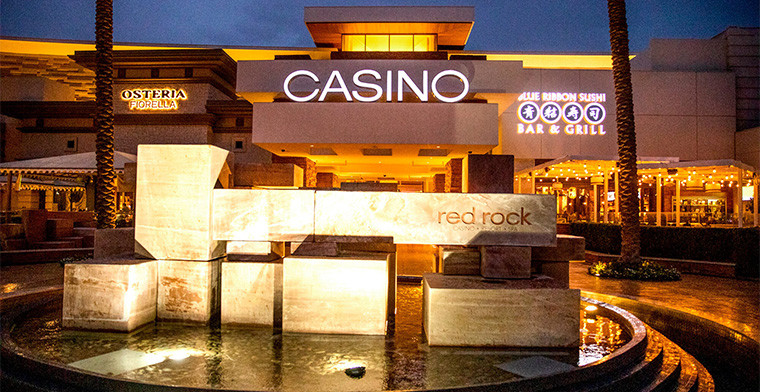
Red Rock Resorts found success in the last two decades operating casinos on behalf of California Indian tribes.
One gaming analyst believes the Las Vegas-based company will have similar results with its third tribal gaming venture, the North Fork Mono Casino & Resort, which has been stalled because of legal challenges for more than two decades.
Last week, the National Indian Gaming Commission approved a seven-year management agreement between Station Casinos — Red Rock’s operating arm — and the North Fork Rancheria of Mono Indians for a central California casino 30 miles north of Fresno. Construction is expected to begin later this year.
Within the area surrounding Fresno, there are five tribal casinos. California is considered the nation’s largest tribal gaming market, with a total revenue of $9 billion annually. There are 76 Indian casinos operated by 73 of the state's 109 tribes.
Jefferies gaming analyst David Katz told investors in a research note that the 100,000-square-foot development will cost between $300 million and $400 million and will have more than 2,000 slot machines, 40 tables and several dining outlets.
Based on information in a recent Red Rock Resorts filing with the Securities and Exchange Commission, Katz said Station Casinos will earn a 4 percent development fee and a 30 percent management fee based on the casino’s net income.
“These contracts have been a specific strategic differentiation for Red Rock and can be highly lucrative and accretive,” Katz wrote Sunday.
Station Casinos built and operated two California casinos: Thunder Valley Resort near Sacramento, which the United Auburn Indian Community owns, and Graton Resort Casino near Santa Rosa for the Federated Indians of Graton Rancheria.
Both casinos were turned over to the tribes when the company’s seven-year management agreements expired.
Station Casinos also built and operated the Gun Lake Casino near Grand Rapids, Michigan, before turning the property over in 2018 to the Match-E-Be-Nash-She-Wish Band of Pottawatomi Indians.
“Red Rock is no stranger to these projects, with significant success in recent endeavors,” CBRE Equity Research analyst John DeCree wrote in a research note Tuesday. During the company’s final full year operating the Graton property in 2020, Red Rock took in almost $82 million in management fees.
North Fork will be located on a 305-acre site off state Route 99 in Madera that the tribe deemed as a historical land connection in the early 2000s and began the process of taking the land into trust, which involves the transfer of a land title to the U.S. government to be held in trust for the benefit of a tribe, according to the Bureau of Indian Affairs.
Tribal leaders said in a statement the project earned local, state and federal support in the last decade based on the potential economic benefits it would have for the tribe and the surrounding community.
The Department of the Interior issued its support in 2011. Former California Gov. Jerry Brown negotiated a compact with the tribe in 2013. The Interior Department approved the land for a casino in 2016.
However, the site faced legal challenges from competing tribes and anti-gaming opponents over the ownership of the land and the legality of the tribe using the site for gaming. Given the size of the site, North Fork is expected to expand the property over time.
“No tribal gaming project in the history of our nation has received as much attention and scrutiny as North Fork,” former Tribal Chairperson Maryann McGovran said in a statement. “The delays have been dubious and cost our Tribe and community dearly.”
Red Rock Resorts has said little about the casino project over the last few years but is expected to provide additional information during the company’s fourth-quarter conference call on Feb. 7.
In November, Chief Financial Officer Stephen Cootey said the tribe had a single lawsuit pending in the California courts, but the company didn’t believe it would interfere with the gaming rights for the North Fork land and was continuing work on the design and lining up potential lending partners.
Illinois companies now control the bulk of Nevada’s slot route industry
Nevada’s two largest slot machine route operators sold their businesses to companies headquartered in Illinois.
The move showed the growing interest Illinois companies have in slot machine routes. The Midwest state has more than 47,000 slot machinelike video lottery terminals in 8,464 locations.
J&J Gaming and Accel control a majority of Nevada’s 19,280 slot machines that are operated in 2,043 locations. Both J&J and Accel have been seeking slot machine route expansion opportunities outside of Illinois.
Nevada does not provide a revenue breakdown from restricted gaming — bars, taverns, supermarkets, convenience stores and other businesses with 15 or fewer games — which is taxed through quarterly and annual fees per slot machine.
J&J closed its acquisition of Las Vegas-based Golden’s Nevada slot route business last week, paying a total of $251 million. In September, J&J paid $114 million for Golden’s Montana slot operations.
In 2022, Accel acquired Montana-based Century Gaming, Golden’s chief rival in both states, for $164 million.
J&J, which is majority-owned by Oaktree Capital Management, said the addition of Nevada gave the company slot machine route operations in five states. Route operators manage the slot machines through either a space lease or a revenue-sharing agreement. The companies also provide the technology and platforms for player loyalty programs.
Golden owns nine casinos in Nevada, including The STRAT Hotel, Casino & SkyPod. J&J will manage the gaming operations of the company’s more than 60 Nevada taverns, operated under the PT’s, Sierra Gold and other brands, under a five-year agreement.
By Howard Stutz
Categoría:Casino
Tags: Sin tags
País: United States
Región: North America




Event


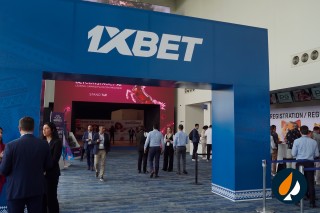

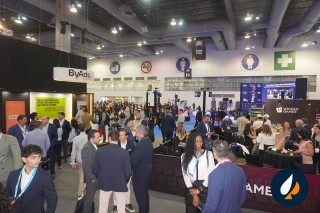
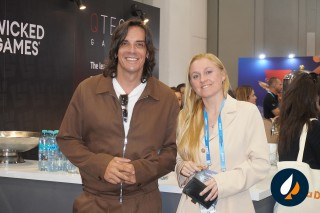
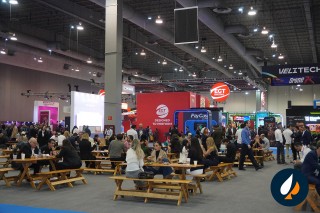
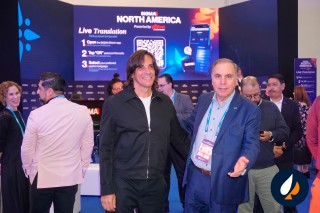
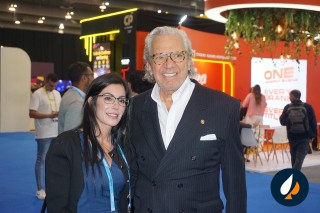
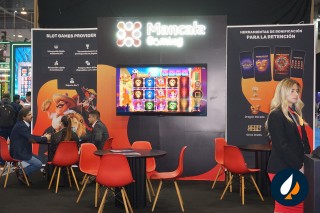
SiGMA North America 2026
01 de September 2026
LatAm Regulators Discussed Illegal Gambling and Innovation at SiGMA North America
(Mexico City, SoloAzar Exclusive).- The panel "The Red Pen Forum: Regulators Respond to the Industry," held during SiGMA North America 2026, brought together representatives from Uruguay, Argentina, Puerto Rico, and Honduras to analyze regulatory challenges, digital transformation, illegal gambling, and the need to adapt lotteries for new generations. The conference was moderated by Rodrigo Cigliutti, Executive Director of CIBELAE (Ibero-American Corporation of State Lotteries and Betting), and featured the participation of Marcelo Visconti, National Director of Lotteries and Quinielas of Uruguay; Carlos Moyano, President of IAFAS Entre Ríos, Argentina; Heidi Hernández Olivo, Deputy Secretary of the Puerto Rico Lottery; and Lissa Mencía, General Director of Lottery Operations and Games at Loto Honduras.
Monday 28 Sep 2026 / 12:00
SiGMA North America Addressed Crisis Management in iGaming
(Mexico, SoloAzar Exclusive).- During SiGMA North America 2026, Rosa Ochoa, founder of the Blue Global Gaming platform and strategic advisor for gaming operators; Iliana María Pineda Echeverri, Chief Legal & Compliance Officer at Wplay.co; Iraid Rosales, Country Manager Mexico at Amusnet; and Elizabeth Maya Cano, Executive President of CORNAZAR, analyzed the key factors in managing crisis situations within the iGaming industry, with a special focus on transparency, communication, technology, and preparation.
Friday 25 Sep 2026 / 12:00
Affiliates and Acquisition: Keys to Regulated Markets in North America
(Mexico City, SoloAzar Exclusive).- During SiGMA North America 2026, Cristopher Guzmán Reyes, Head of Affiliates at Logrand Entertainment Group; Guga Júnior, influencer and slots expert at Scalar Partners; Andrés Gómez, Head of Latin America Go-to-Market Strategy at Admattic; Yambot Aguilera, Gaming and Finance Sales Director at Google; and Paula Gabriel Jiménez, Advertising Client Growth Director for Microsoft at Aleph, analyzed the state and provincial affiliate ecosystem in North America, as well as the acquisition challenges in regulated markets.
Thursday 24 Sep 2026 / 12:00
SUSCRIBIRSE
Para suscribirse a nuestro newsletter, complete sus datos
Reciba todo el contenido más reciente en su correo electrónico varias veces al mes.