Native American tribes move to make real estate a force for renewal
Wednesday 07 de July 2021 / 08:12
⏱ 3 min read
(Las Vegas).- Native Americans have been systematically dispossessed of their ancestral lands for more than a century, thanks to federal land-management policies. But a spate of new real estate projects highlights efforts to reclaim that territory, as tribes invest in land development in an effort to diversify their revenue base and support their members.
In Canada, for example, the Squamish Nation is behind the largest Indigenous development in North America, a mixed-use neighborhood near downtown Vancouver, B.C., that is projected to cost $2.67 billion Canadian dollars. In March, the Navajo Nation bought an office building in Washington, making it one of the few tribes to own property in the nation’s capital.
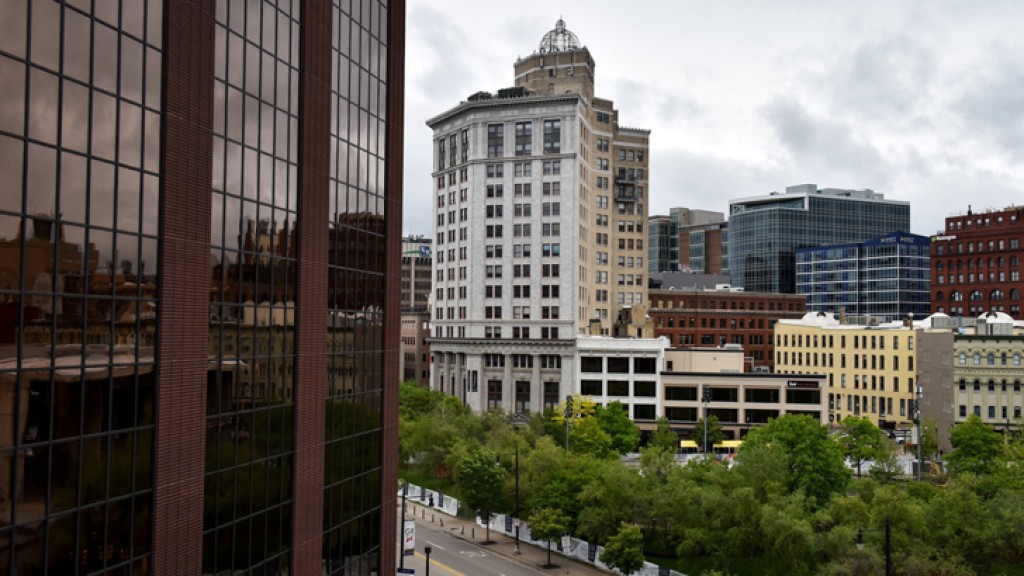
And in Michigan, the investment arms of two tribes, the Gun Lake and the Nottawaseppi Huron Band of the Potawatomi, recently bought McKay Tower, a commercial and residential property in downtown Grand Rapids on ancestral lands.
“McKay Tower is a focal point of the skyline in Grand Rapids,” said Kurtis Trevan, chief executive of Gun Lake Investments, the business arm of the Gun Lake tribe. “It was our way to help plant a flag on lands that used to be tribally owned.”
There is no readily available data documenting how many of the 574 federally recognized tribes in the United States have invested in commercial property other than casinos, which in 2019 brought in $34.6 billion, according to the National Indian Gaming Commission. Anecdotally, only a comparatively small number have pursued other real estate developments or investments, experts in tribal economic development said.
In 1988 the Indian Gaming Act established a regulatory framework for gambling on tribal lands, and opened up new opportunities. In recent years, a variety of circumstances have aligned to open even more doors — on and off the reservation.
“Gaming has provided a lot of meaningful revenue for almost 35 years now, and that has enabled many tribal members to pursue professional degrees and careers,” said Frances R. Sjoberg, a lawyer who focuses on economic development for Native Americans. “Now those members are in leadership roles, shaping the next generation of economic development and land development.”
Other factors driving the shift include a more favorable political climate and tribes’ growing urgency to leverage the wealth and clout of property ownership to help solve social and economic problems facing their communities.
For example, more than 30 percent of Navajo Nation members do not have running water or electricity, and 70 percent do not have broadband access, said Santee Lewis, executive director of the tribe’s Washington office. It is housed in a $4.9 million, two-story building the tribe acquired to help it advocate more effectively on behalf of its members.
“This acquisition represents our independence,” she said. “We are a tribal nation willing to work with U.S. government.”
The property has enough space to host dignitaries and a carriage house that will generate revenue for the tribe, Ms. Lewis said.
A similar sensibility drives the Squamish Nation development in Vancouver, where decades of court battles have led the Canadian government to give or sell back land formerly held by Native tribes, known as First Nations in Canada.
Set for groundbreaking this year, the four-million-square-foot village called Senakw will be constructed “on land that was illegally confiscated from my ancestors,” said Khelsilem, a spokesman and councilor for the Squamish, which in 2003 reacquired 10.48 acres of its ancestral lands in the area.
By Linda Baker
Categoría:Casino
Tags: Sin tags
País: United States




Event
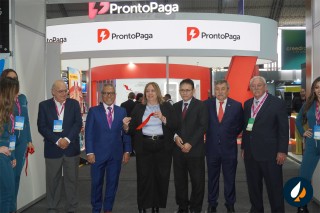
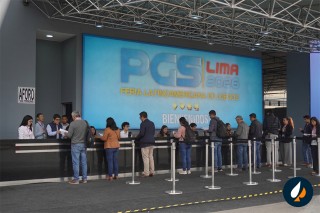
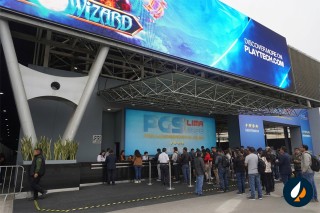
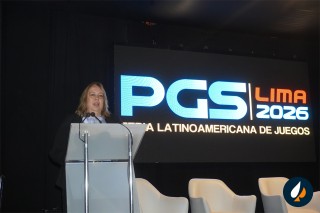
PERU GAMING SHOW – PGS 2026
17 de June 2026
ProntoPaga Consolidates Its Position at Peru Gaming Show 2026
(Lima, SoloAzar Exclusive).- Juan Carlos Loza, Head of Sales Latam at ProntoPaga, spoke exclusively after the company's participation in Peru Gaming Show 2026, highlighting the agreements reached, the interest in their payment solutions, and the expansion plans that will drive their growth across Latin America.
Monday 03 Aug 2026 / 12:00
Enhancing Responsible Gaming Through Effective Training at PGS 2026
(Lima, SoloAzar Exclusive) – Training, prevention, and technology took center stage at the "Value of Responsible Gaming in Gambling Operations" conference during the 2026 Perú Gaming Show (PGS). Presented by Fernando Calderón Castro, President of the National Gaming Society (SONAJA), the session brought industry leaders together to tackle current challenges and explore strategies for safer, more transparent, and sustainable operations.
Wednesday 22 Jul 2026 / 12:00
LSports at the Peru Gaming Show: Building Presence, Opening Doors
(Lima, SoloAzar Exclusive).- The Peru Gaming Show was never just about the booth. For LSports, it was about showing up in a market where showing up still matters — and leaving with more than a contact list. Federico Brancato, Sales Manager for the LATAM Region, came to Lima with a clear sense of what operators in this part of Latin America need most right now. What he found confirmed it.
Friday 17 Jul 2026 / 12:00
SUSCRIBIRSE
Para suscribirse a nuestro newsletter, complete sus datos
Reciba todo el contenido más reciente en su correo electrónico varias veces al mes.