Indian Gaming Association demands protections in the CLARITY Act
Tuesday 15 de September 2026 / 12:00
⏱ 3 min read
(Washington).- The Indian Gaming Association (IGA) is urging the U.S. Senate to reject the CLARITY Act, citing a critical lack of explicit safeguards for Tribal sovereignty and gaming authority. The IGA warns that without these protections, the bill could inadvertently allow unregulated sports betting and casino games through cryptocurrency prediction markets, bypassing established Tribal and state laws.
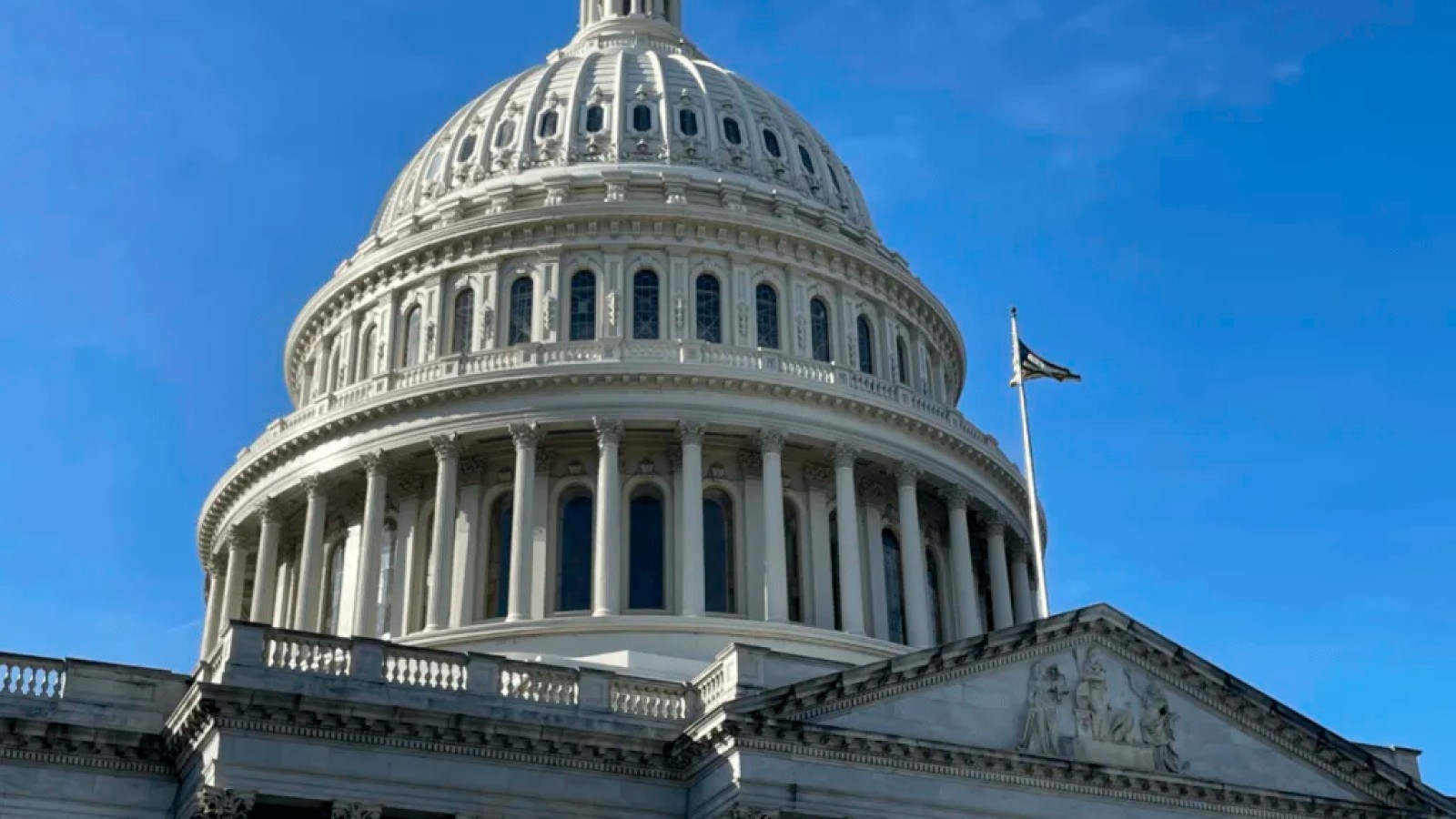
The Fight for Tribal Sovereignty in Digital Asset Regulation
The Indian Gaming Association is calling on the U.S. Senate to reject the Digital Asset Market Clarity Act, known as the CLARITY Act, unless Congress adds explicit protections for Tribal sovereignty, the Indian Gaming Regulatory Act and Tribal and state authority over gaming.
For months, the Indian Gaming Association and its partner organizations have met with members of the Senate urging Congress to amend the legislation to prohibit sports betting and casino-style gambling through prediction markets and affirm that nothing in the bill preempts Tribal, state or federal gaming laws, including the Indian Gaming Regulatory Act.
The CLARITY Act is intended to establish a regulatory framework for the cryptocurrency industry and clarify the jurisdiction of the Securities and Exchange Commission and the Commodity Futures Trading Commission.
The Indian Gaming Association has repeatedly warned that, without clear gaming protections, the legislation could allow prediction-market operators to expand sports and casino-style gambling under federal commodities law while bypassing Tribal and state gaming laws.
Revised Legislation Fails to Address Core Concerns
Sen. Cynthia Lummis (R-Wyo.) recently released updated legislative language following concerns raised by several industries and organizations, including the gaming industry, credit unions and decentralized finance interests.
While the revisions acknowledge some of the concerns raised by the gaming industry, the Indian Gaming Association maintains that the legislation still fails to adequately protect Tribal sovereignty and Tribal government gaming.
Indian Gaming Association Chairman David Z. Bean said Indian Country's position remains clear.
"We want to make it absolutely clear that Indian Country is opposed to this version of the CLARITY Act," Chairman Bean said. "While we appreciate that Senator Lummis has acknowledged the legitimate concerns raised by Tribal Nations, the proposed changes do not address the fundamental concerns of Indian Country."
The Threat of Unregulated Prediction Markets
Bean said the revised legislation fails to address what the Association considers the central threat posed by prediction markets offering sports betting and casino-style gambling outside established Tribal and state regulatory systems.
"The bill does nothing to rein in the CFTC at a time when prediction market platforms are already offering gambling products that threaten Tribal and state gaming laws," Bean said. "Instead, the CLARITY Act would expand CFTC authority without providing the clear protections Congress must put in place for Tribal sovereignty, state sovereignty, and the Indian Gaming Regulatory Act."
A Call for Explicit Legislative Protections
The Indian Gaming Association has urged Congress to include language expressly stating that federal commodities law does not preempt Tribal or state gaming laws or IGRA. The Association also wants the bill to prohibit designated contract markets from listing event contracts involving sports betting or casino games.
Without those protections, Bean said the legislation represents a serious long-term threat to Indian Country.
"Until Congress expressly provides that Tribal and state gaming laws and the Indian Gaming Regulatory Act are not preempted, and that federally regulated prediction markets cannot offer sports betting or casino games, Indian Country will continue to oppose the CLARITY Act," Bean said. "Its enactment without these protections would represent one of the greatest threats to Tribal sovereignty in a generation."
The Association is calling on its member Tribes and Tribal leaders across the country to contact their U.S. senators and urge them to vote no on cloture and oppose passage of the CLARITY Act in its current form.
Categoría:Legislation
Tags: Sin tags
País: United States
Región: North America




Event










SiGMA North America 2026
01 de September 2026
Gaming Platforms.Net presents innovative licensing model at SiGMA North America
(Mexico City, SoloAzar Exclusive).- Rob Altamirano, CEO and Co-founder of Gaming Platforms.Net, reviews the company's achievements at SiGMA North America. During the event, the company forged key alliances and presented its innovative solutions to grant total technological autonomy to operators in the region.
Monday 14 Sep 2026 / 12:00
Evert Montero Analyzed Colombia's Gaming Regulation at SiGMA
(Mexico City) — Speaking at SiGMA North America 2026, FECOLJUEGOS President Evert Montero Cárdenas offered a deep dive into the regulatory shifts shaping the Latin American and North American markets. He highlighted the sustainability challenges ahead for Colombia's industry and the ongoing impact of technological innovation. A major highlight of the September 1-3 summit at Mexico City’s Centro Banamex was Montero's induction into the Hall of Game 2026.
Friday 11 Sep 2026 / 12:00
Sportradar highlights LATAM growth at SiGMA North America
(Mexico City, SoloAzar Exclusive).- Rodrigo Cambiaghi, Sales Executive Lead, Digital Advertising at Sportradar, highlighted the strategic importance of Mexico and the broader Latin American market during SiGMA North America 2026. Held from September 1–3 at Centro Banamex in Mexico City, the event brought together nearly 2,250 delegates and focused on artificial intelligence, innovation, public-private collaboration and the adaptation of global strategies to local market dynamics.
Friday 11 Sep 2026 / 12:00
SUSCRIBIRSE
Para suscribirse a nuestro newsletter, complete sus datos
Reciba todo el contenido más reciente en su correo electrónico varias veces al mes.