Maine iGaming Bill Nears Decision as Gambling Control Board Urges Governor Veto
Wednesday 07 de January 2026 / 12:00
⏱ 3 min read
(Maine).- Maine’s proposal to legalize online casino gaming is entering a decisive phase, with Governor Janet Mills facing a narrow window to act on legislation that has sparked strong opposition from the state’s Gambling Control Board and renewed debate over market structure, jobs and consumer protection.
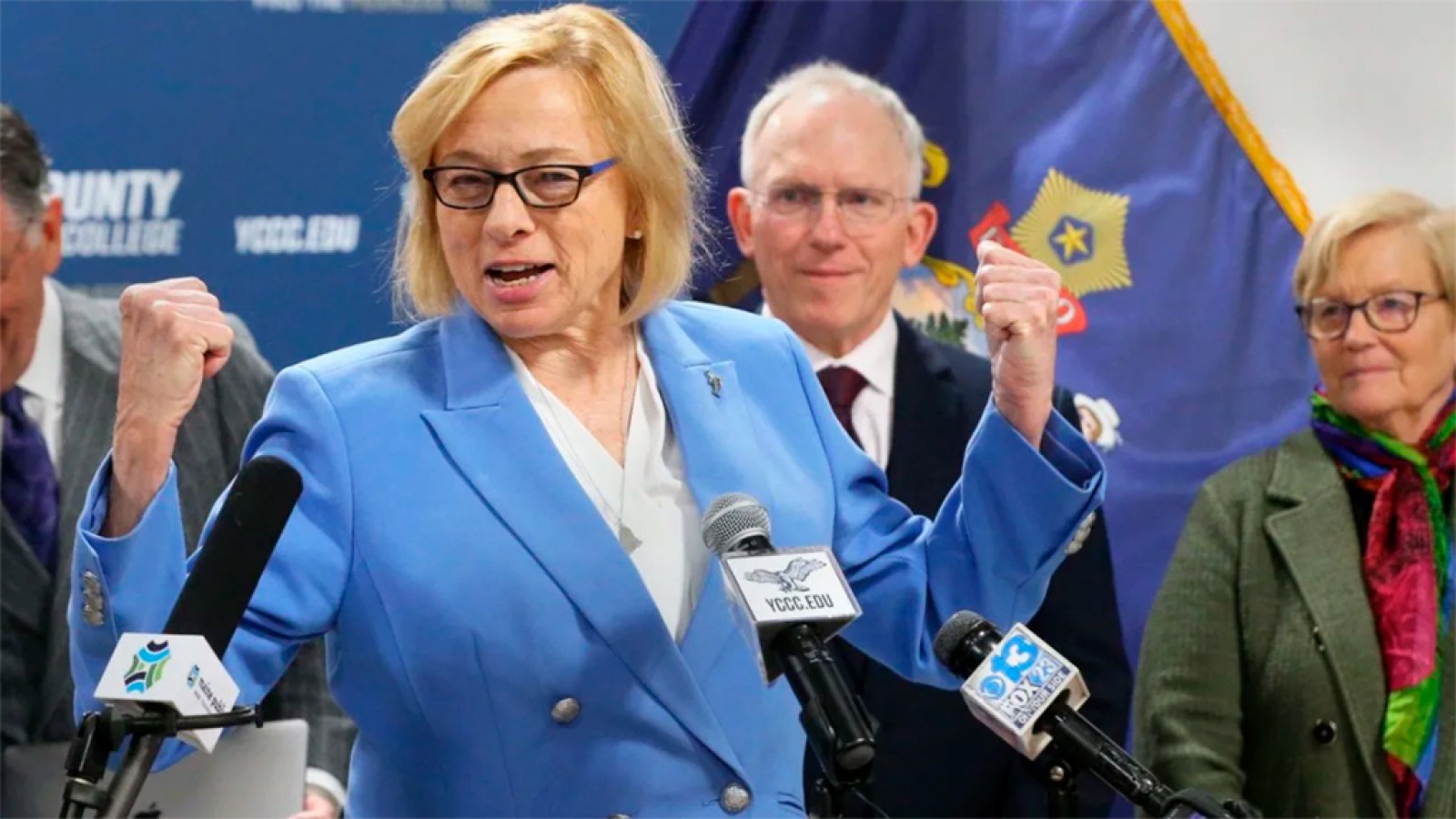
The future of online casino gaming in Maine could be settled within days, as Governor Janet Mills approaches the deadline to sign, veto or allow LD 1164 to become law without her signature. The bill, which would grant Maine’s four Wabanaki Nations exclusive rights to operate regulated iGaming platforms, has drawn a firm veto recommendation from the Maine Gambling Control Board.
In a unanimous 5–0 vote reflected in a letter sent to the governor on December 17, the Board warned that the bill’s framework could create unintended economic and regulatory consequences. Lawmakers are scheduled to reconvene this Wednesday, triggering a three-day decision window for the governor under state law.
Monopoly Concerns and Regulatory Structure
At the heart of the Board’s opposition is what it describes as an unbalanced market model. LD 1164 would exclude Maine’s two commercial casinos—Oxford Casino Hotel and Hollywood Casino Hotel & Raceway—from participating in iGaming, while placing online casino oversight under the director of the Gambling Control Unit rather than the full Board.
“Cutting out Oxford and Hollywood Casinos entirely from offering iGaming is ill-advised and creates a monopoly that is harmful to consumers and Maine workers,” the Board wrote. Chairman Steve Silver questioned the logic of separating online slots and table games from the regulatory framework that already governs land-based casino gaming. “Why would slots and table games on the internet be different?” he asked.
The Board also raised alarms over potential job losses. According to information provided to regulators, Oxford Casino estimates that roughly 120 positions could be eliminated if iGaming launches under the proposed structure, with Hollywood Casino also anticipating significant workforce reductions.
“We cannot afford to put 100 to 200 Mainers out of work,” the Board stated, framing employment impacts as a central concern.
Revenue Risks and Social Impact
Beyond employment, regulators warned of broader fiscal consequences. Citing a February 2025 report from the Innovation Group, the Board noted that brick-and-mortar casino revenue has underperformed by an average of 16.5% following the introduction of iGaming in other jurisdictions.
Such a decline, the Board argued, would affect 19 recipients of Maine’s casino tax revenue, including K–12 education, University of Maine scholarships, agricultural fairs, harness racing purses, and tribal beneficiaries. The projected impact on K–12 funding alone could exceed US$3.6 million annually.
“What’s the plan to backfill those losses? There is none,” Silver said, calling the bill’s structure fundamentally flawed.
Problem gambling was another key issue highlighted. Self-exclusions in Maine have surged 275% over the past three years, and the Board pointed to data from other states showing sharp increases in gambling addiction hotline calls after iGaming launches, including spikes reported in Michigan and Pennsylvania. The letter also referenced research suggesting online casino gambling is significantly more addictive than other forms of wagering.
What LD 1164 Proposes
Under LD 1164, the Penobscot Nation, Passamaquoddy Tribe, Aroostook Band of Micmacs and Houlton Band of Maliseet Indians would each be allowed to operate one online casino platform through a single licensed partner. Licenses would cost US$50,000 per year, with a 16% tax on adjusted gross revenue earmarked for addiction services, housing initiatives, veterans’ programs and other state priorities.
The bill passed the Maine House by an 87–60 margin and narrowly cleared the Senate 18–17 after multiple attempts to block it. Those slim margins make a legislative override of a gubernatorial veto unlikely, as a two-thirds majority would be required in both chambers.
As the deadline approaches, Governor Mills’ decision will not only determine whether Maine joins the growing list of US states with legalized iGaming, but also set the tone for how tribal exclusivity, market competition and social safeguards are balanced in the state’s gaming policy.
Categoría:Legislation
Tags: Sin tags
País: United States
Región: North America




Event
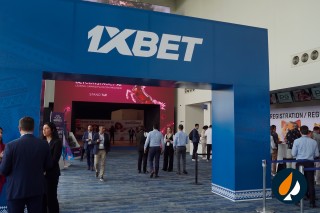

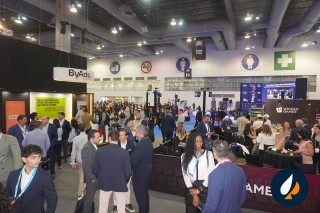




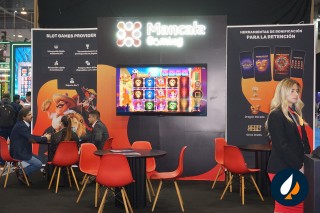
SiGMA North America 2026
01 de September 2026
LatAm Regulators Discussed Illegal Gambling and Innovation at SiGMA North America
(Mexico City, SoloAzar Exclusive).- The panel "The Red Pen Forum: Regulators Respond to the Industry," held during SiGMA North America 2026, brought together representatives from Uruguay, Argentina, Puerto Rico, and Honduras to analyze regulatory challenges, digital transformation, illegal gambling, and the need to adapt lotteries for new generations. The conference was moderated by Rodrigo Cigliutti, Executive Director of CIBELAE (Ibero-American Corporation of State Lotteries and Betting), and featured the participation of Marcelo Visconti, National Director of Lotteries and Quinielas of Uruguay; Carlos Moyano, President of IAFAS Entre Ríos, Argentina; Heidi Hernández Olivo, Deputy Secretary of the Puerto Rico Lottery; and Lissa Mencía, General Director of Lottery Operations and Games at Loto Honduras.
Monday 28 Sep 2026 / 12:00
SiGMA North America Addressed Crisis Management in iGaming
(Mexico, SoloAzar Exclusive).- During SiGMA North America 2026, Rosa Ochoa, founder of the Blue Global Gaming platform and strategic advisor for gaming operators; Iliana María Pineda Echeverri, Chief Legal & Compliance Officer at Wplay.co; Iraid Rosales, Country Manager Mexico at Amusnet; and Elizabeth Maya Cano, Executive President of CORNAZAR, analyzed the key factors in managing crisis situations within the iGaming industry, with a special focus on transparency, communication, technology, and preparation.
Friday 25 Sep 2026 / 12:00
Affiliates and Acquisition: Keys to Regulated Markets in North America
(Mexico City, SoloAzar Exclusive).- During SiGMA North America 2026, Cristopher Guzmán Reyes, Head of Affiliates at Logrand Entertainment Group; Guga Júnior, influencer and slots expert at Scalar Partners; Andrés Gómez, Head of Latin America Go-to-Market Strategy at Admattic; Yambot Aguilera, Gaming and Finance Sales Director at Google; and Paula Gabriel Jiménez, Advertising Client Growth Director for Microsoft at Aleph, analyzed the state and provincial affiliate ecosystem in North America, as well as the acquisition challenges in regulated markets.
Thursday 24 Sep 2026 / 12:00
SUSCRIBIRSE
Para suscribirse a nuestro newsletter, complete sus datos
Reciba todo el contenido más reciente en su correo electrónico varias veces al mes.