North Carolina Sets US Precedent with New 6% Prediction Market Tax
Wednesday 02 de September 2026 / 12:00
⏱ 3 min read
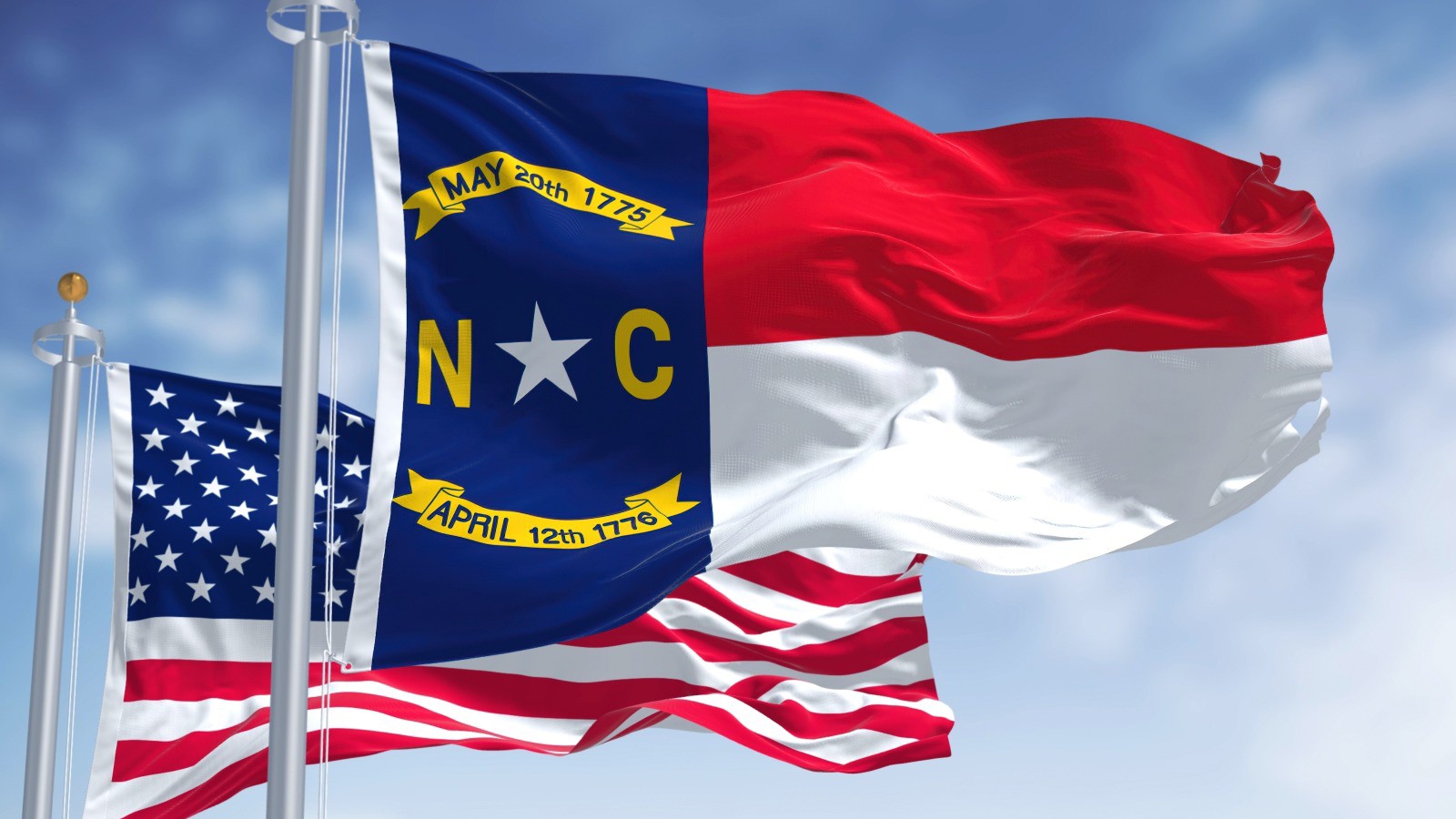
(North Carolina).- The state has enacted a groundbreaking 6% tax on prediction markets, marking a first in the US. However, the legislation comes with a long runway: the tax won't take effect until 2027, first payments aren't due until 2028, and the law notably lacks requirements for state regulatory oversight.
Devil Is In The Details Of New North Carolina Prediction Tax
First prediction market tax payments not due until January 2028
North Carolina’s latest budget bill went into effect July 1, but the new tax on prediction markets won’t go into force until Jan. 1, 2027 — and the first payments won’t be due from operators until Jan. 31, 2028.
In addition, unlike traditional sportsbooks, prediction markets will only pay taxes for trades made from accounts registered with a North Carolina address. Traditional sportsbooks pay taxes on any bet made in the state, whether by a resident or visitor.
The 6% prediction tax — the first of its kind in the U.S. — made its way into the 630-plus page budget bill (Section 44.9) on the final days of the legislative session in early July. The language requires prediction markets to pay the state a tax, but it does not require the platforms to seek licenses, adhere to state regulation, or register with the state.
Operators, including pure prediction markets like Kalshi or Polymarket US and sports betting native companies offering sports event contracts via prediction platforms like DraftKings or FanDuel, will be beholden to the tax, but seemingly with no state oversight. It’s not clear what division or department prediction markets will pay the taxes to — North Carolina’s Department of Revenue did not respond to inquiries from InGame, and several operators said they had not yet received guidance from the state.
Per the text of the bill, prediction market revenue is defined as:
a. Trading, or taker, fees.
b. Fees charged to liquidity providers placing resting orders.
c. Commissions charged to any futures commission merchants, introducing brokers, or other affiliated, authorized, or licensed market participants, clearinghouses or clearing organizations, intermediaries, service providers, and market infrastructure participants.
Net trading revenue, which is what the tax would be applied to, is revenue less:
a. Broker or market maker compensation.
b. Promotional incentives, funds, or rebates.
c. Platform fees or clearing fees charged by a derivatives clearing organization.
d. Withdrawal fees.
Predictions have a long tax runway
In the budget bill, lawmakers also increased the traditional sports wagering tax from 18% to 23%, and that change went into effect last month. Traditional sportsbooks are required to pay taxes monthly. The new law gives prediction markets a six-month tax pass as compared to sportsbooks and allows them to keep their revenue for more than a year, whereas sportsbooks must submit tax payments on a specific day each month.
Prediction markets are licensed and regulated by the federal Commodity Futures Trading Commission (CFTC) while traditional sportsbooks are licensed and regulated by individual states. CFTC regulations differ from state regulations, and a key difference is that prediction markets can self-certify any market while traditional sportsbooks must get approval from the regulator to offer a market.
As an example, the Massachusetts Gaming Commission earlier this month added certain table tennis markets to its bet menu after suspending betting on them in February. The commission’s Sports Wagering Division completed a deep dive into the sports governing body in question, including looking at intergrity protocols. In addition, state regulators across the nation and in Ontario regularly have issued fines to sportsbooks that offer illegal markets or otherwise violate the rules.
CFTC isn’t in business of fining registrants
Since sports event contracts first went live early in 2025, the CFTC has not issued a fine to a registrant for offering a bad market. Just last week, Polymarket US self-certified contracts on whether NFL players dealing with injuries will participate in Week 1 games. Kalshi began offering the contracts earlier in August.
The CFTC in March put out an “advisory” to operators saying markets “that resolve or settle based on injuries to individual sports participants” may “create a heightened potential for manipulation or price distortion.” Despite that, Kalshi is offering the markets and Polymarket self-certified them. To date, the CFTC has not taken action against the companies, though it has fined individuals, including White House teleprompter operator Gabriel Perez, for insider trading.
Kalshi last week fined and suspended a North Carolina congressional candidate for betting on herself.
Categoría:Legislation
Tags: Sin tags
País: United States
Región: North America




Event










SBC Summit 2026
29 de September 2026
The Future of Sports Engagement Beyond the Court
Friday 16 Oct 2026 / 12:00
Ninja Gaming Focuses on Innovation and Global Growth After SBC Summit
Friday 16 Oct 2026 / 12:00
SBC Summit 2026 Wraps Up Record-Breaking Lisbon Edition
Thursday 15 Oct 2026 / 12:00
SUSCRIBIRSE
Para suscribirse a nuestro newsletter, complete sus datos
Reciba todo el contenido más reciente en su correo electrónico varias veces al mes.