Ohio Governor Mike DeWine Calls Sports Betting Law His Biggest Mistake, Reigniting Debate on Regulation and Integrity
Wednesday 04 de February 2026 / 12:00
⏱ 3 min read
(Columbus).- Ohio Governor Mike DeWine has openly described the legalization of sports betting in the state as the biggest mistake of his seven-year tenure, a reflection that is reshaping discussions around consumer protection, advertising limits, and the long-term sustainability of regulated gambling markets in the United States.
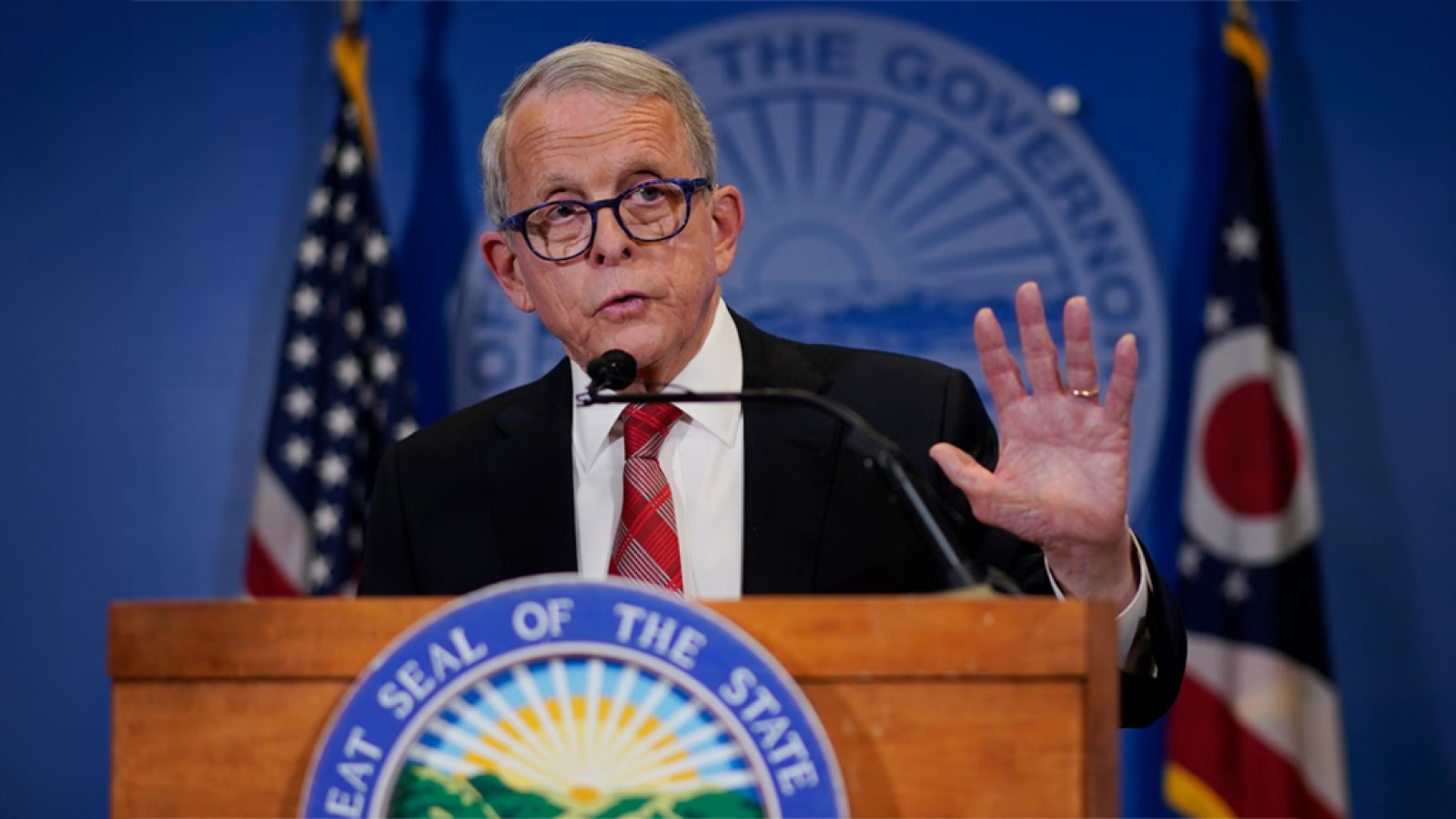
Speaking during a meeting with the editorial board of cleveland.com | The Plain Dealer, DeWine said: “People have asked me, ‘What mistakes did you make?’ And I’ll lead with signing a bill for sports gaming.”
“It’s a huge problem among young males up to 45. It’s a huge problem,” he added. “And we have many of them addicted, many of them spending money that they do not have.”
Rapid Market Growth Brings New Challenges
Ohio legalized sports betting through legislation signed by DeWine in December 2021, with the market officially launching in January 2023. Since then, the state has experienced significant wagering growth, driven in part by aggressive marketing campaigns from licensed operators. Ohioans wagered approximately $7.7 billion on sports in 2023, followed by nearly $8.9 billion in 2024.
While these figures highlight the strong demand for regulated sports wagering, DeWine acknowledged that the scale and intensity of advertising exceeded his expectations at the time of signing the bill.
“Frankly, when I signed the bill – I should’ve have, my fault, I take the blame – I didn’t count on the massive amount of advertising that these companies would do, first to get people to sign up for their app and to continue on,” he said.
“They now have it here,” the governor added, holding up his cell phone. “They got it right here. They don’t have to go to a casino. They don’t have to go anyplace – they got it right here.”
Emphasis on Responsible Gambling and Player Protection
Despite the popularity of sports betting, DeWine noted that Ohio has invested several million dollars in programs aimed at assisting residents facing gambling-related harm. The governor framed these efforts as essential components of a mature regulatory framework that prioritizes consumer welfare alongside market growth.
Concerns, however, have extended beyond bettors to the athletes themselves. DeWine referenced incidents in which University of Dayton players received threats from gamblers, as well as high-profile investigations involving professional athletes across Major League Baseball and the NBA.
These developments have intensified calls for stronger safeguards to protect the integrity of sports competitions.
Integrity Measures and Industry Compromises
Following reports involving Cleveland Guardians pitchers, DeWine initially supported a statewide ban on proposition, or “prop,” bets. However, after discussions with Major League Baseball Commissioner Rob Manfred, he backed a national, league-led approach.
The resulting compromise includes restrictions on betting on individual pitches and a $200 cap on certain “microprop” wagers. While acknowledging that the outcome was not ideal from his perspective, DeWine recognized its value.
“That’s not exactly where I wanted to end up,” he said. “But that’s not a bad compromise, because I think where you see most of the problem, the bets are more than $200.”
DeWine has since urged other major sports leagues, including the NFL, to adopt similar measures.
“The other leagues, I think, need to get with it. This is a ticking time bomb for these leagues,” he warned.
“There’s a reason that the most watched things on TV every year are sporting events. The reason they are is we don’t know the outcome, and we think it’s legitimate. … If you start attacking that integrity and people thinking, ‘Maybe that pitch in the third inning was thrown because there was somebody who had a bet on it,’ the whole integrity of the sport goes away.”
Ongoing Debate Ahead of Political Transition
Even if additional leagues implement tighter controls, DeWine said he would still support legislation to ban prop bets in Ohio.
“Any control that we can get over this, anything we can do, we should be doing,” he said.
For now, Ohio lawmakers have shown little appetite for passing new sports betting restrictions before DeWine leaves office early next year. Broader discussions around expanding online gambling options were also considered in 2024 but ultimately set aside, with legislators opting to fund income tax reductions through spending cuts and tax exemption changes instead.
DeWine’s remarks have reignited a nationwide conversation within the gaming industry, highlighting the ongoing balance between market growth, innovation, consumer protection, and the preservation of sporting integrity in an increasingly digital betting environment.
Categoría:Legislation
Tags: Sin tags
País: United States
Región: North America




Event









SiGMA North America 2026
01 de September 2026
LatAm Regulators Discussed Illegal Gambling and Innovation at SiGMA North America
(Mexico City, SoloAzar Exclusive).- The panel "The Red Pen Forum: Regulators Respond to the Industry," held during SiGMA North America 2026, brought together representatives from Uruguay, Argentina, Puerto Rico, and Honduras to analyze regulatory challenges, digital transformation, illegal gambling, and the need to adapt lotteries for new generations. The conference was moderated by Rodrigo Cigliutti, Executive Director of CIBELAE (Ibero-American Corporation of State Lotteries and Betting), and featured the participation of Marcelo Visconti, National Director of Lotteries and Quinielas of Uruguay; Carlos Moyano, President of IAFAS Entre Ríos, Argentina; Heidi Hernández Olivo, Deputy Secretary of the Puerto Rico Lottery; and Lissa Mencía, General Director of Lottery Operations and Games at Loto Honduras.
Monday 28 Sep 2026 / 12:00
SiGMA North America Addressed Crisis Management in iGaming
(Mexico, SoloAzar Exclusive).- During SiGMA North America 2026, Rosa Ochoa, founder of the Blue Global Gaming platform and strategic advisor for gaming operators; Iliana María Pineda Echeverri, Chief Legal & Compliance Officer at Wplay.co; Iraid Rosales, Country Manager Mexico at Amusnet; and Elizabeth Maya Cano, Executive President of CORNAZAR, analyzed the key factors in managing crisis situations within the iGaming industry, with a special focus on transparency, communication, technology, and preparation.
Friday 25 Sep 2026 / 12:00
Affiliates and Acquisition: Keys to Regulated Markets in North America
(Mexico City, SoloAzar Exclusive).- During SiGMA North America 2026, Cristopher Guzmán Reyes, Head of Affiliates at Logrand Entertainment Group; Guga Júnior, influencer and slots expert at Scalar Partners; Andrés Gómez, Head of Latin America Go-to-Market Strategy at Admattic; Yambot Aguilera, Gaming and Finance Sales Director at Google; and Paula Gabriel Jiménez, Advertising Client Growth Director for Microsoft at Aleph, analyzed the state and provincial affiliate ecosystem in North America, as well as the acquisition challenges in regulated markets.
Thursday 24 Sep 2026 / 12:00
SUSCRIBIRSE
Para suscribirse a nuestro newsletter, complete sus datos
Reciba todo el contenido más reciente en su correo electrónico varias veces al mes.