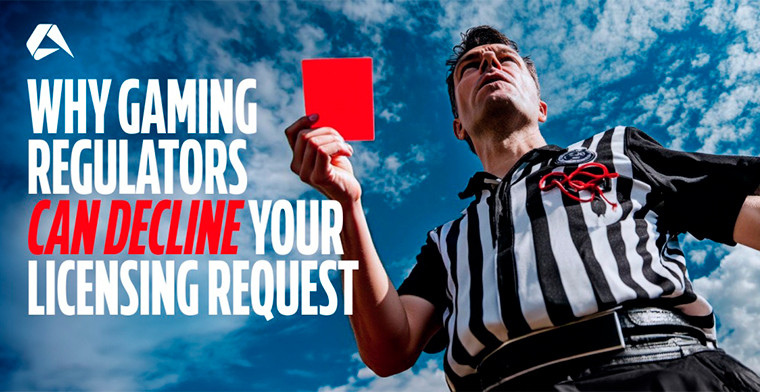
Obtaining a gambling licence is a challenging but essential process for iGaming operators. With up to 40% of first-time applications rejected, success depends on thorough preparation—not luck. Regulators evaluate financial stability, corporate transparency, technical standards, responsible gambling measures, and the backgrounds of key personnel to ensure integrity and player protection.
Why Licensing Matters:
A gambling licence builds credibility, enables legal market access, secures banking partnerships, and protects operators from reputational and legal risks. Without it, operators risk exclusion from regulated markets and partnerships.
Core Requirements:
To gain approval, applicants must show financial solvency, disclose ownership structures, implement strong AML/KYC procedures, and meet local compliance rules (such as physical presence or local servers). Operators must also uphold responsible gambling practices and ensure robust data and cybersecurity standards.
Common Reasons for Rejection:
Applications often fail due to lack of funding, unclear ownership, unsuitable personnel, technical non-compliance, or weak AML and responsible gambling measures. Failure to meet tax obligations, submit a viable business plan, or disclose accurate information can also lead to denial.
Case Studies:
Examples from the Netherlands, UK, and Austria show how associations with criminal entities, poor financial health, and ethical violations can result in licence denial or revocation—even years after approval.
Best Practices for Success:
Operators should maintain transparency, implement internal controls, engage with regulators, ensure technical compliance, promote responsible gambling, and conduct due diligence. Staying informed about regulatory changes is critical for long-term compliance.
Conclusion:
A gambling licence is more than a legal requirement—it reflects an operator’s values and reliability. Regulators look at the full picture, including an operator’s reputation and long-term intentions. The most successful applicants go beyond basic compliance and position themselves as trustworthy, responsible partners in the gaming ecosystem.
Read the full article here