Centralized Self-Exclusion, an effective measure to provide a comprehensive safety net for players
Monday 24 de March 2025 / 12:00
⏱ 6 min read
(Lakewood, NJ).- In the ever-evolving landscape of gaming regulation, ensuring the well-being of players is paramount. One effective measure gaining traction is the implementation of centralized self-exclusion databases. These systems allow individuals to voluntarily exclude themselves from all gaming platforms within a jurisdiction through a single registration, providing a comprehensive safety net for them. Read this report by Angela Wong, VP of Global Lottery Solutions, and Mike Randall, Responsible Gaming (RG) Specialist, GLI.

Understanding Self-Exclusion
Self-exclusion is a voluntary process where individuals request to be barred from gaming activities for a specified period. Traditionally, this required separate registration agreements with each gambling operator, a cumbersome process that often left gaps in protection. Centralized self-exclusion databases streamline this by enabling a one-time registration that applies across all licensed operators within a jurisdiction.
Global Examples of Centralized Self-Exclusion
Several jurisdictions have pioneered centralized self-exclusion systems.
- Argentina (City of Buenos Aires): LOTBA, the regulatory entity for all forms of gaming and lottery operator, centralizes self-exclusion with the ReVa (Registro Voluntario de Autoexclusión) which is valid for 2 years and limits the access to all gaming and lottery activities.
- Argentina (Province of Mendoza): The province offers a voluntary self-exclusion program that allows individuals to limit their access to all licensed gaming establishments and online platforms within its jurisdiction. This initiative also integrates a unified facial recognition system across all regulated gaming venues, effectively preventing excluded individuals from accessing gaming areas.
- Australia: Dataworks (formerly IXUP Limited) was awarded a contract to develop and operate BetStop, Australia’s National Self-Exclusion Register, by the Australian Communications and Media Authority (ACMA).
- Canada: The Province of Ontario is developing a centralized self-exclusion system for its iGaming market. iGaming Ontario has selected IXUP Limited to create a platform that will allow players to self-exclude from all regulated online gaming sites in the province through a single registration.
- Massachusetts: The state offers a voluntary self-exclusion program that enables individuals to exclude themselves from all licensed gaming establishments and online platforms within the state. Participants can choose exclusion periods ranging from one year to a lifetime ban.
- Missouri: The Missouri Gaming Commission administers a statewide voluntary exclusion program, allowing individuals to ban themselves from all casinos in the state. This program has been in place for more than a decade, providing support to those seeking assistance with problem gambling.
- New Jersey: The state has streamlined its self-exclusion process by allowing individuals to add their names to the self-exclusion list through the New Jersey Division of Gaming Enforcement’s website. This online option enhances accessibility and privacy for those wishing to self-exclude from casinos and online gambling platforms.
- Spain: The DGOJ which is the national Spain online gaming regulator, offers and maintains a central register for the player self-exclusion (self-prohibition), “Registro General de Interdicciones de Acceso al Juego (RGIAJ)”, which can be individuals can register voluntarily through a form, through the e-office of the DGOJ or through an application (operators must offer direct link to these services). This applies to online gaming operators and lotteries (ONCE and SELAE) and it is also communicated to the Autonomous Communities which would manage the land-based gaming according to the specific local regulations. The self-exclusion status can be cancelled only after 6 months from the date of the registration. The DGOJ provides services to the operators to verify and consult the registration and registration changes, respectively.
- Sweden: Sweden’s Spelpaus system offers a centralized self-exclusion service, enabling individuals to block themselves from all licensed gaming operators. Since its launch in 2019, more than 100,000 individuals have registered, reflecting its significant role in harm reduction.
- United Kingdom: The UK introduced GAMSTOP, a national online self-exclusion program, allowing players to exclude themselves from all online gaming operators licensed in the country. This initiative has been instrumental in providing a unified approach to player protection.
Benefits of Centralized Self-Exclusion
Research supports the effectiveness of centralized self-exclusion systems.
- Comprehensive Coverage: A centralized system ensures that once an individual opts for self-exclusion, all participating operators enforce the exclusion – ensuring a true timeout from gambling. This holistic approach is more effective than fragmented systems where individuals must self-exclude from each operator separately.
- Ease of Access: Centralized databases simplify the self-exclusion process, making it more accessible and less daunting for individuals seeking help. This ease of access can lead to higher participation rates and, consequently, better outcomes in harm reduction.
- Data Security and Privacy: With a centralized system, sensitive information is managed by a single entity, reducing the risk of data breaches and ensuring compliance with privacy regulations. This centralized management fosters trust among users, encouraging more individuals to utilize the service.
Challenges and Considerations of Centralized Self-Exclusion
While centralized self-exclusion systems offer numerous benefits, they are not without challenges.
- Implementation Complexity: Developing and maintaining a centralized database requires significant resources and coordination among regulators and operators. Ensuring seamless integration across all platforms is essential for the system’s effectiveness.
- Cross-Border Gambling: In regions where players have access to international gambling sites and locations, centralized self-exclusion may be less effective unless there is cooperation between jurisdictions. Addressing this issue requires international collaboration and agreements to extend the reach of self-exclusion measures.
Centralized self-exclusion databases represent a significant advancement in responsible gaming initiatives. By providing a streamlined, comprehensive, and secure method for individuals to manage their gaming activities, these systems enhance player protection and support the overall integrity of the gambling industry. As demonstrated by jurisdictions like Australia, Canada, Spain, Sweden, UK, and across various jurisdictions within the U.S. and Argentina, embracing centralized self-exclusion is a proactive step toward a safer gaming environment.
If your jurisdiction is wondering how to proceed with a centralized self-exclusion program or looking at any aspect of your RG regulatory environment, reach out to GLI for support and expertise.
As the Vice President of Global Lottery Solutions, Angela Wong serves as an essential resource and works with GLI lottery clients to facilitate end-to-end success in the global lottery industry. She brings 14 years of experience including extensive lottery knowledge and unique expertise in the execution of strategy and complex projects and initiatives.
Working closely with lottery clients and engineering teams, she identifies technical and business challenges facing U.S. and international lotteries and develops workable strategies for engagement and serving of lottery-related needs in every region of the world.
Prior to joining GLI, she was director of the Montana Lottery, where she earned a reputation for her leadership and innovative approach. She is a past president of the North American States and Provincial Lotteries (NASPL), where she held multiple leadership positions over 10 years. She also held various leadership roles with the Multi-State Lottery Association (MUSL). She was inducted into the PGRI Lottery Industry Hall of Fame Class of 2021 for promoting excellence and integrity in the lottery industry.
Her unique set of skills allows for quick engagement as she helps GLI’s clients navigate the changing lottery landscape and leverage new opportunities created by emerging technology and new delivery channels.
Mike Randall is a globally recognized RG Specialist with decades of experience working with operators, regulators, and suppliers to design and implement RG programs. He has contributed to developing RG frameworks for both emerging and established markets, aligning with World Lottery Association (WLA) and European Lottery certifications. Mike’s work has been featured in industry publications, and he is a sought-after speaker on RG strategies, self-exclusion programs, and regulatory compliance. Mike’s tailored approach ensures every program reflects the specific needs of the audience while embedding global best practices into local contexts.
If you’re a Regulator, Lottery, or physical casino Operator, you can catch Mike speaking on this blog topic as part of a panel session at the upcoming 2025 GLI Regulators Roundtable Wednesday, April 16, 2025 at the Palms in Las Vegas. The session is titled “Level Up: Thoughts on a Future of Gaming That Balances Fun, Fair Play, and Harm Minimization”. Key themes will include modernizing self-exclusion systems, with an emphasis on centralized, multi-operator models that offer flexibility and empower players to take control of their gaming habits.
Categoría:Reports
Tags: GLI,
País: United States
Región: North America




Event
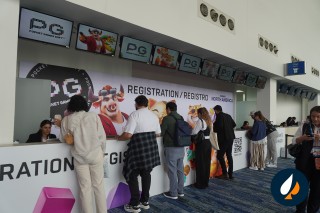

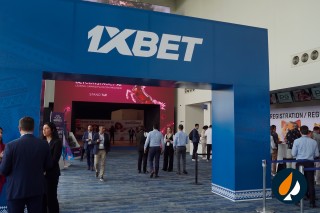

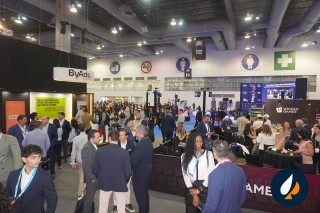


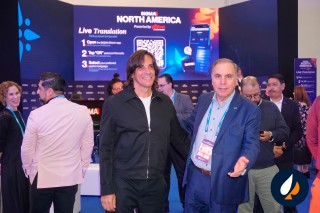
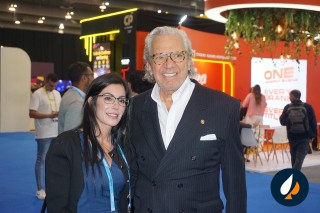
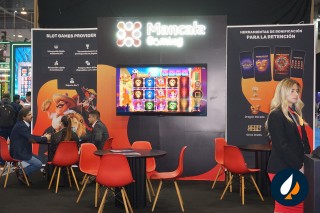
SiGMA North America 2026
01 de September 2026
LatAm Regulators Discussed Illegal Gambling and Innovation at SiGMA North America
(Mexico City, SoloAzar Exclusive).- The panel "The Red Pen Forum: Regulators Respond to the Industry," held during SiGMA North America 2026, brought together representatives from Uruguay, Argentina, Puerto Rico, and Honduras to analyze regulatory challenges, digital transformation, illegal gambling, and the need to adapt lotteries for new generations. The conference was moderated by Rodrigo Cigliutti, Executive Director of CIBELAE (Ibero-American Corporation of State Lotteries and Betting), and featured the participation of Marcelo Visconti, National Director of Lotteries and Quinielas of Uruguay; Carlos Moyano, President of IAFAS Entre Ríos, Argentina; Heidi Hernández Olivo, Deputy Secretary of the Puerto Rico Lottery; and Lissa Mencía, General Director of Lottery Operations and Games at Loto Honduras.
Monday 28 Sep 2026 / 12:00
SiGMA North America Addressed Crisis Management in iGaming
(Mexico, SoloAzar Exclusive).- During SiGMA North America 2026, Rosa Ochoa, founder of the Blue Global Gaming platform and strategic advisor for gaming operators; Iliana María Pineda Echeverri, Chief Legal & Compliance Officer at Wplay.co; Iraid Rosales, Country Manager Mexico at Amusnet; and Elizabeth Maya Cano, Executive President of CORNAZAR, analyzed the key factors in managing crisis situations within the iGaming industry, with a special focus on transparency, communication, technology, and preparation.
Friday 25 Sep 2026 / 12:00
Affiliates and Acquisition: Keys to Regulated Markets in North America
(Mexico City, SoloAzar Exclusive).- During SiGMA North America 2026, Cristopher Guzmán Reyes, Head of Affiliates at Logrand Entertainment Group; Guga Júnior, influencer and slots expert at Scalar Partners; Andrés Gómez, Head of Latin America Go-to-Market Strategy at Admattic; Yambot Aguilera, Gaming and Finance Sales Director at Google; and Paula Gabriel Jiménez, Advertising Client Growth Director for Microsoft at Aleph, analyzed the state and provincial affiliate ecosystem in North America, as well as the acquisition challenges in regulated markets.
Thursday 24 Sep 2026 / 12:00
SUSCRIBIRSE
Para suscribirse a nuestro newsletter, complete sus datos
Reciba todo el contenido más reciente en su correo electrónico varias veces al mes.