Netherlands Faces Revenue Shortfall Amidst Gambling Tax Increases
Thursday 06 de August 2026 / 12:00
⏱ 2 min read
(The Hague).- According to a report co-authored by the Ministry of Finance, two consecutive gambling tax rate increases in the Netherlands have been "less effective" than initially forecast, reports the portal intergameonline.com.
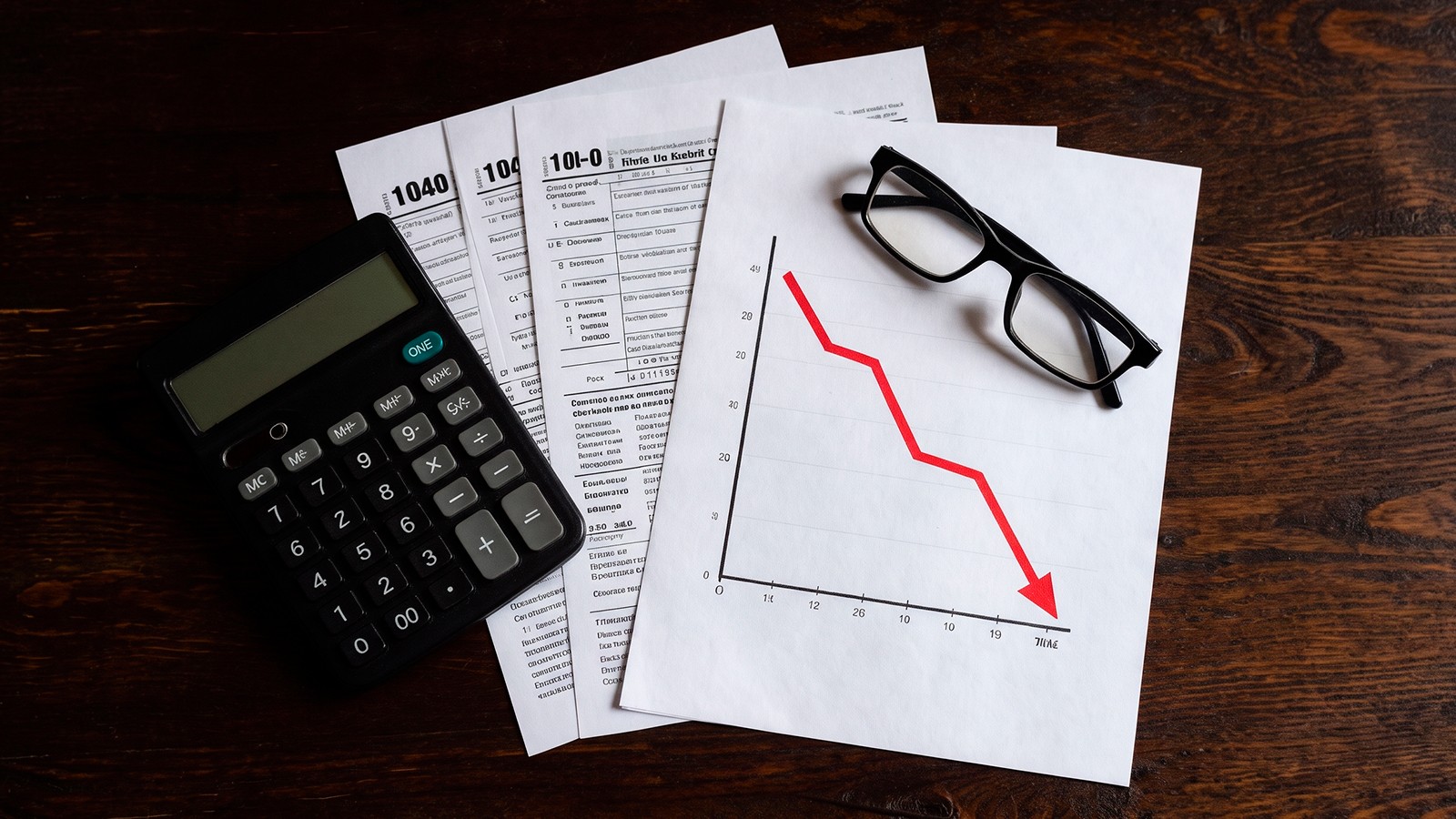
In 2025, the Dutch government raised the tax rate from 30.5% to 34.2%, and starting this year, it was raised again to 37.8%. Although an additional €108 million in gambling tax revenue was projected for 2025, the actual figure was only €2 million higher. For 2026, the government projected additional revenues of €216 million, but only €57 million were collected.
The report notes that a significant side effect is a decline in revenues from state-owned gambling operators, "which means that the government's additional revenues are even smaller."
This latest report was published after the Dutch government revealed plans to introduce a blanket ban on gambling advertising, going one step further than the current restrictions.
“The tax revenue forecast in the Netherlands has not materialized because higher taxes mean less competitiveness against the illegal market. Unfortunately, by creating such unbalanced regulations, countries themselves drive players toward the illegal sector. Tax rates must be proportionate to the market size, development speed, the share of the shadow economy, and the actual ability to access unlicensed sites, among other factors,” stated Līga Līce, Executive Director of the Latvian Licensed Gambling Association (LLAB). She also emphasized that this effect will be further exacerbated by a complete advertising ban, something that has already been seen in Latvia.
Alongside debates regarding the impact of tax increases and advertising restrictions on the legal market, discussions are also taking place about the unregulated sector.
Earlier this week, the Netherlands' gambling industry association VNLOK announced that it is suing Meta—also involving the European Commission—over the presence of illegal gambling advertisements on platforms like Facebook and Instagram.
“LLAB will definitely follow this litigation closely. In Latvia, advertisements for illegal gambling operators are also visible on social networks, and a large portion of players who choose illegal games admit they find out about them online, including through social media,” Līce emphasized.
Categoría:Reports
Tags: Sin tags
País: Netherlands
Región: EMEA




Event

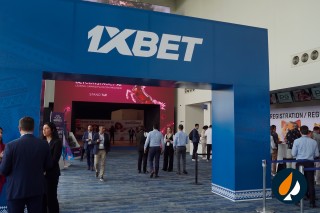

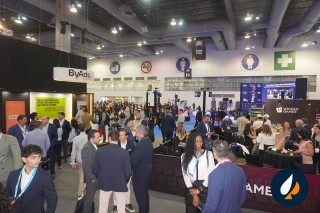

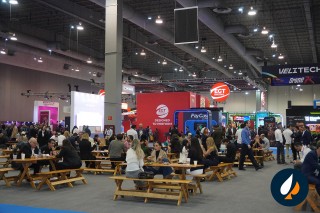


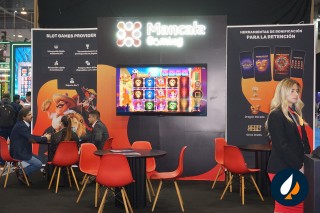
SiGMA North America 2026
01 de September 2026
CP Games at SiGMA North America: Localization, Integration, and Regional Growth
(Mexico City, SoloAzar Exclusive).- Following a successful showcase at SiGMA North America, Caio Ruiz, Head of Growth and Strategic Partnership at CP Games, reflects on the event's key takeaways. He discusses the critical need for localized strategies across the Americas, the importance of flexible technical integrations, and the company's next steps in navigating the diverse gaming landscapes of LatAm and North America.
Tuesday 22 Sep 2026 / 12:00
"Our focus for growth is in Mexico and the rest of LatAm", Alberto Alfieri, Co-Founder of Blokotech
(Mexico City, SoloAzar Exclusive).- Following their success at SiGMA North America—where they secured the Best Casino Platform 2026 award—Blokotech's co-founder discusses growth opportunities in Mexico and the broader region. He also highlights the platform's latest AI-driven innovations and outlines the next phases of the company's expansion strategy.
Tuesday 22 Sep 2026 / 12:00
SiGMA North America Examines the VIP Revenue Paradox
(Mexico City, SoloAzar Exclusive).- At SiGMA North America 2026 in Mexico City, the conference “The VIP Paradox: Emotional Intelligence vs. Revenue Pressure” brought together Beatriz Melges, Regional Director at BetConstruct AI; Rodrigo Ripol, Business Development Officer at AHIS; Erick Sapien, Country Manager at BC.GAME; and Thomas Carvalhaes, Founder and CEO of TC iGaming Advisors LATAM, to examine the balance between VIP management, revenue generation, player protection and emotional intelligence.
Tuesday 22 Sep 2026 / 12:00
SUSCRIBIRSE
Para suscribirse a nuestro newsletter, complete sus datos
Reciba todo el contenido más reciente en su correo electrónico varias veces al mes.