Interviews
Nevada’s Regulatory Model, Taxation Challenges and Prediction Markets Take Center Stage at GAT Expo Cartagena
2 minutos de lectura
(Cartagena de Indias, SoloAzar Exclusive).- During a high-level fireside chat at GAT Expo Cartagena 2026, Brian Krolicki, Vice Chairman of the Nevada Gaming Commission, and Rodrigo Afanador Carrasco, CEO of Zamba and General Manager of Grupo Vicca, explored key regulatory challenges shaping the global gaming industry, with a particular focus on Latin America.
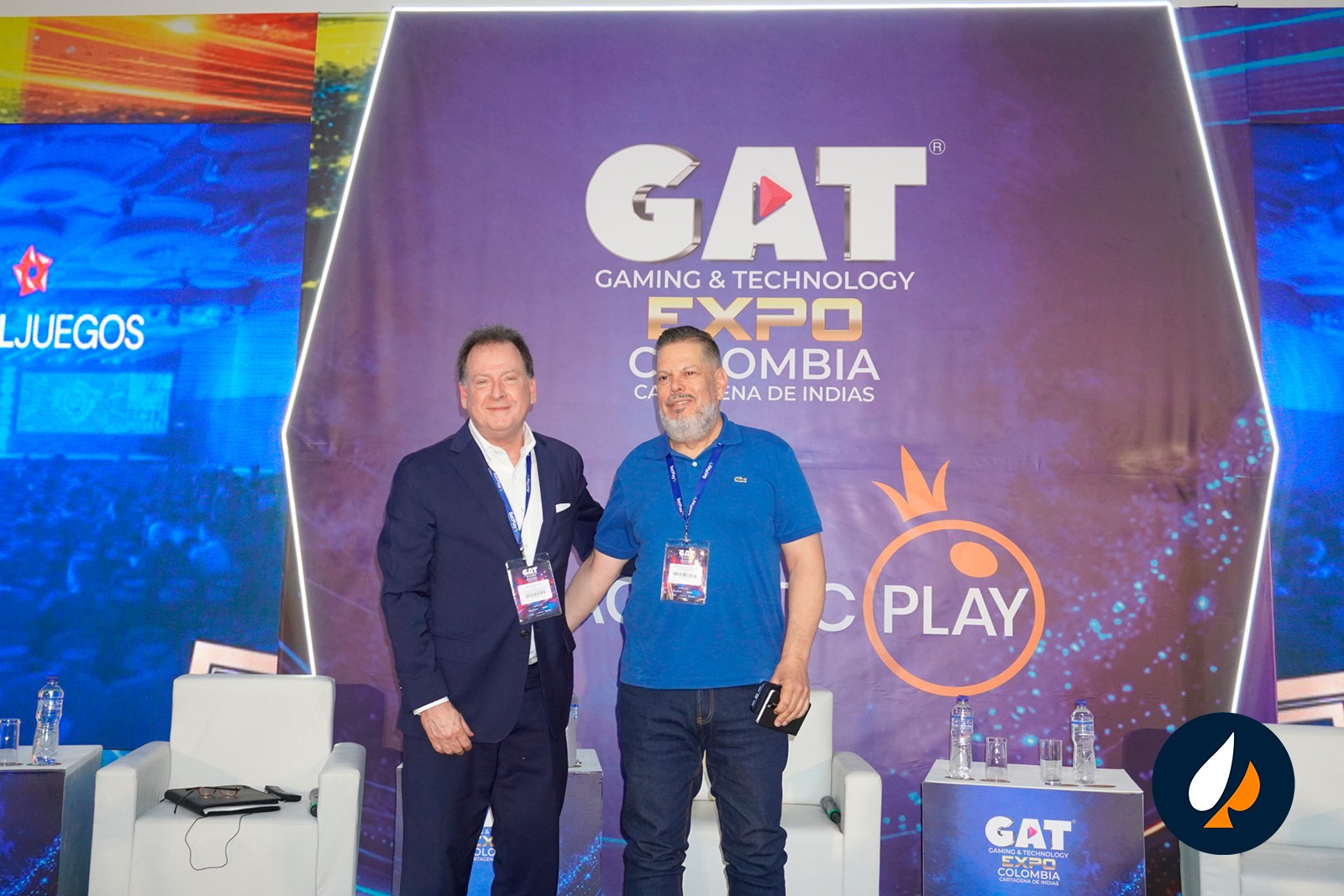
Held at the Salón Nueva Granada of the Centro de Convenciones Las Américas, the session provided an in-depth look at the pillars of Nevada’s regulatory framework and its potential lessons for emerging markets.
Krolicki emphasized the strict and comprehensive nature of the Nevada model, stating that “a Nevada gaming license is a privilege, not a right.” He detailed the rigorous vetting process applied to all applicants, noting that “some of our investigations take years to complete” and that “character matters, who you bank with matters, the source of capital matters.” According to him, licensing is only the beginning, as “it doesn’t stop at licensing, it continues with oversight.”
The conversation then shifted to taxation, one of the most pressing issues across Latin American jurisdictions. Krolicki highlighted the importance of balance and predictability, explaining that “taxation needs to be fair, it needs to be predictable, it needs to be transparent and it needs to be sustained.” He warned that excessive tax burdens could have unintended consequences: “if that suddenly changes to a point where it’s not profitable, then that’s when illegal gaming is going to thrive.”
Drawing a comparison, he pointed out that Nevada has maintained a stable gross gaming tax rate of approximately 6.75% for decades, enabling long-term investments. “Companies need to know that the capital they deploy for the next 20 to 40 years is going to be stable,” he said, contrasting this with more volatile tax environments that may deter international investors.
A significant portion of the discussion focused on the rise of prediction markets, an increasingly debated topic among regulators worldwide. Krolicki described the phenomenon as a growing concern, particularly when it overlaps with traditional sports betting. “This is becoming a very large and complex situation,” he noted, adding that many of these platforms operate outside state-level regulatory frameworks.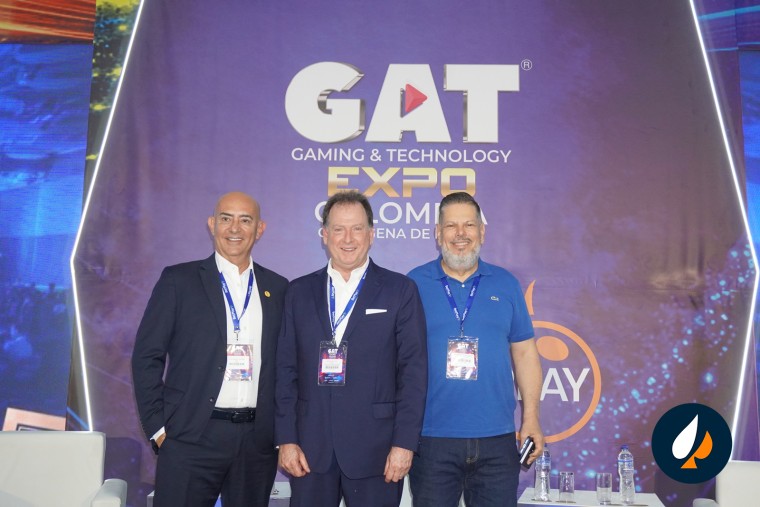
He expressed concern over the lack of safeguards in such environments: “they can’t enforce underage gambling, problem gambling protections, or geolocation controls,” placing regulated operators at a disadvantage. “You can’t compete with an actor that’s not concerned with compliance,” he warned.
While acknowledging that prediction markets have existed for years, Krolicki stressed that their expansion into sports betting raises critical regulatory questions. “When words get in the way of what you know is right and wrong, it becomes an issue,” he said, suggesting that the classification of these activities remains a contentious legal matter likely to reach the highest courts in the United States.
The discussion also touched on technology certification and the role of regulators in ensuring fairness. Krolicki explained that Nevada places strong emphasis on verifying that gaming systems are transparent and not manipulative: “we want the technology to thrive, but it has to be done in a way that’s healthy, fair, and transparent.”
Closing the session, Krolicki underscored the importance of global cooperation among regulators, noting that “we’re all in this together,” particularly in an era defined by digitalization and cross-border challenges.
The fireside chat highlighted the growing complexity of regulating modern gaming markets and reinforced the need for balanced policies that foster innovation while ensuring integrity and player protection.
Categories: Events
Tags: GAT EXPO Gaming & Technology,
Region: Europa
Sign Up
To subscribe to our newsletter, please fill in your details
Receive all the latest content in your email several times a month.