Interviews
The true size of gray or illegal gambling by companies and casinos in Mexico
2 minutos de lectura
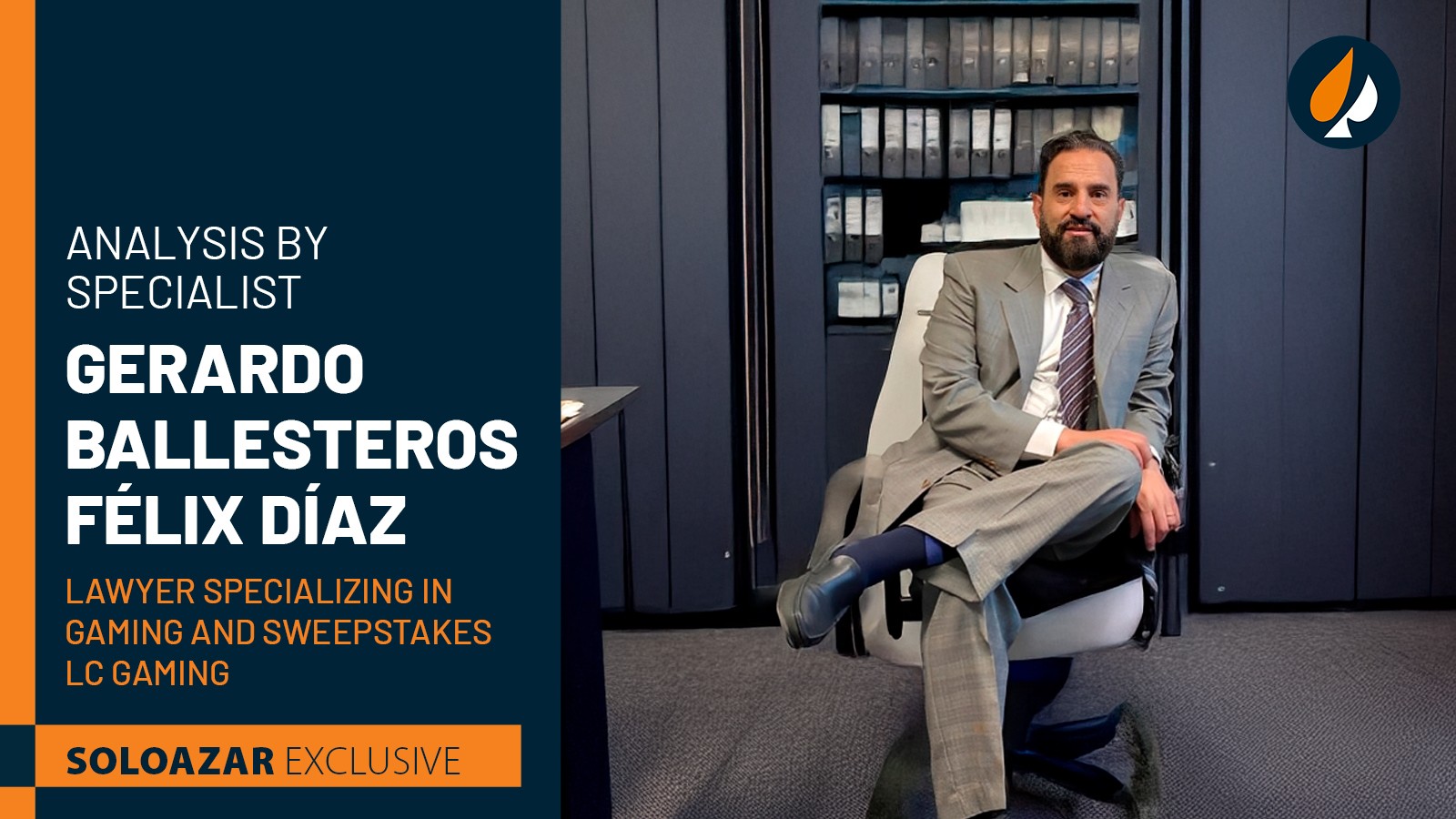
The gaming and sweepstakes sector in Mexico is going through a crucial moment of consolidation and expansion. While the regulated market is experiencing steady growth driven by technological adoption and major sporting events, the industry faces a persistent challenge: the presence of the gray market and crime from illegal operations. Gerardo Ballesteros Félix Díaz, helps us to understand the dimensions of this phenomenon.
The Real Size of Grey and Illegal Gambling by Land-Based and Online Companies and Casinos in Mexico
1. Diagnosis of the Regulated Sector in the Face of Informal Shade
The entertainment industry based on chance represents an important economic activity in Mexico. According to the official registry of the General Directorate of Games and Lotteries (DGJS) of the Ministry of the Interior (SEGOB), the regulated infrastructure is made up of about 400 physical rooms authorized in the national territory, in addition to the online operators officially registered through licenses issued by the authority.
However, projections by industry analysts indicate that for every peso that transits through the regulated circuit, a considerable portion circulates in unauthorized channels. "Gray gambling" – that operated by brands incorporated outside national jurisdiction but that accept local users without paying taxes in Mexico – and "illegal gambling" – completely clandestine physical operations or fraudulent websites – together represent an estimated share of between 30% and 40% of the total betting market.
ESTIMATED STRUCTURE OF THE MEXICAN MARKET:
60%-70% Authorized Market (DGJS / SEGOB)
20%-25% Grey Market (International/Offshore Sites)│
10%-15% Illegal Market (Unauthorized Physical Rooms) │
2. Physical Casinos: From Neighborhood Machines to Clandestine Establishments
In the face-to-face sphere, the gap between the authorized sector and illegality operates on two levels:
- Mini-casinos and terminals on public roads: The installation of slot machines in local shops, pharmacies and community centers represents the most widespread stratum of illegal gambling in the country. It is estimated that there are tens of thousands of these terminals distributed throughout the national territory, operated without supervision by the SEGOB.
- Physical rooms not allowed: Despite the constant operations carried out by the authorities in coordination with the DGJS for the closure of premises, the reopening of establishments that operate under expired injunctions or without the corresponding licenses persists.
3. The Digital Challenge: The Frontiers of Grey iGaming
The digital segment shows the most marked distortion. The growth of sports betting and virtual casino games – accelerated by access to smartphones and electronic payment infrastructures – has facilitated the incursion of international platforms.
Operation Channel | DGJS License Status | Tax Impact | Risk to the User |
|---|---|---|---|
Regulated Operator | Valid and with official permission | Pay IEPS and local ISR | High (Subject to responsible gaming rules) |
Grey Market (Offshore) | International license (Curacao, Malta, etc.) | Capital flight / Tax omission | Medium (No protection from Mexican authority) |
Illegal Market/Fraud | No license | Zero taxation | Critical (Risk of financial fraud and data misuse) |
The digital grey market takes advantage of the lack of rigorous and empty geo-blocking mechanisms in bank collection schemes to process local transactions without taking on the IEPS burdens or submitting to the responsible gambling policies dictated by the regulatory authority.
4. Socioeconomic Consequences and the Regulatory Pathway
The impact of the prevalence of grey and illegal gambling spans multiple fronts:
- Tax matters: The omission of the payment of IEPS and income tax represents multimillion-dollar annual losses for the Public Treasury.
- Consumer protection: Users who participate in unauthorized platforms lack a formal conciliation channel before the SEGOB in the event of non-payments or disputes.
- Unfair competition: Formal permittees assume high operational, regulatory, and fiscal costs compared to competitors that operate without a margin of compliance.
To ensure sustainable growth of the gaming and sweepstakes industry in Mexico, updating the federal regulatory framework is a priority. The coordinated work between the General Directorate of Games and Sweepstakes, the tax authority and financial institutions will be decisive in limiting the borders of unregulated gambling and channeling it towards a transparent and secure market.
*Gerardo Ballesteros Félix Díaz, is a Lawyer Specializing in Games and Sweepstakes and main partner of the law firm LC Gaming.
Categories: Analysis
Tags: No Tags
Region: Europa
Sign Up
To subscribe to our newsletter, please fill in your details
Receive all the latest content in your email several times a month.