The Human Link in Money Laundering Prevention
In September of this year, the FATF—the international body that sets anti-money laundering standards—published a report on gambling and betting risks built on data from eighty jurisdictions. The document confirms what the sector already suspected: digitalization, online gaming, and sports betting have expanded the risk surface, making casinos, online platforms, and sportsbooks the most exposed segments today.
The obvious takeaway from a report like this is technical: more controls, more technology, more regulation. And that is right—it is needed. Yet among the weaknesses the FATF itself points out are two that, read through an HR lens, say a great deal: "limited training" and "insufficient staffing." Put another way, a large part of the problem isn't a lack of technology; it's a lack of people—and trained people at that. That is where a conversation almost nobody is having begins.
What the FATF Puts on the Table
The report describes staff above all as a vulnerable point: one risk indicator is attempts to influence or bribe floor employees to bypass due diligence controls. Among the most frequent control failures are uneven due diligence quality, weak monitoring, and, once again, limited staff training. It is an uncomfortable diagnosis, but an honest one.
Compliance Isn't a Checkbox; It's Sustained
In Argentina, casinos and gaming operators are already obligated entities before the UIF: they must maintain prevention programs and report suspicious transactions. The legal obligation, then, is not up for debate. What makes the difference is something else: who carries it out, and how well prepared they are.
Here is my point. In practice, compliance tends to be treated as software, a form, or a box to tick. Yet the first line of detection for a suspicious transaction is not a system—it is a person. A cashier who notices someone buys chips, plays little or not at all, and tries to cash them out for a check. A supervisor who spots an unusual pattern at a table. An employee who senses something is off. Software flags patterns; people notice what doesn't fit. And to notice it, they have to be trained to see it and backed up when they report it.
The fact that the FATF flags "limited training" as a weakness is, to me, the best news in the report: it means one of the most effective barriers against money laundering doesn't require buying anything—it requires training the people already on the team.
Online Moved the Point of Contact
Digitalization shifts where risk is detected. On a physical floor, a trained employee's eye saw the customer. In online gaming, as the report notes, accounts can be created without in-person verification, bringing new red flags: third-party payments, multiple accounts, coordinated betting, match-fixing. That human judgment that used to live on the casino floor now has to be rebuilt inside digital teams: newer profiles—analysts, platform staff—need the same alert mindset the old cashier had, translated into their own world.
A Culture, Not a Checklist
That is why the hardest part isn't the system—it's the culture. An employee reports what they see only if they feel supported doing so; if speaking up brings trouble, they look the other way. That is where middle management and leadership play a decisive role: building an environment where flagging something unusual is part of the job, not a personal risk. Compliance that actually works isn't imposed out of fear of punishment; it is understood, shared, and upheld every day.
The Barrier You Can't Buy
The sector will keep investing in technology, and rightly so. Still, it is worth remembering that a system only detects what someone taught it to look for, and only acts when someone decides to escalate the alert. Technology is the tool; judgment is human. That is why, in money laundering prevention as in almost everything else in this industry, the final barrier cannot be bought—it is trained, supported, and cared for.
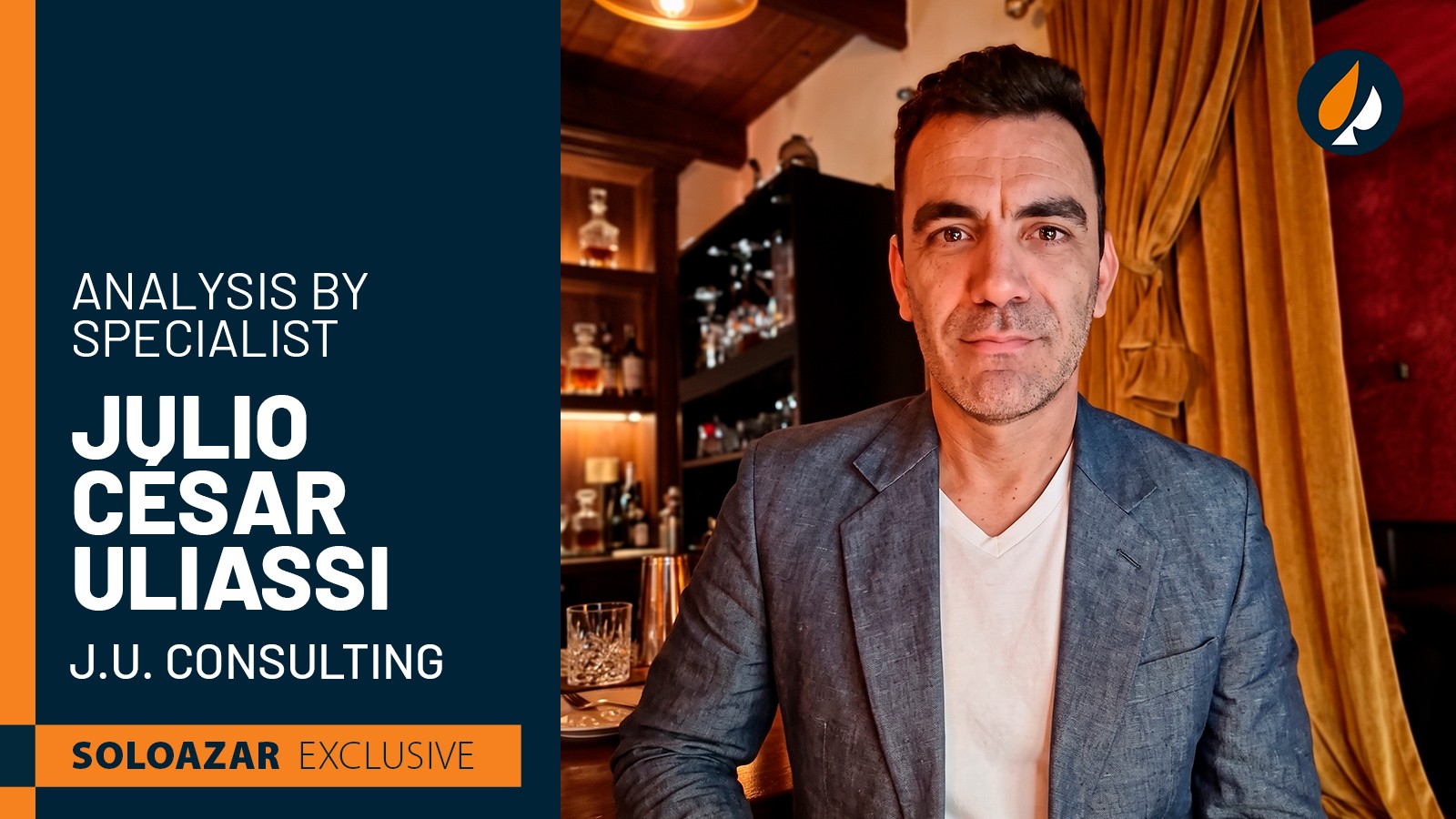
* Lic. Julio César Uliassi is a Consultant in labor relations and human capital. Gaming industry (NEA). consultoraju.com.ar