Colombia authorises pilot programmes to reopen casinos
Friday 31 de July 2020 / 03:37
⏱ 2 min read
(Bogota).- Colombia’s Ministry of Health has published a decree allowing local districts and municipalities to authorise the reopening of casino and bingo establishments as part of a new pilot programme.
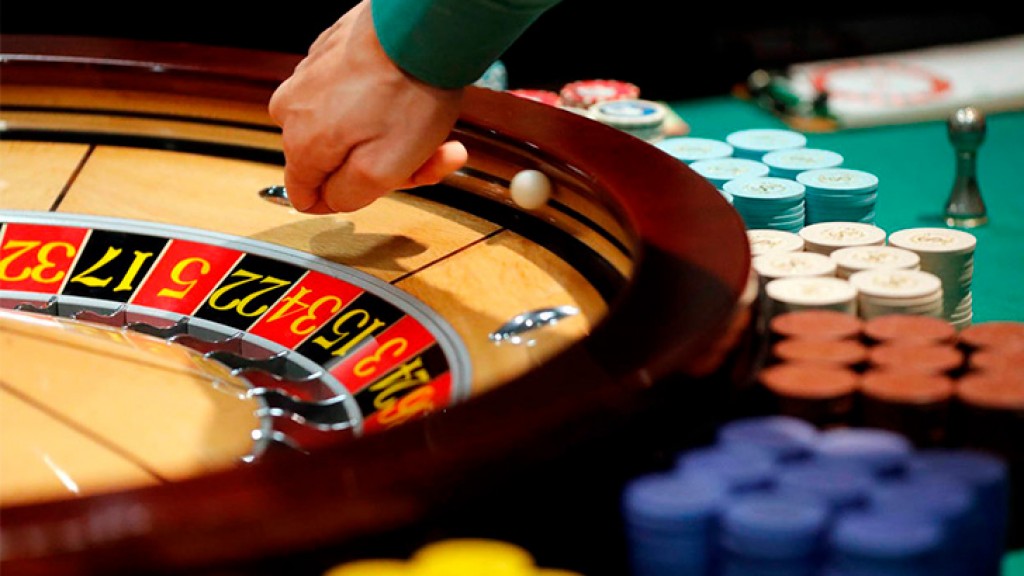
This requires all venues to comply with safety protocols issued by the Ministry of Health and Social Protection.
The decree also calls for an extension to the country’s quarantine, requiring the mandatory isolation of all its citizens until 1 September 2020. This suggests that the reopenings will be at local authorities’ discretion, and with a nationwide reopening not yet on the cards.
Leisure venues of all kinds, including casinos and bingo halls, restaurants and bars, theme parks, zoos, cinemas and theatres, may be permitted to reopen as part of the pilot programmes, which aim to safely bring back the nation’s leisure industry after all places of public gathering were ordered to close in March.
All establishments taking part in pilot programmes will be required to comply with government-issued safety guidelines, including that the consumption of alcoholic beverages will not be permitted.
The biosafety protocol for bingo venues and casinos is in line with the Ministry of Health’s advice, but has not yet been officially approved. This will need to take place before municipalities may authorise the pilot programmes.
Colombia’s land-based gaming sector faced a shutdown in March, when the nation’s ministers for Health and Social Protection and Commerce, Industry and Tourism, ordered all places of public gathering to close.
In the three months that followed, the state lost out on around COP135bn (£28.01m/€30.99m/$36.43m) in tax contributions due to the closures, according to operator association Fecoljuegos. Furthermore, over 240,000 families whose income comes from the sector were put at risk of losing their livelihoods.
In 2019, the gaming sector contributed COP600bn to the state through its land-based operations, of which around two-thirds directly funded Colombia’s healthcare system.
In an attempt to curb the loss of gaming revenue, the nation’s gambling regulator, Coljuegos, has been regulating new online gaming products throughout 2020, such as live dealer casino and video-bingo.
Categoría:Casino
Tags: Sin tags
País: Colombia




Event
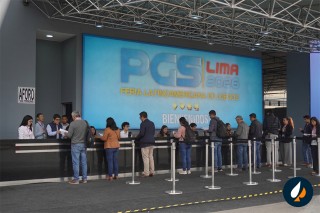

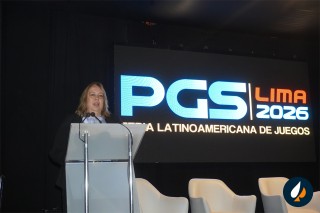
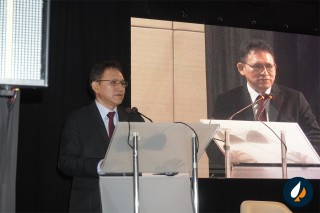
PERU GAMING SHOW – PGS 2026
17 de June 2026
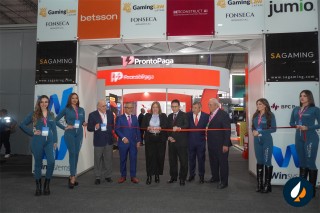
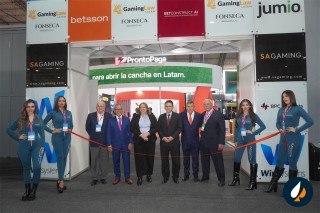
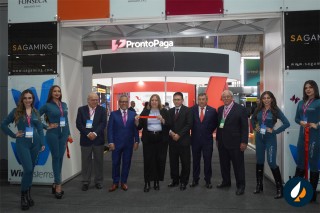
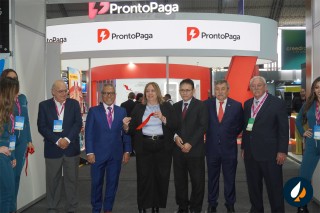
ProntoPaga Consolidates Its Position at Peru Gaming Show 2026
(Lima, SoloAzar Exclusive).- Juan Carlos Loza, Head of Sales Latam at ProntoPaga, spoke exclusively after the company's participation in Peru Gaming Show 2026, highlighting the agreements reached, the interest in their payment solutions, and the expansion plans that will drive their growth across Latin America.
Monday 03 Aug 2026 / 12:00
Enhancing Responsible Gaming Through Effective Training at PGS 2026
(Lima, SoloAzar Exclusive) – Training, prevention, and technology took center stage at the "Value of Responsible Gaming in Gambling Operations" conference during the 2026 Perú Gaming Show (PGS). Presented by Fernando Calderón Castro, President of the National Gaming Society (SONAJA), the session brought industry leaders together to tackle current challenges and explore strategies for safer, more transparent, and sustainable operations.
Wednesday 22 Jul 2026 / 12:00
LSports at the Peru Gaming Show: Building Presence, Opening Doors
(Lima, SoloAzar Exclusive).- The Peru Gaming Show was never just about the booth. For LSports, it was about showing up in a market where showing up still matters — and leaving with more than a contact list. Federico Brancato, Sales Manager for the LATAM Region, came to Lima with a clear sense of what operators in this part of Latin America need most right now. What he found confirmed it.
Friday 17 Jul 2026 / 12:00
SUSCRIBIRSE
Para suscribirse a nuestro newsletter, complete sus datos
Reciba todo el contenido más reciente en su correo electrónico varias veces al mes.