MGM Resorts urges Thailand to adopt competitive casino tax rate
Thursday 22 de May 2025 / 12:00
⏱ 2 min read
(Bangkok).- MGM Resorts International suggests Thailand should adopt a casino tax rate competitive with Singapore and permit a significant number of locals to visit casino complexes to foster tourism and economic growth. The company is exploring a potential investment of US$3-5 billion in a casino facility in Bangkok.
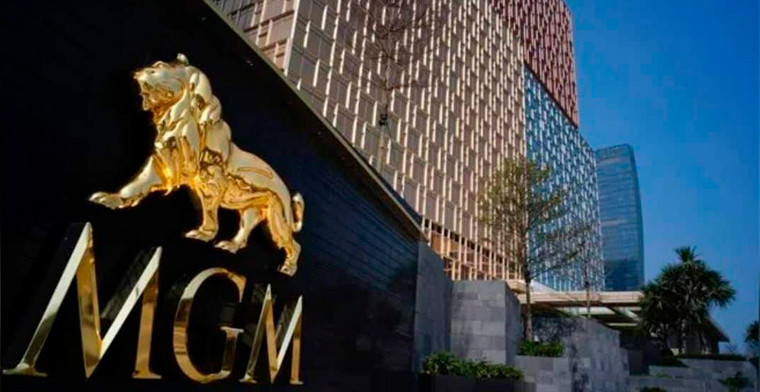
Ed Bowers, President of Global Development at MGM Resorts, stated that emerging markets embracing integrated resort investments need to align their strategies with regional competitors, especially concerning casino tax rates.
In Singapore, the average tax rate on a casino’s gross gaming revenue is 17%, while Macau and Japan impose higher rates of 40% and 30%, respectively.
Bowers emphasised the importance of allowing local visitors to casinos, citing instances where casino resorts did not thrive due to restrictions on local participation, such as in South Korea.
A South Korean casino resort in Incheon is reportedly for sale due to financial difficulties arising from a lack of local visitors.
Bowers highlighted the necessity for governments to understand the inner workings of the casino industry before formulating policies. He suggested that the entrance fee for locals visiting Thai casinos should be reasonable and not exceed Japan’s rate of approximately 1,400 baht.
Addressing concerns about potential rises in gambling and money laundering following the entertainment complex bill, Bowers mentioned that MGM Resorts and other operators have implemented responsible gambling measures.
He noted that a legal casino could help manage gambling issues while generating funds for education and support programmes through casino taxes.
Bowers also pointed out the economic benefits of developing casino resorts, which include job creation, a key aspect of MGM Resorts’ investment strategy in new markets. He stated that integrated resorts significantly impact tourism and economies while helping to address existing gambling-related issues.
Regarding investment in Thailand, Bowers expressed a preference for large casino resorts, particularly in Bangkok, due to its appeal to foreign tourists. He suggested that one large integrated resort would suffice for a major city, but smaller facilities might allow for additional casinos in a city like Bangkok.
Bowers indicated that preferred investment locations should have a large population, convenient access to airports and public infrastructure, and be in iconic tourist destinations. He also mentioned that Thailand’s draft for entertainment complexes, limiting casino space to 10% of the total area, is reasonable compared to Japan’s 3% cap and Singapore’s less than 5% allocation.
MGM Resorts prefers a 5-10% casino space allocation, which should be determined based on government policy and demand. For instance, in Pennsylvania, a high tax rate necessitates a larger casino space compared to non-gaming areas.
Conversely, in Las Vegas, competition among 30 to 40 integrated resorts requires less than 10% of space for casinos to ensure significant gaming revenue, reported Bangkok Post.
Bowers highlighted Singapore’s oligopoly model, where two resorts generate significantly more gaming revenue than those in Las Vegas.
MGM Resorts operates several integrated resorts worldwide, including two in Macau, and is planning to open MGM Osaka in 2030. The company is considering an integrated casino investment in Thailand.
Categoría:Casino
Tags: Sin tags
País: Thailand
Región: Asia




Event

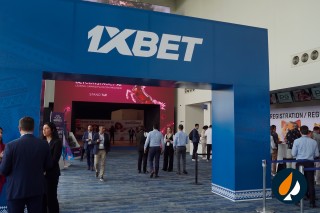

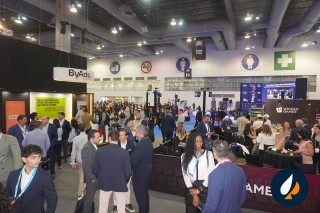





SiGMA North America 2026
01 de September 2026
LatAm Regulators Discussed Illegal Gambling and Innovation at SiGMA North America
(Mexico City, SoloAzar Exclusive).- The panel "The Red Pen Forum: Regulators Respond to the Industry," held during SiGMA North America 2026, brought together representatives from Uruguay, Argentina, Puerto Rico, and Honduras to analyze regulatory challenges, digital transformation, illegal gambling, and the need to adapt lotteries for new generations. The conference was moderated by Rodrigo Cigliutti, Executive Director of CIBELAE (Ibero-American Corporation of State Lotteries and Betting), and featured the participation of Marcelo Visconti, National Director of Lotteries and Quinielas of Uruguay; Carlos Moyano, President of IAFAS Entre Ríos, Argentina; Heidi Hernández Olivo, Deputy Secretary of the Puerto Rico Lottery; and Lissa Mencía, General Director of Lottery Operations and Games at Loto Honduras.
Monday 28 Sep 2026 / 12:00
SiGMA North America Addressed Crisis Management in iGaming
(Mexico, SoloAzar Exclusive).- During SiGMA North America 2026, Rosa Ochoa, founder of the Blue Global Gaming platform and strategic advisor for gaming operators; Iliana María Pineda Echeverri, Chief Legal & Compliance Officer at Wplay.co; Iraid Rosales, Country Manager Mexico at Amusnet; and Elizabeth Maya Cano, Executive President of CORNAZAR, analyzed the key factors in managing crisis situations within the iGaming industry, with a special focus on transparency, communication, technology, and preparation.
Friday 25 Sep 2026 / 12:00
Affiliates and Acquisition: Keys to Regulated Markets in North America
(Mexico City, SoloAzar Exclusive).- During SiGMA North America 2026, Cristopher Guzmán Reyes, Head of Affiliates at Logrand Entertainment Group; Guga Júnior, influencer and slots expert at Scalar Partners; Andrés Gómez, Head of Latin America Go-to-Market Strategy at Admattic; Yambot Aguilera, Gaming and Finance Sales Director at Google; and Paula Gabriel Jiménez, Advertising Client Growth Director for Microsoft at Aleph, analyzed the state and provincial affiliate ecosystem in North America, as well as the acquisition challenges in regulated markets.
Thursday 24 Sep 2026 / 12:00
SUSCRIBIRSE
Para suscribirse a nuestro newsletter, complete sus datos
Reciba todo el contenido más reciente en su correo electrónico varias veces al mes.