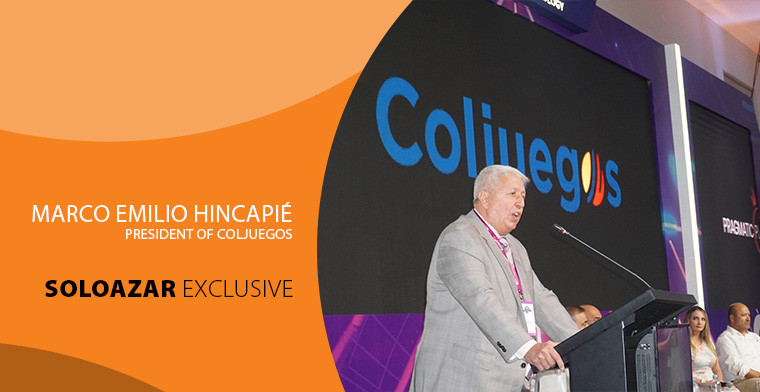
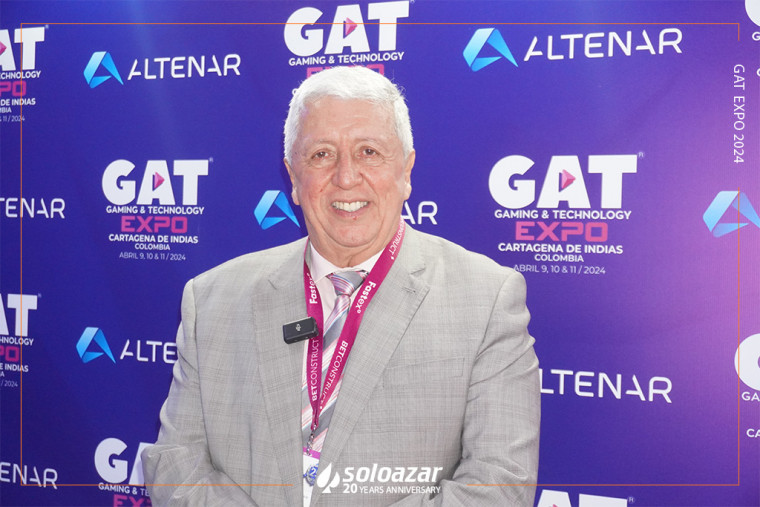
“In Colombia we have achieved, thanks to the constitutional framework (article 336 of the constitution), the norm that allows the exploitation of the monopoly by the state, which allocates gaming resources to the health of Colombians,” said Hincapié.
Then, he listed the different types of games of luck and chance both nationally and regionally that the country has, among them, localized games, casinos, bingos, the innovative games that we deliver in the bidding processes, Baloto, Internet gaming and sports betting. “As for territorial games, we have 15 lotteries, but we also have 38 concessions delivered in 26 territorial entities,” he added.
He also commented, in relation to the government's objectives, that illegal economies must be legalized, and that, as regulators, COLJUEGOS must control the activity and ensure that the most disadvantaged in the system can receive quality health service. “We have made an important collection for health. Since 2012, when we started collecting exploitation rights, we have collected more than 297 billion pesos.”
Hincapié stressed that there was an increase in revenue so far this year, and made a comparison between the revenue raised in the years 2022 and 2023 in each of the games, and what percentage of those figures was allocated to the health of the Colombians.
“I believe that the objective of this administration is to combat corruption and illegality, and promote new technologies” and announced: “Starting in June, we will also have real-time control of our localized games.”
He then said that, with the arrival of this administration, the issue of advertising has begun to be studied. “Those that offer more health resources will have the possibility of having more publicity. Those that offer less will have less advertising. Only 3 companies apply their activity according to the resolution, and the other 12 apply the minimums authorized by COLJUEGOS, which consist of 14,200 million pesos.”
He also made a request to businessmen and trade unions of the sector: “We need you to help us combat illegality in casinos” and spoke about different projects they have in the pipeline.
In relation to Artificial Intelligence in Latin America, he commented the following: “It makes it easier for us to analyze data in real time and helps regulators understand industry patterns, allows us to analyze transactions and behavior of players, to detect activities. crimes, fraud, money laundering, among other things.”