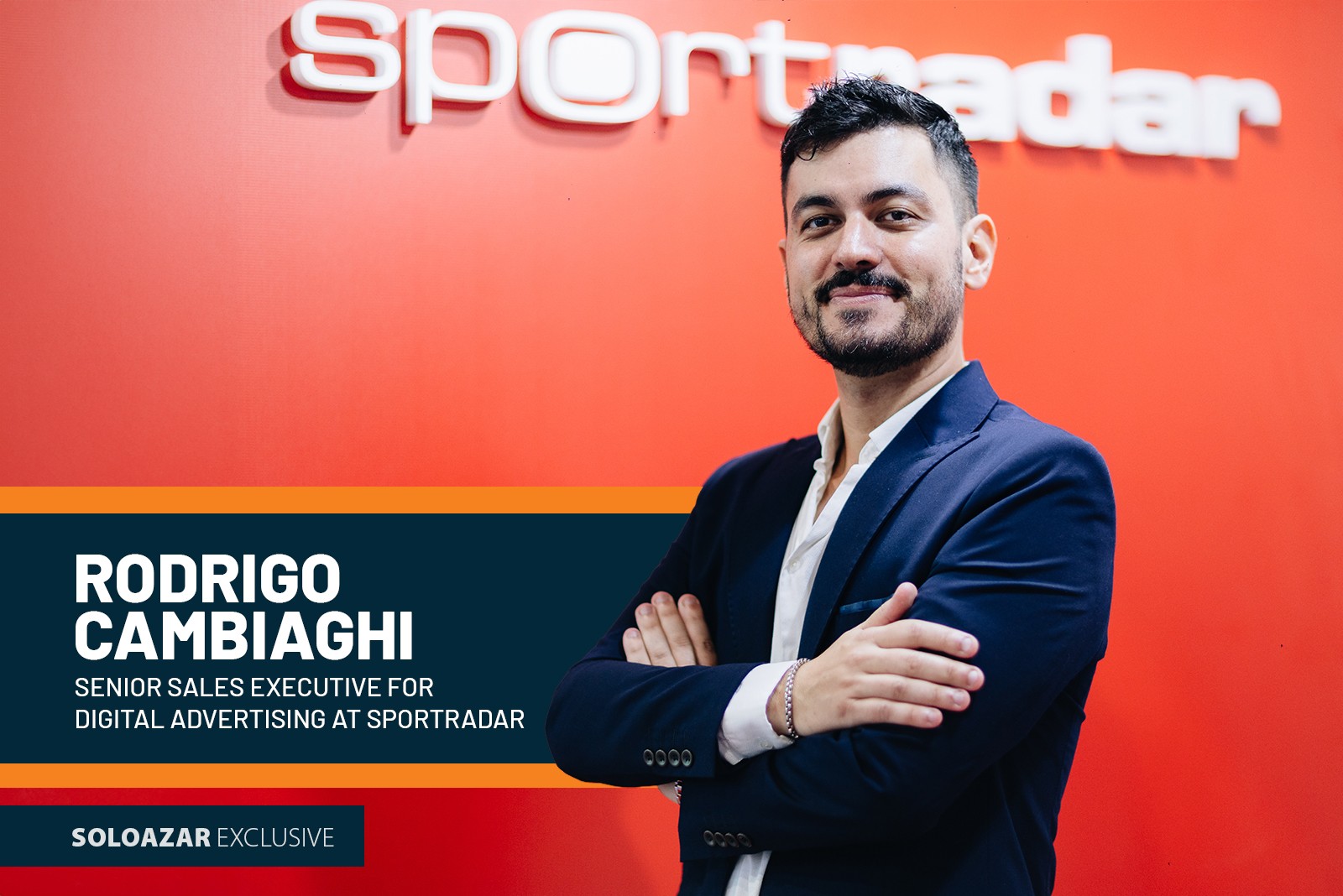
“The 2026 World Cup Is Forcing a Rethink of How Betting Brands Advertise”- Rodrigo Cambiaghi, Sportradar
Friday 30 de January 2026 / 12:00
⏱ 4 min read
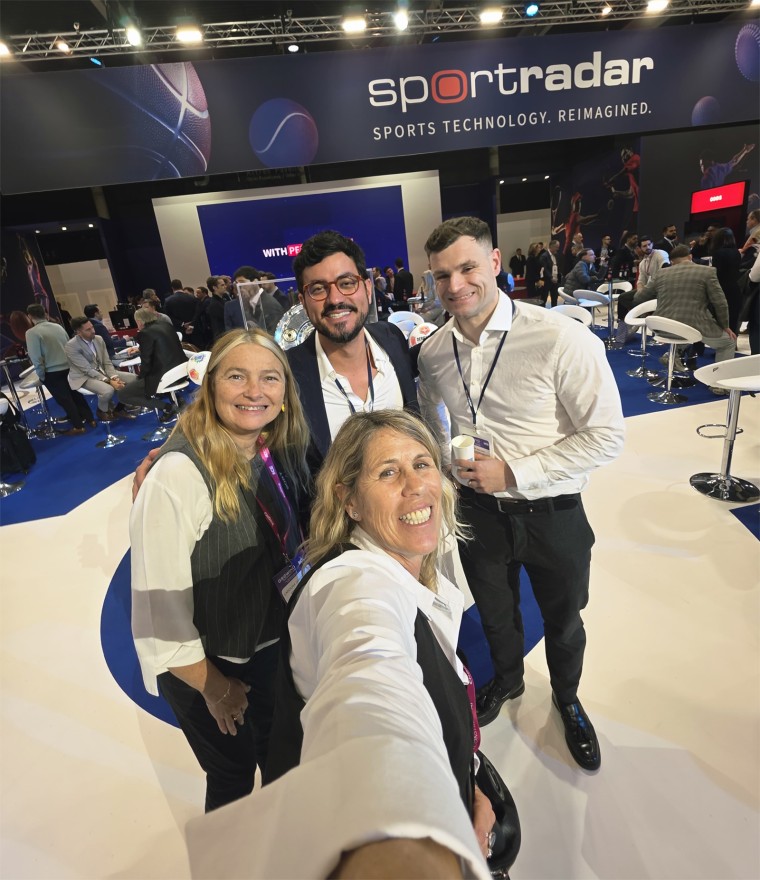
(Barcelona, SoloAzar Exclusive).- During ICE Barcelona 2026, where industry leaders gathered to discuss the future of gaming and sports betting, Rodrigo Cambiaghi, Senior Sales Executive for Digital Advertising at Sportradar, shared his perspective on how the 2026 FIFA World Cup is reshaping advertising strategies. In this interview, he explains why real-time data, automation and regulatory alignment are replacing mass exposure, and how major tournaments are accelerating a shift toward more precise, accountable and performance-driven sports advertising.
How is the 2026 World Cup reshaping advertising strategies in sports betting?
The 2026 World Cup is accelerating a structural shift in how sports betting operators approach advertising. Historically, large tournaments were treated as opportunities for broad visibility, with heavy investment in sponsorships and static placements. What emerged clearly at ICE Barcelona is that this approach is becoming less effective in a media environment where attention is fragmented and increasingly selective.
From a commercial perspective, the World Cup remains critical. Betting intent typically increases by around 61% during the tournament, and during the group stage, first-time deposits rise by an average of 20%. For many consumers, the World Cup is also the moment when they place their first-ever bet, which makes this period especially important for acquisition strategies.
Operators are now focusing on how to engage fans during moments of emotional intensity rather than relying on prolonged exposure. Goals, key match events and turning points create short windows where engagement peaks, and advertising strategies are being designed to respond to those moments in real time. Given that the World Cup can represent 20–30% of an operator’s annual sportsbook revenue, campaigns need to be precise, responsive and scalable. This requires access to live data, dynamic creative capabilities and technology that can operate at scale without sacrificing control or compliance.

How do regulated markets influence advertising decisions during major sporting events?
Regulation has become a defining factor in advertising strategy, particularly during global events such as the World Cup. At ICE Barcelona, it was evident that operators are no longer treating regulation as a separate layer to be addressed after campaigns are designed. Instead, regulatory requirements are shaping campaign planning from the outset.
In regulated markets, operators must ensure that advertising is not only effective but also transparent, traceable and aligned with responsible marketing standards. This influences decisions on channel selection, audience targeting and creative execution. As a result, there is growing demand for advertising solutions that offer precise targeting, clear reporting and the ability to adapt quickly to local regulatory frameworks without increasing operational risk.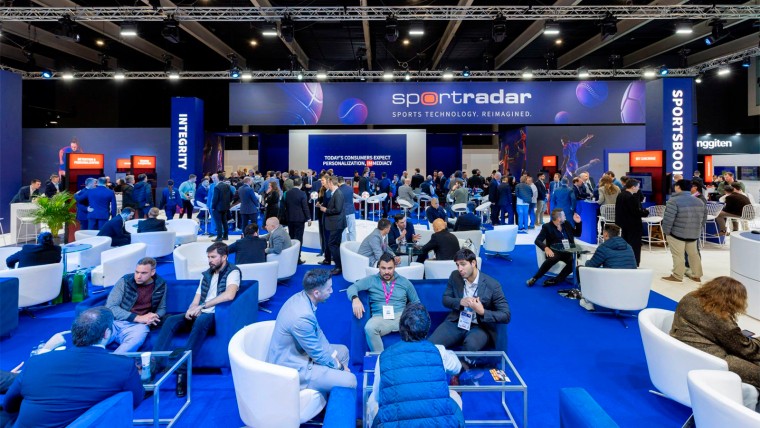
What role does data play in making advertising more relevant to fans?
Data is central to the shift toward more contextual and relevant advertising. Rather than being used solely for post-campaign analysis, data is now actively guiding how and when ads are delivered. At ICE, many operators emphasized the importance of transforming raw data into actionable insights that can be applied in real time.
Live sports data, combined with behavioral signals, allows advertisers to align messages with what fans are watching and experiencing in the moment. This is particularly important during the World Cup, when engagement levels are significantly higher and acquisition opportunities peak. Data helps reduce reliance on generic messaging and supports more personalized communication, which is essential in mature markets where consumers are increasingly selective about the content they engage with.
How does automation support large-scale advertising around events like the World Cup?
Automation is no longer viewed as a performance enhancer alone, but as essential infrastructure. The scale and intensity of the World Cup create operational demands that manual processes cannot sustain. Automation enables real-time adjustments across bidding, targeting and creative delivery, allowing campaigns to respond instantly to changes in audience behavior and match dynamics.
In this environment, operators increasingly rely on technology partners that can handle scale, complexity and compliance simultaneously. At Sportradar, we are already structured to support these demands by combining real-time sports data, automation and regulatory-ready advertising infrastructure, enabling operators to execute campaigns efficiently without compromising control or governance.
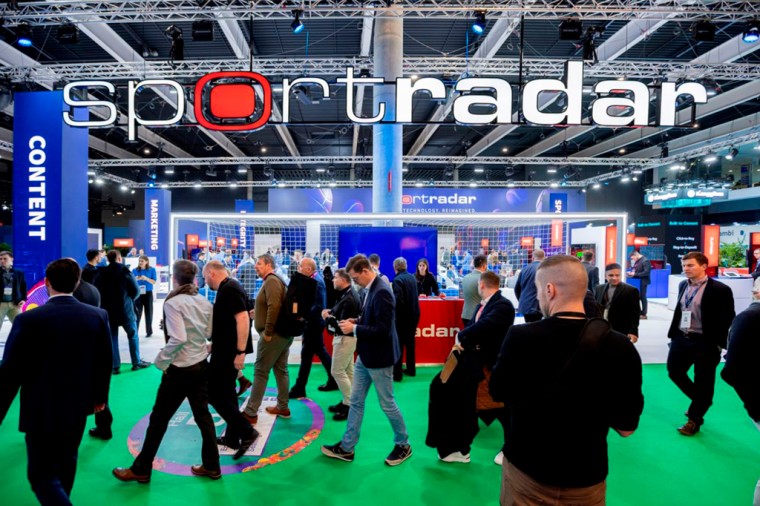
Given the commercial weight of the tournament, we typically recommend that operators increase their media investment by 80–100%, especially during the first 15 days of the competition, when betting intent and new customer acquisition are at their highest. At ICE Barcelona, automation was frequently discussed as the key to managing this intensity across multiple channels simultaneously, from display and video to audio and digital out-of-home.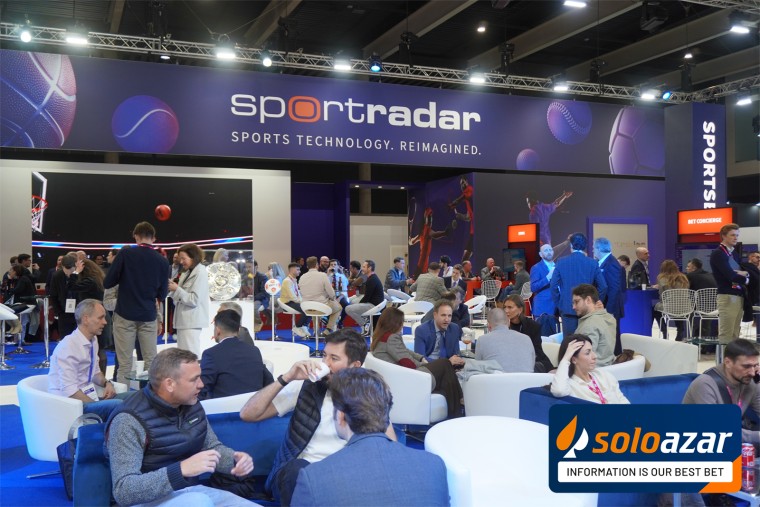
What does ICE Barcelona 2026 reveal about the future of sports advertising?
ICE Barcelona 2026 highlighted a clear evolution in sports advertising toward greater accountability and precision. The industry is moving away from volume-driven strategies and toward models that prioritize relevance, timing and measurable outcomes.
As regulation deepens and competition intensifies, advertising will increasingly be judged by its ability to deliver results while operating within defined governance frameworks. The future points to fewer, more targeted campaigns supported by data, automation and integrated platforms capable of responding to real-time events. Major tournaments such as the World Cup will continue to act as catalysts for this transformation, accelerating change and setting new standards for how sports advertising is executed.
Categoría:Events
Tags: Sportradar, ICE Barcelona,
País: Spain
Región: EMEA




Event
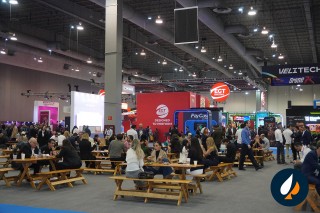

SiGMA North America 2026
01 de September 2026
LatAm Regulators Discussed Illegal Gambling and Innovation at SiGMA North America
(Mexico City, SoloAzar Exclusive).- The panel "The Red Pen Forum: Regulators Respond to the Industry," held during SiGMA North America 2026, brought together representatives from Uruguay, Argentina, Puerto Rico, and Honduras to analyze regulatory challenges, digital transformation, illegal gambling, and the need to adapt lotteries for new generations. The conference was moderated by Rodrigo Cigliutti, Executive Director of CIBELAE (Ibero-American Corporation of State Lotteries and Betting), and featured the participation of Marcelo Visconti, National Director of Lotteries and Quinielas of Uruguay; Carlos Moyano, President of IAFAS Entre Ríos, Argentina; Heidi Hernández Olivo, Deputy Secretary of the Puerto Rico Lottery; and Lissa Mencía, General Director of Lottery Operations and Games at Loto Honduras.
Monday 28 Sep 2026 / 12:00
SiGMA North America Addressed Crisis Management in iGaming
(Mexico, SoloAzar Exclusive).- During SiGMA North America 2026, Rosa Ochoa, founder of the Blue Global Gaming platform and strategic advisor for gaming operators; Iliana María Pineda Echeverri, Chief Legal & Compliance Officer at Wplay.co; Iraid Rosales, Country Manager Mexico at Amusnet; and Elizabeth Maya Cano, Executive President of CORNAZAR, analyzed the key factors in managing crisis situations within the iGaming industry, with a special focus on transparency, communication, technology, and preparation.
Friday 25 Sep 2026 / 12:00
Affiliates and Acquisition: Keys to Regulated Markets in North America
(Mexico City, SoloAzar Exclusive).- During SiGMA North America 2026, Cristopher Guzmán Reyes, Head of Affiliates at Logrand Entertainment Group; Guga Júnior, influencer and slots expert at Scalar Partners; Andrés Gómez, Head of Latin America Go-to-Market Strategy at Admattic; Yambot Aguilera, Gaming and Finance Sales Director at Google; and Paula Gabriel Jiménez, Advertising Client Growth Director for Microsoft at Aleph, analyzed the state and provincial affiliate ecosystem in North America, as well as the acquisition challenges in regulated markets.
Thursday 24 Sep 2026 / 12:00
SUSCRIBIRSE
Para suscribirse a nuestro newsletter, complete sus datos
Reciba todo el contenido más reciente en su correo electrónico varias veces al mes.