Michigan iGaming Revenue Hits USD 2.9 Billion in 2025
Tuesday 09 de June 2026 / 12:00
⏱ 3 min read
(Lansing).- Michigan’s regulated online casino sector generated USD 2.9 billion in gross gaming revenue (GGR) during 2025, marking another year of strong growth for one of the most mature iGaming markets in the United States. The performance delivered substantial public funding, with nearly USD 600 million flowing to the state and additional contributions benefiting Detroit and tribal governments, further cementing Michigan’s position among the country’s leading iGaming jurisdictions.
iGaming Revenue Climbs Nearly 32% Year-on-Year
According to figures released by the Michigan Gaming Control Board (MGCB), online casino revenue increased from USD 2.2 billion in 2024 to USD 2.9 billion in 2025, representing annual growth of almost 32%.
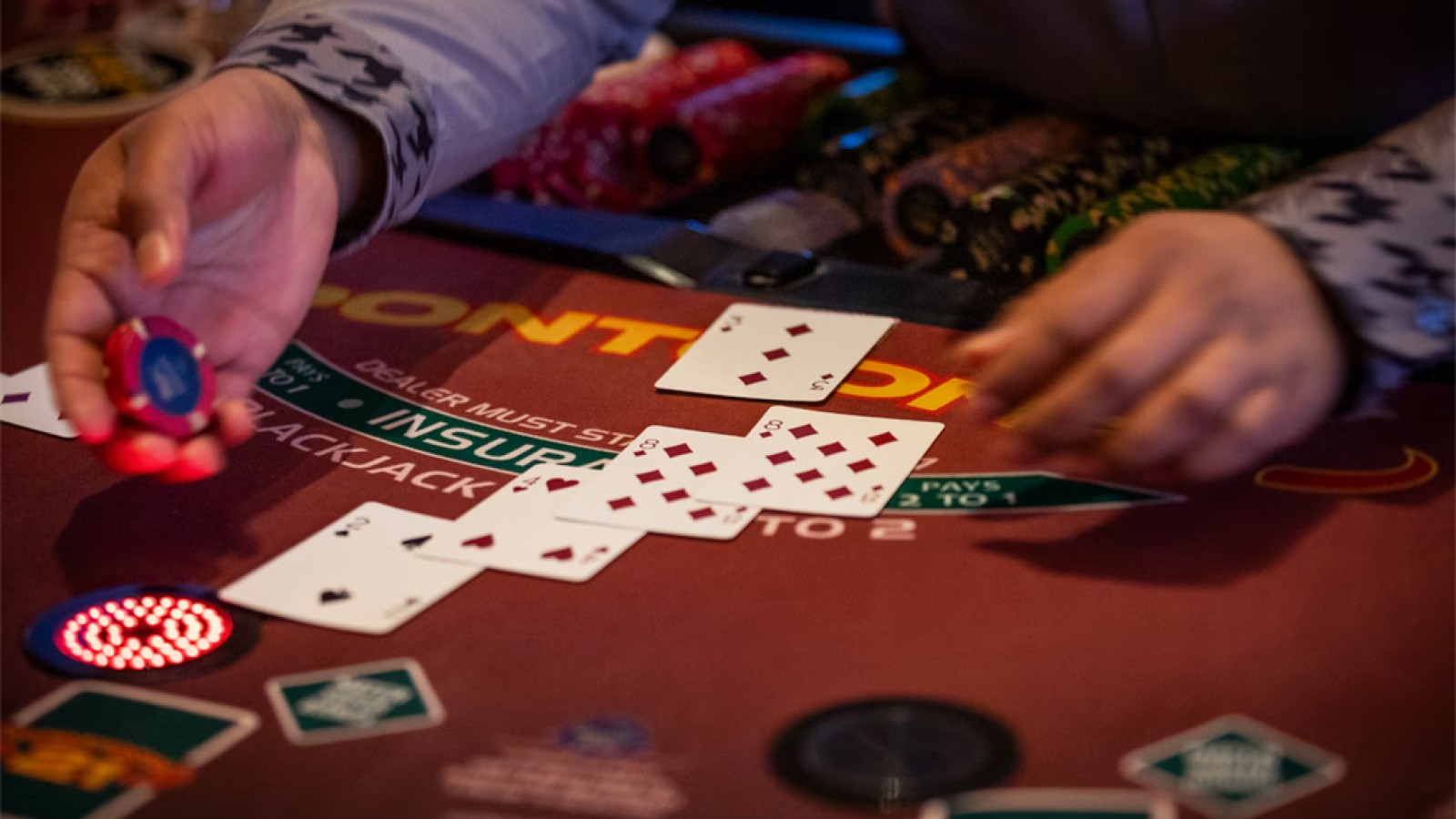
The total reflects revenue generated from online casino products, including slots, blackjack and poker, offered through partnerships between licensed digital operators and Michigan’s commercial and tribal casinos. Sports betting revenue is reported separately and is not included in the figure.
Michigan’s iGaming ecosystem currently consists of partnerships involving three Detroit-based commercial casinos and 12 tribal casinos. Since the market launched in January 2021, revenue has risen consistently, growing from USD 1.2 billion in its inaugural year to its current record level.
Michigan Strengthens Its National Standing
Among the seven U.S. states that offered legal iGaming in 2025, Michigan ranked second in revenue generation, trailing only Pennsylvania. The latest figures are further cementing the state’s reputation as one of the most successful regulated online gaming markets in North America.
Digital Adoption Continues to Drive Market Expansion
Industry stakeholders attribute the sector’s sustained growth to the increasing acceptance of regulated online gambling among consumers.
Joe Maloney, President of the Sports Betting Alliance, highlighted the importance of accessibility and regulation in attracting players.
“People understand that this is something that is now permitted, it’s legal, it’s regulated,” Maloney said.
He added that consumers are increasingly integrating online gaming and wagering into everyday entertainment activities, contributing to broader market participation.
Limited Visibility Into Player Activity
While revenue growth remains strong, the MGCB does not publish data regarding the total amount wagered, player numbers, or the most popular gaming verticals. As a result, it is difficult to determine whether revenue increases are being driven by a larger player base, higher spending among existing customers, or changes in player outcomes.
MotorCity Casino Leads Operator Performance
Among all casino-operator partnerships active in Michigan, MotorCity Casino emerged as the market leader in 2025.
The Detroit-based property, which operates its online casino offering through a partnership with FanDuel, reported USD 768.1 million in iGaming revenue during the year, the highest figure recorded by any operator in the state.
Competition Intensifies Among Operators
The specific revenue-sharing arrangements between casino licensees and their digital platform partners remain undisclosed. However, the strong results achieved by leading operators demonstrate the maturity of the market and are cementing the role of online casino gaming as a major revenue driver within Michigan’s broader gambling industry.
Tax Contributions Approach USD 600 Million
The sector’s expansion translated into significant fiscal returns for public institutions.
Michigan collected USD 597.5 million in tax revenue from online gaming activities during 2025. In addition, Detroit received USD 152.6 million through wagering taxes and municipal service fees generated by the city’s commercial casinos.
Tribal governments also benefited from the industry’s performance, receiving a combined USD 71.9 million through revenue-sharing payments linked to online gaming operations.
Michigan’s iGaming tax framework applies rates ranging from 20% to 28%, depending on revenue levels. Although Governor Gretchen Whitmer proposed increasing the tax rate on operators generating more than USD 185 million in revenue to 36%, lawmakers ultimately excluded the measure from proposed state budget plans.
Funding Public Programs
Funds generated through online gaming taxes are primarily directed to Michigan’s School Aid Fund, while also supporting regulatory oversight by the MGCB and several dedicated public programs.
Additional allocations support responsible gambling initiatives and healthcare programs, highlighting the growing economic impact of the sector while cementing iGaming as a meaningful contributor to public finances.
Responsible Gaming Remains a Key Regulatory Focus
As Michigan’s online gaming market continues to expand, responsible gambling measures remain under close scrutiny.
Data from the Michigan Department of Health and Human Services shows that the average annual volume of calls to the state’s Problem Gambling Helpline increased by 171% during the five years following the launch of online wagering.
Between fiscal years 2016 and 2020, the helpline received an average of 1,336 gambling-related calls annually. Over the subsequent five-year period, that average rose to 3,627 calls per year.
Self-Exclusion Registrations Continue to Grow
Michigan also operates a voluntary self-exclusion system through its Responsible Gaming Database. As of December 31, 2025, a total of 1,644 individuals had registered to prohibit themselves from opening iGaming accounts within the state.
The growth of the sector has reinforced the importance of balancing commercial success with consumer protection initiatives, a challenge that remains central to the long-term development of regulated online gaming markets across North America. The market’s continued expansion is cementing Michigan’s status as one of the most influential iGaming jurisdictions in the United States.
Categoría:Gaming
Tags: Sin tags
País: United States
Región: North America




Event



SiGMA North America 2026
01 de September 2026
PopOK Gaming's Yo Dragon Wins Best Slot Game at SiGMA America 2026
(Douglas).- PopOK Gaming wins Best Slot Game 2026 for "Yo Dragon" at SiGMA North America Awards.
Tuesday 08 Sep 2026 / 12:00
Amusnet Reinforces LATAM Strategy with Best Live Casino Game Award
(Sofia).- Amusnet took home the prestigious Best Live Casino Game Provider 2026 award at the SiGMA North America Awards, cementing its technological excellence and growing footprint in the Latin American iGaming market. During the event, the company reaffirmed its commitment to delivering highly localized solutions and building long-term, sustainable partnerships with operators across the region.
Monday 07 Sep 2026 / 12:00
SiGMA North America 2026 Concludes with a Spotlight on AI and iGaming
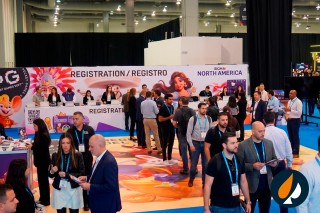
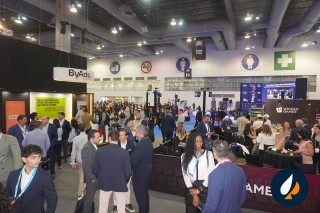
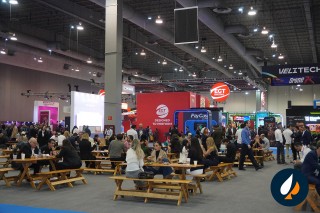
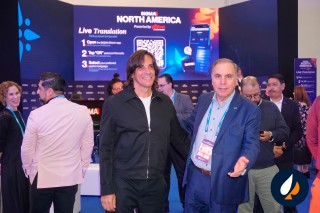
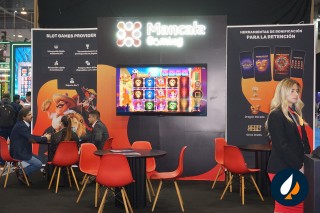
(Mexico City, SoloAzar Exclusive).- SiGMA North America 2026 concluded yesterday in Mexico City after bringing together nearly 2,250 delegates at Centro Banamex. The summit, held from September 1st to 3rd, focused on artificial intelligence (AI), innovation, collaboration between the public and private sectors, and the adaptation of global strategies to the particularities of local markets.
Friday 04 Sep 2026 / 12:00
SUSCRIBIRSE
Para suscribirse a nuestro newsletter, complete sus datos
Reciba todo el contenido más reciente en su correo electrónico varias veces al mes.