Sports Sponsorship Emerges as Model of Balanced Gambling Regulation in Ukraine
Monday 23 de February 2026 / 12:00
⏱ 2 min read
(Kyiv).- Amid strict advertising restrictions in Ukraine’s gambling sector, sports sponsorship has emerged as a constructive example of how targeted regulation can support legal operators while maintaining public safeguards. Industry observers argue that this segmented approach offers a blueprint for strengthening the regulated market without undermining responsible gaming objectives.
Current Ukrainian legislation places significant limitations on gambling advertising, leaving licensed operators with limited visibility opportunities. By contrast, illegal operators continue to promote their services without adhering to regulatory constraints, creating competitive imbalance within the market.
A Framework That Allows Responsible Visibility
Despite the broader advertising ban, Ukrainian law permits licensed gambling companies to sponsor sporting events — excluding children’s and youth sports. Operators are allowed to support professional sports teams, athletes, competitions and broadcasts, using their trademarks within this defined framework.
This exception is widely viewed as a pragmatic regulatory solution. Rather than imposing a blanket prohibition, the legislation differentiates between general public events and professional sports, where sponsorship can be structured, transparent and aligned with responsible gaming standards.
Such segmentation provides legal operators with legitimate channels for brand visibility while maintaining restrictions designed to protect vulnerable groups.
Moving Beyond “Total Prohibition”
Industry stakeholders argue that excessive prohibitions can unintentionally weaken the regulated market. When legal operators are restricted from standard promotional tools, they may struggle to compete with unlicensed platforms that operate without oversight. In turn, this can impact tax revenues, market development and consumer protection.
The sports sponsorship model demonstrates that regulation does not need to equate to prohibition. Instead, clearly defined parameters within specific segments can preserve business opportunities while ensuring compliance and oversight.
Expanding the Balanced Approach
Experts suggest that this logic could be extended to other strictly professional environments, such as industry conferences, exhibitions and round tables dedicated to the gambling sector. International events like ICE, one of the largest global gatherings for the gaming industry, illustrate how sponsorship within a specialized, adult, business-focused context can operate without targeting vulnerable audiences.
If similar events were hosted in Ukraine, proponents argue that licensed domestic operators should be allowed to participate as sponsors under regulated conditions, reinforcing transparency and industry development.
A Path Toward Sustainable Market Growth
The Ukrainian case highlights a broader regulatory principle: effective oversight is built not on multiplying bans, but on rational segmentation. By combining strict consumer protection with controlled avenues for legal promotion, authorities can foster a competitive and compliant gambling ecosystem.
As Ukraine continues refining its gambling framework, the sports sponsorship exception stands as a positive example of balanced policymaking — one that supports economic development while safeguarding social responsibility.
Categoría:Gaming
Tags: Sin tags
País: Ukraine
Región: EMEA




Event



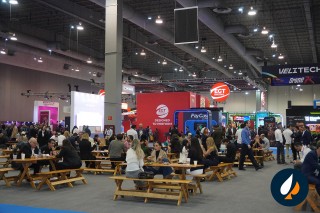

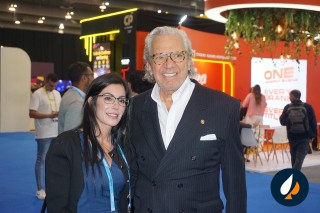
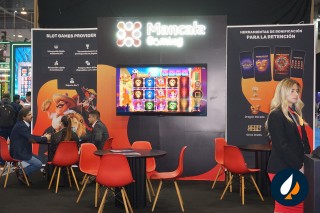
SiGMA North America 2026
01 de September 2026
LatAm Regulators Discussed Illegal Gambling and Innovation at SiGMA North America
(Mexico City, SoloAzar Exclusive).- The panel "The Red Pen Forum: Regulators Respond to the Industry," held during SiGMA North America 2026, brought together representatives from Uruguay, Argentina, Puerto Rico, and Honduras to analyze regulatory challenges, digital transformation, illegal gambling, and the need to adapt lotteries for new generations. The conference was moderated by Rodrigo Cigliutti, Executive Director of CIBELAE (Ibero-American Corporation of State Lotteries and Betting), and featured the participation of Marcelo Visconti, National Director of Lotteries and Quinielas of Uruguay; Carlos Moyano, President of IAFAS Entre Ríos, Argentina; Heidi Hernández Olivo, Deputy Secretary of the Puerto Rico Lottery; and Lissa Mencía, General Director of Lottery Operations and Games at Loto Honduras.
Monday 28 Sep 2026 / 12:00
SiGMA North America Addressed Crisis Management in iGaming
(Mexico, SoloAzar Exclusive).- During SiGMA North America 2026, Rosa Ochoa, founder of the Blue Global Gaming platform and strategic advisor for gaming operators; Iliana María Pineda Echeverri, Chief Legal & Compliance Officer at Wplay.co; Iraid Rosales, Country Manager Mexico at Amusnet; and Elizabeth Maya Cano, Executive President of CORNAZAR, analyzed the key factors in managing crisis situations within the iGaming industry, with a special focus on transparency, communication, technology, and preparation.
Friday 25 Sep 2026 / 12:00
Affiliates and Acquisition: Keys to Regulated Markets in North America
(Mexico City, SoloAzar Exclusive).- During SiGMA North America 2026, Cristopher Guzmán Reyes, Head of Affiliates at Logrand Entertainment Group; Guga Júnior, influencer and slots expert at Scalar Partners; Andrés Gómez, Head of Latin America Go-to-Market Strategy at Admattic; Yambot Aguilera, Gaming and Finance Sales Director at Google; and Paula Gabriel Jiménez, Advertising Client Growth Director for Microsoft at Aleph, analyzed the state and provincial affiliate ecosystem in North America, as well as the acquisition challenges in regulated markets.
Thursday 24 Sep 2026 / 12:00
SUSCRIBIRSE
Para suscribirse a nuestro newsletter, complete sus datos
Reciba todo el contenido más reciente en su correo electrónico varias veces al mes.