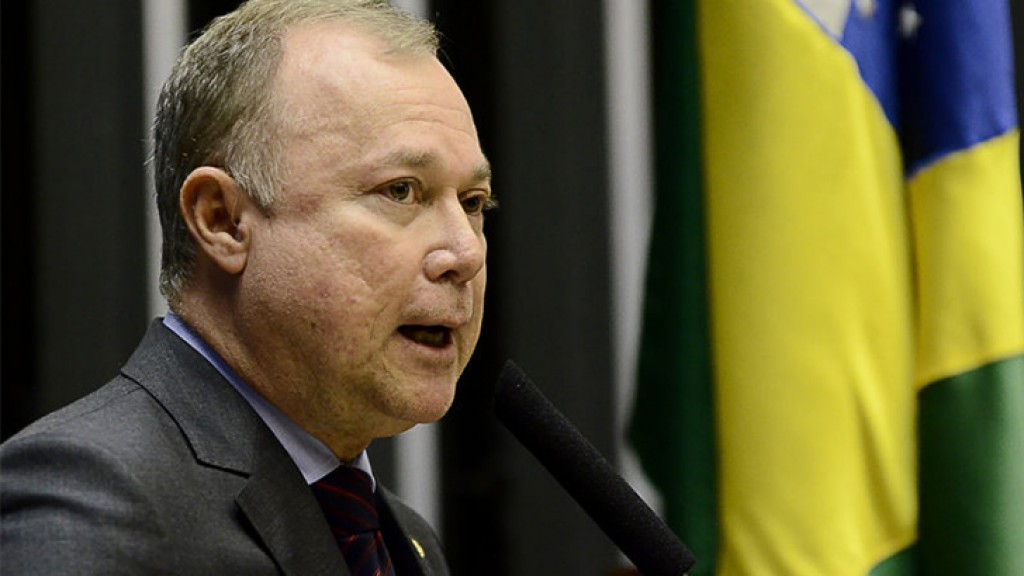
"I understand that the time has passed for Brazil to have a mature discussion about the legalization of the games, Brazil is one of the few countries in the world where the game is forbidden, in thesis, in practice it continues in hiding. It generates tax, it does not cause the people who work to be formalized with an employment contract, it causes enormous damage,” he said.
For Azi, "besides attracting taxes and generating wealth, it can generate many jobs". "I am in favor of the legalization of games, of juego del bicho, of online games, I am in favor of bingo, of course the casino has the power because it has an investment attraction, Brazil that has natural beauty, with a great possibility of tourism," he said.
The Federal Public Ministry says that the crisis in public accounts prevents the government from guaranteeing the necessary control to free the game. In that scenario, the doors to corruption would be open. The deputy, however, said that the money that would be downloaded by the casinos would be more than enough for the country to have a system of tracking, regulation and control of the games.
"With the technology that is at our disposal, it is almost impossible for that to happen, the owners themselves do not have interest that their business comes if it is used for money laundering, corruption," he added.
It is not the first time that representatives of Bahia try to legalize the games. The also federal deputy Elmar Nascimento, co-religionist of Azi, was president of the Commission of the Regulatory Framework of the Games of Chance in the Chamber. Last year, Elmar articulated meetings with the mayor of Salvador, ACM Neto, to bring three global giants of gaming.
Representatives from Sands Corporation, the MGM Mirage group and the holding company controlled by brothers Lorenzo and Frank Fertitta - all from Las Vegas - have already visited the city.