Massachusetts Senate Bill 302 Proposes Major Overhaul of Online Sports Betting Rules
Tuesday 27 de January 2026 / 12:00
⏱ 2 min read
(Boston).- Less than two years after the launch of regulated online sports betting, Massachusetts lawmakers are considering Senate Bill 302, a proposal that could dramatically reshape the state’s market through higher taxes, tighter betting limits and expanded responsible gaming requirements.
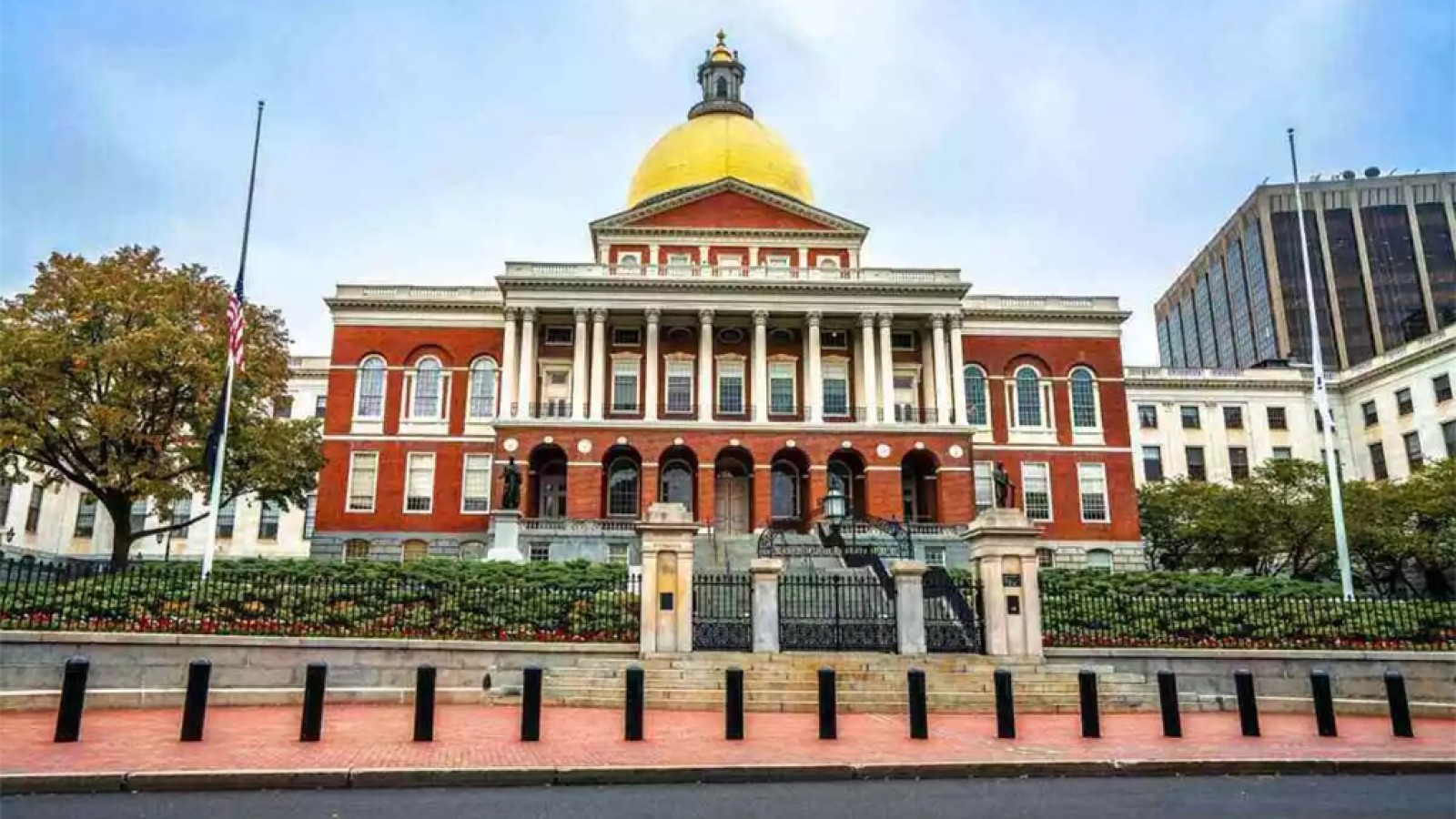
Currently under legislative review, Senate Bill 302 seeks to revise several core elements of Massachusetts’s online sports betting framework. The proposal includes a sharp increase in the mobile betting tax rate, restrictions on certain wagering formats and new obligations for operators to monitor high-spending customers, alongside tighter advertising rules.
Proposed Tax Hike Would Redefine the Market
One of the most significant provisions of the bill is the proposed increase in the online sports betting tax rate from 20% to 51%. If approved, Massachusetts would move to one of the highest tax rates among legal sports betting jurisdictions in the United States, far exceeding the mid-teens to low-30% range common in most markets.
Supporters argue that the higher tax could generate substantial additional public revenue, potentially earmarked for education, infrastructure, public health and expanded responsible gambling programs. However, industry observers caution that such a steep rate could affect sportsbook profitability, reduce promotional activity and narrow the range of betting options available to consumers.
Expanded Responsible Gaming Measures
The bill also places a strong emphasis on consumer protection. Under Senate Bill 302, in-play wagering and proposition bets would be banned, reflecting regulatory concerns that these bet types are more closely associated with impulsive and higher-risk behavior.
Advertising restrictions form another key pillar of the proposal. Sports betting ads would be prohibited during televised sporting events, a move aimed at limiting exposure among younger and more vulnerable audiences.
In addition, the legislation would eliminate VIP and host incentive programs that reward sportsbook staff based on customer wagering or deposit levels. Operators would also be required to conduct affordability checks on high-value bettors, including financial reviews for players wagering more than $1,000 per day or $10,000 per month, with betting capped at 15% of available funds.
Regulatory Ambition Versus Market Sustainability
While the proposal is designed to strengthen consumer safeguards, it has sparked debate over its potential impact on the legal market. Critics warn that a combination of a 51% tax rate, limited bet types and strict affordability requirements could discourage operator participation and innovation.
There are also concerns that overly restrictive regulation could push some players toward unlicensed offshore platforms, which operate without consumer protections or regulatory oversight.
Legislative Path Ahead
Senate Bill 302 is now moving through the Massachusetts Legislature, where committees are set to hear testimony and consider amendments ahead of a key reporting deadline. Lawmakers are expected to consult a broad range of stakeholders, including public health advocates, gaming operators and industry analysts.
As deliberations continue, revisions to the bill are likely as legislators seek a balance between robust consumer protection and maintaining a competitive, well-regulated sports betting market in Massachusetts.
Categoría:Legislation
Tags: Sin tags
País: United States
Región: North America




Event








SiGMA North America 2026
01 de September 2026
LatAm Regulators Discussed Illegal Gambling and Innovation at SiGMA North America
(Mexico City, SoloAzar Exclusive).- The panel "The Red Pen Forum: Regulators Respond to the Industry," held during SiGMA North America 2026, brought together representatives from Uruguay, Argentina, Puerto Rico, and Honduras to analyze regulatory challenges, digital transformation, illegal gambling, and the need to adapt lotteries for new generations. The conference was moderated by Rodrigo Cigliutti, Executive Director of CIBELAE (Ibero-American Corporation of State Lotteries and Betting), and featured the participation of Marcelo Visconti, National Director of Lotteries and Quinielas of Uruguay; Carlos Moyano, President of IAFAS Entre Ríos, Argentina; Heidi Hernández Olivo, Deputy Secretary of the Puerto Rico Lottery; and Lissa Mencía, General Director of Lottery Operations and Games at Loto Honduras.
Monday 28 Sep 2026 / 12:00
SiGMA North America Addressed Crisis Management in iGaming
(Mexico, SoloAzar Exclusive).- During SiGMA North America 2026, Rosa Ochoa, founder of the Blue Global Gaming platform and strategic advisor for gaming operators; Iliana María Pineda Echeverri, Chief Legal & Compliance Officer at Wplay.co; Iraid Rosales, Country Manager Mexico at Amusnet; and Elizabeth Maya Cano, Executive President of CORNAZAR, analyzed the key factors in managing crisis situations within the iGaming industry, with a special focus on transparency, communication, technology, and preparation.
Friday 25 Sep 2026 / 12:00
Affiliates and Acquisition: Keys to Regulated Markets in North America
(Mexico City, SoloAzar Exclusive).- During SiGMA North America 2026, Cristopher Guzmán Reyes, Head of Affiliates at Logrand Entertainment Group; Guga Júnior, influencer and slots expert at Scalar Partners; Andrés Gómez, Head of Latin America Go-to-Market Strategy at Admattic; Yambot Aguilera, Gaming and Finance Sales Director at Google; and Paula Gabriel Jiménez, Advertising Client Growth Director for Microsoft at Aleph, analyzed the state and provincial affiliate ecosystem in North America, as well as the acquisition challenges in regulated markets.
Thursday 24 Sep 2026 / 12:00
SUSCRIBIRSE
Para suscribirse a nuestro newsletter, complete sus datos
Reciba todo el contenido más reciente en su correo electrónico varias veces al mes.