The EU experience: Excessive restrictions on legal gambling contribute to the development of the black market
Friday 02 de May 2025 / 12:00
⏱ 3 min read
(Ukraine).- The gambling market is no exception to the general rule. Excessive restrictions on legal gambling can significantly contribute to the development of the black market, as evidenced by the experience of the European Union.

It is unlikely that anyone would argue that one of the most important tasks of the state in implementing its economic policy is to regulate business activities. For this purpose, laws are adopted, regulations are created, business rules are developed and control mechanisms are introduced to ensure that companies comply with all of the above. At the same time, the main goal of state regulation of the economy should be to ensure favourable conditions for sustainable economic development and further economic growth, achieve social stability, and increase the country's global competitiveness.
If the principles that underpin this goal are violated during the next stage of regulation, businesses tend to migrate either to the black market or to other jurisdictions. Illogical prohibitions, or those that are overly burdensome and costly to enforce, undermine market stability, deprive businesses of development resources, and directly reduce their competitiveness in both domestic and foreign markets."
The gambling market is no exception to the general rule. Excessive restrictions on legal gambling can significantly contribute to the development of the black market, as evidenced by the experience of the European Union. A number of countries, such as Italy, Spain, Greece, the Netherlands, and the United Kingdom, have introduced recently strict regulatory measures that, despite good intentions, have led to undesirable consequences.
In Italy, a total ban on gambling promotion has been introduced across television, radio, YouTube, and sports team sponsorships. These restrictions have significantly hindered the marketing efforts of legal gambling operators, making it difficult for them to compete with unregulated alternatives.
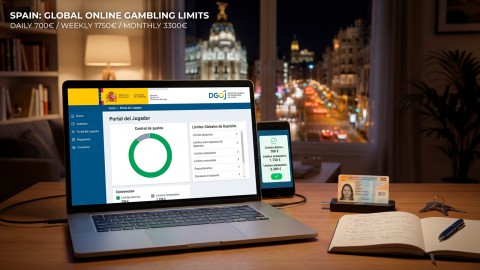
Spain has implemented a ban on gambling advertising targeting individuals aged 18 to 25, as well as restrictions on the use of celebrities in promotional campaigns. These measures have reduced the visibility of the legal market, limiting its ability to engage with a key segment of its target audience.
Greece has implemented additional entry controls for gambling venues, including mandatory identification, personal spending limits, and technical restrictions. While intended to enhance player protection, these measures create barriers for individuals concerned about sharing personal data, particularly due to fears of data breaches or misuse by criminal actors.
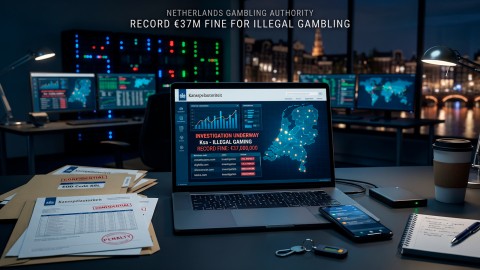
In the Netherlands and the United Kingdom, the introduction of strict access restrictions on legal gambling websites—such as more complex verification procedures and mandatory geolocation tracking—has had unintended consequences. These measures have contributed to a sharp increase in the use of illegal platforms, which offer easier, less regulated access and often operate beyond the reach of national oversight.
According to experts, the black market for gambling in the EU has grown more than sixfold (+522%) over the past five years, following the introduction of stricter regulations, including additional restrictions on advertising and player activity. Why has this happened? When legal gambling options become overly regulated, players tend to seek alternatives in the illegal sector, where such restrictions do not apply. Illegal operators attract users by offering easier access and fewer controls, but this comes at a cost: users are left without the protections and safeguards that regulated platforms provide.
This shadowing of the market has several negative consequences:
Risks for consumers: the black market has no mechanisms to protect against fraud or resolve disputes;
Loss of revenue for the state: the legal sector pays taxes, while the illegal sector evades taxation;
Undermining regulations: strict rules lose their meaning if they only encourage the transition to the shadow segment.
Regulatory measures should aim to protect consumers and promote responsible gambling, without turning into excessive control that drives players away from the legal market. As the EU experience demonstrates, overregulation often leads to "shadowing"—a phenomenon where the black market expands at the expense of the regulated sector. Government policy must therefore seek a careful balance: providing sufficient oversight to ensure safety and integrity, while avoiding unnecessary barriers that hinder legal operators and encourage users to turn to illegal alternatives. Striking this balance between regulation and market freedom is one of the central challenges in crafting effective gambling policy.
Categoría:Legislation
Tags: Sin tags
País: Ukraine
Región: EMEA




Event
iGaming tech leader Cristina Turbatu commends ICE Barcelona's vision for Hall 7
Tuesday 20 Oct 2026 / 12:00
CGA Showcases Canada’s Competitive Edge at ICE Barcelona
Tuesday 13 Oct 2026 / 12:00
ICE Barcelona Hosts WorldGaming-Backed Nineball Championship in 2027
Tuesday 06 Oct 2026 / 12:00
SUSCRIBIRSE
Para suscribirse a nuestro newsletter, complete sus datos
Reciba todo el contenido más reciente en su correo electrónico varias veces al mes.