Africa Emerges as a Strategic Growth Market for the Global Gambling Industry
Friday 08 de August 2025 / 12:00
⏱ 3 min read
(Kyiv).- Africa is quickly establishing itself as a key growth region in the global gambling industry. The continent’s accelerating economic growth, increasing urbanisation, and significant improvements in digital infrastructure have created fertile ground for international gambling operators seeking new opportunities.
Countries such as Nigeria, Kenya, and South Africa are leading this transformation in Africa, showcasing strong demand and regulatory openness that support the rise of land-based casinos, sports betting companies, and online gambling platforms. These markets are attracting significant investment and interest from global players eager to tap into Africa’s large, youthful, and increasingly connected population.
According to The Business Research Company, the global gambling market will reach $618.69 billion in 2025, and Africa plays a significant role in this growth due to the rapid development of the online segment. The main growth drivers are:legalisation of gambling;
urbanisation and the growth of the middle class;
technological progress.
South Africa remains the largest gambling market in Africa, accounting for an estimated 40–50% of the continent’s total gambling revenues. In 2023, player bets in South Africa exceeded R1.14 trillion (approximately $63.1 billion), with sports betting alone contributing around 60% of total market revenue. Although online casinos are officially prohibited, they remain widely accessible, fueling annual market growth of around 20%.
The market is regulated by the National Gambling Board (NGB), which faces several challenges—most notably, outdated legislation and regulatory gaps in the online sector. The current legal framework, based on the 2004 National Gambling Act and its 2008 amendments, does not fully address online gambling. This regulatory grey area allows some operators to function without full oversight. Additionally, tax disparities persist: online bookmakers pay significantly less tax than land-based casinos, creating an uneven competitive landscape.
In Nigeria, one of the fastest-growing gambling markets in Africa, it is projected that the industry could reach $500 million by the end of 2025. Growth is being driven by a large and youthful population, improved digital infrastructure, and the presence of both local and international gambling operators. The country has legalised sports betting, casinos, lotteries, and online gaming, all of which require a local licence—creating a foundation for both market development and regulatory oversight.
Kenya is also experiencing growth in the gambling sector, particularly following the reduction of the betting tax to 7.5%. This has attracted more operators and enabled the market to grow within a regulated framework. Kenya is considered a pioneer in mobile payments for gambling, especially through the M-Pesa platform, which has become the backbone of online betting in the country. The sports betting market is growing at 15–20% annually, and online casinos are gaining popularity, driven by gamification features and personalised offers. The country’s regulatory authority, the Betting Control and Licensing Board (BCLB), is actively working to strengthen oversight by introducing stricter licensing requirements and advertising restrictions to protect vulnerable groups.
Overall, the rapid expansion of Africa’s gambling market is outpacing regulatory initiatives. In Nigeria, Kenya, and South Africa, legislation often lags behind technological advancements and market trends. For instance, online casinos remain illegal in South Africa, yet are readily accessible via international platforms—highlighting significant regulatory gaps. In Nigeria, the lack of clear standards for online gambling increases the risk of fraud, while in Kenya, growing regulation may begin to limit innovation.
Overcoming these challenges requires close cooperation between national regulators and parliaments to harmonise legislation and introduce technological integration tools (blockchain, AI).
For Ukraine, Africa's experience is a valuable example of how the relevance of legislation to the current situation and the prompt response of legislators to dynamic changes in the market can prevent a number of fairly predictable problems that are easier to prevent than to deal with.
Categoría:Others
Tags: Sin tags
País: Ukraine
Región: EMEA




Event


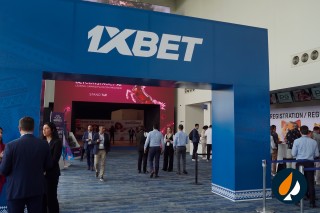







SiGMA North America 2026
01 de September 2026
LatAm Regulators Discussed Illegal Gambling and Innovation at SiGMA North America
(Mexico City, SoloAzar Exclusive).- The panel "The Red Pen Forum: Regulators Respond to the Industry," held during SiGMA North America 2026, brought together representatives from Uruguay, Argentina, Puerto Rico, and Honduras to analyze regulatory challenges, digital transformation, illegal gambling, and the need to adapt lotteries for new generations. The conference was moderated by Rodrigo Cigliutti, Executive Director of CIBELAE (Ibero-American Corporation of State Lotteries and Betting), and featured the participation of Marcelo Visconti, National Director of Lotteries and Quinielas of Uruguay; Carlos Moyano, President of IAFAS Entre Ríos, Argentina; Heidi Hernández Olivo, Deputy Secretary of the Puerto Rico Lottery; and Lissa Mencía, General Director of Lottery Operations and Games at Loto Honduras.
Monday 28 Sep 2026 / 12:00
SiGMA North America Addressed Crisis Management in iGaming
(Mexico, SoloAzar Exclusive).- During SiGMA North America 2026, Rosa Ochoa, founder of the Blue Global Gaming platform and strategic advisor for gaming operators; Iliana María Pineda Echeverri, Chief Legal & Compliance Officer at Wplay.co; Iraid Rosales, Country Manager Mexico at Amusnet; and Elizabeth Maya Cano, Executive President of CORNAZAR, analyzed the key factors in managing crisis situations within the iGaming industry, with a special focus on transparency, communication, technology, and preparation.
Friday 25 Sep 2026 / 12:00
Affiliates and Acquisition: Keys to Regulated Markets in North America
(Mexico City, SoloAzar Exclusive).- During SiGMA North America 2026, Cristopher Guzmán Reyes, Head of Affiliates at Logrand Entertainment Group; Guga Júnior, influencer and slots expert at Scalar Partners; Andrés Gómez, Head of Latin America Go-to-Market Strategy at Admattic; Yambot Aguilera, Gaming and Finance Sales Director at Google; and Paula Gabriel Jiménez, Advertising Client Growth Director for Microsoft at Aleph, analyzed the state and provincial affiliate ecosystem in North America, as well as the acquisition challenges in regulated markets.
Thursday 24 Sep 2026 / 12:00
SUSCRIBIRSE
Para suscribirse a nuestro newsletter, complete sus datos
Reciba todo el contenido más reciente en su correo electrónico varias veces al mes.