Implementing Safe Gambling Strategies: A Cornerstone in Preventing Gambling Addiction in the EU
Monday 07 de July 2025 / 12:00
⏱ 3 min read
(Kiev).- Ludomania, or gambling addiction, remains a serious social issue that negatively impacts the psychological well-being, financial stability, and social relationships of individuals.
In recent years, there has been a growing recognition across the EU of the need for a comprehensive approach to preventing this phenomenon. Rather than relying on punitive measures which often prove ineffective — EU member states are increasingly adopting safe gambling strategies that integrate regulatory frameworks, technological innovations, and educational initiatives.
One example of such an approach is the evolving gambling regulation policy in Europe. For instance, the General Directorate of Gambling Regulation in Spain (DGOJ) recently presented a draft of a new national strategy for responsible gambling for 2026-2030. DGOJ plans to improve mechanisms for monitoring the activities of gambling organisers to ensure their compliance with safe gambling standards. This includes the mandatory introduction of tools to limit the time and costs of players.
There are also plans to launch large-scale public awareness campaigns to help individuals recognise the signs of gambling addiction and understand where to seek assistance. Additionally, the strategy includes the use of digital tools to detect problem gambling behaviour. For example, gambling operators will be required to implement algorithms that monitor gambling patterns and alert players to potential risks of addiction. A key element of the strategy is collaboration with non-governmental organisations (NGOs).
The DGOJ intends to involve NGOs and associations that support individuals struggling with addiction in developing a comprehensive support system. This strategy represents a long-term approach that integrates regulatory, technological, and social measures. It aims not only to protect players, but also to reshape public perception of gambling—promoting it as a form of entertainment that demands responsible engagement.
Bulgaria also demonstrates a progressive approach to the prevention of gambling addiction, especially in the rapidly growing online gambling segment. The country's government has proposed new conditions that should protect players from gambling addiction. These measures are among the most stringent in the EU and include time and financial restrictions, as well as a forced temporary ban on gambling after exceeding the established time and money limits. In particular, players under the age of 24 are limited to 2 hours of play per day, and players over the age of 24 are limited to 4 hours. After reaching this time, the system automatically blocks the player's account until the next day. This approach is aimed at preventing excessive immersion in the game, which is one of the main reasons for the development of gambling addiction.
In terms of spending limits, individuals under the age of 24 are restricted to losses not exceeding five times the average monthly salary, while those over 24 have a limit of ten times the average salary. Once this loss threshold is reached, the player's data is automatically entered into the national self-restriction register for a period of seven days. This temporary suspension allows individuals time to reflect on their gambling behaviour and, if needed, seek professional help.
An effective modern system for preventing gambling addiction requires a combination of technological tools, robust regulation, and collaboration with gambling operators. European experience demonstrates that self-restriction registers, automated behavioural monitoring, and public education campaigns are essential components of a successful strategy.
Given the rapid growth of online gambling, these measures are becoming increasingly important—not only for ensuring player protection but also for supporting the sustainable development of the gambling industry. The current approaches adopted by EU countries offer valuable insights into the implementation of a comprehensive framework to curb the spread of gambling addiction.
Categoría:Others
Tags: Sin tags
País: Ukraine
Región: EMEA




Event








SiGMA North America 2026
01 de September 2026
LatAm Regulators Discussed Illegal Gambling and Innovation at SiGMA North America
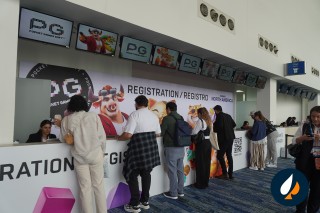
(Mexico City, SoloAzar Exclusive).- The panel "The Red Pen Forum: Regulators Respond to the Industry," held during SiGMA North America 2026, brought together representatives from Uruguay, Argentina, Puerto Rico, and Honduras to analyze regulatory challenges, digital transformation, illegal gambling, and the need to adapt lotteries for new generations. The conference was moderated by Rodrigo Cigliutti, Executive Director of CIBELAE (Ibero-American Corporation of State Lotteries and Betting), and featured the participation of Marcelo Visconti, National Director of Lotteries and Quinielas of Uruguay; Carlos Moyano, President of IAFAS Entre Ríos, Argentina; Heidi Hernández Olivo, Deputy Secretary of the Puerto Rico Lottery; and Lissa Mencía, General Director of Lottery Operations and Games at Loto Honduras.
Monday 28 Sep 2026 / 12:00
SiGMA North America Addressed Crisis Management in iGaming
(Mexico, SoloAzar Exclusive).- During SiGMA North America 2026, Rosa Ochoa, founder of the Blue Global Gaming platform and strategic advisor for gaming operators; Iliana María Pineda Echeverri, Chief Legal & Compliance Officer at Wplay.co; Iraid Rosales, Country Manager Mexico at Amusnet; and Elizabeth Maya Cano, Executive President of CORNAZAR, analyzed the key factors in managing crisis situations within the iGaming industry, with a special focus on transparency, communication, technology, and preparation.
Friday 25 Sep 2026 / 12:00
Affiliates and Acquisition: Keys to Regulated Markets in North America
(Mexico City, SoloAzar Exclusive).- During SiGMA North America 2026, Cristopher Guzmán Reyes, Head of Affiliates at Logrand Entertainment Group; Guga Júnior, influencer and slots expert at Scalar Partners; Andrés Gómez, Head of Latin America Go-to-Market Strategy at Admattic; Yambot Aguilera, Gaming and Finance Sales Director at Google; and Paula Gabriel Jiménez, Advertising Client Growth Director for Microsoft at Aleph, analyzed the state and provincial affiliate ecosystem in North America, as well as the acquisition challenges in regulated markets.
Thursday 24 Sep 2026 / 12:00
SUSCRIBIRSE
Para suscribirse a nuestro newsletter, complete sus datos
Reciba todo el contenido más reciente en su correo electrónico varias veces al mes.