Betting ban generates negative assessment within campaign
Provisional Measure No. 1,394/2026 ordered the suspension of betting operators in Brazil and established that websites and apps would cease operating as of October 6. Bettors had until October 5 to voluntarily withdraw funds held on the platforms.
The decision was announced on September 25, just nine days before the first-round vote, held on October 4.
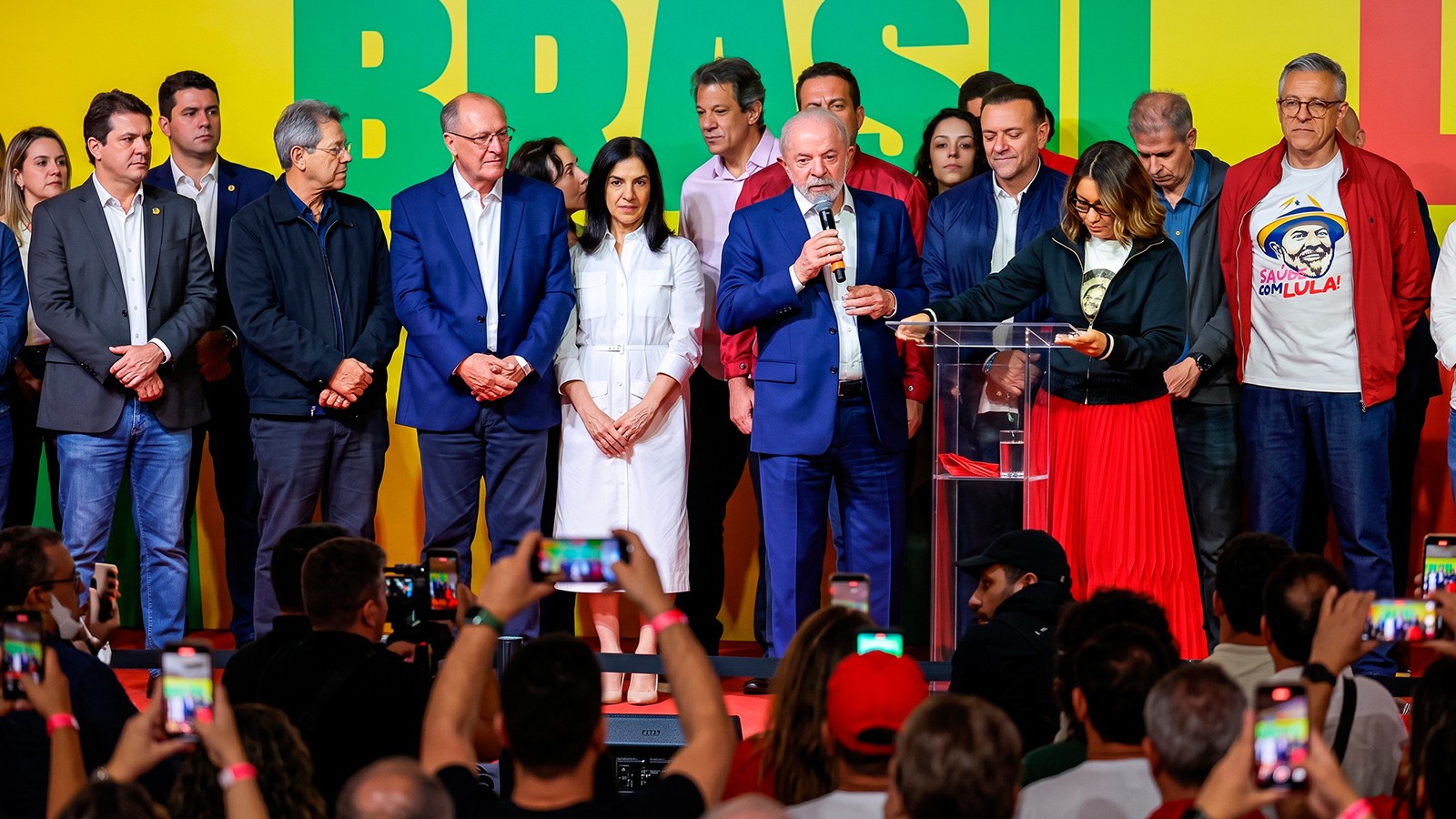
According to members of the campaign quoted by O Globo, the proximity between the ban and the election turned the measure into a potential source of electoral backlash. Social media monitoring reportedly identified influencers with reach among lower-income sectors encouraging tactical voting for Flávio Bolsonaro in response to the betting ban.
The assessment comes in a context in which Brazil’s regulated betting market had been established through legislation approved during Lula’s own administration.
Decision caused internal divisions
The full betting ban also reportedly generated disagreements within the campaign’s political core.
According to the information published, Communications Secretariat Minister Sidônio Palmeira and First Lady Janja da Silva were among the main supporters of a complete ban.
The assessment attributed to Sidônio was that a high-impact measure could benefit the campaign during the final stretch of the race. Janja, meanwhile, reportedly believed the ban would receive particularly strong support among female voters. Other members of Lula’s political circle reportedly viewed the decision as radical and electorally risky.
Betting and football enter the electoral debate
One of the main side effects highlighted during the discussions was the impact on Brazilian football, which is closely connected to the betting market through sponsorship agreements.
Clubs and sports organizations reacted to the measure, while commercial contracts with betting operators began to be reviewed or suspended. In 2025, betting sponsorships generated approximately R$1.03 billion for Série A clubs, according to a market survey.
The reaction from the sports sector also acquired a political dimension. Flávio Bolsonaro criticized the ban and advocated distinguishing sports betting from online casinos, while also questioning the measure’s impact on clubs’ sponsorship agreements.
The discussion took place alongside legal and political efforts by betting companies to challenge the measure. The sector began assessing strategies before the Federal Supreme Court and Congress in an attempt to overturn or modify the ban.
Regulated market loses ground in betting debate
The decision also abruptly changed the scenario created by Brazil’s regulation of fixed-odds betting.
Betting operators had been operating in a regulated environment since the implementation of the legal framework approved in 2023. The new measure, however, ordered the activity to be shut down and prohibited new financial deposits on the platforms.
The suspension comes as companies, clubs and industry organizations discuss the measure’s economic impact and possible avenues for reversal. As it is a provisional measure, its content remains subject to consideration by Congress and may be amended during the legislative process.
Ban could drive bettors toward the illegal market
Another concern for the sector is the potential migration of bettors to unlicensed platforms.
The interruption of legal operations comes as Brazilian authorities have also stepped up enforcement against unauthorized websites. During the first week following the provisional measure, more than 10,000 illegal platforms were referred for blocking, while the government intensified action against betting advertising and promotion on social media.
The risk of growth in the illegal market is one of the arguments presented by the sector against a blanket ban, given the possibility that users could migrate to operators without consumer protection mechanisms or regulatory oversight.
Electoral impact remains a campaign assessment
The assessment by members of Lula’s campaign should be distinguished from evidence establishing a causal relationship between the betting ban and the election result.
A PoderData/AYA poll conducted between September 30 and October 2, before the first round, showed that 52% of respondents supported the betting ban. At the same time, 43% said the measure benefited Lula’s candidacy, while 31% believed it harmed him.
In the first round, held on October 4, Flávio Bolsonaro received more valid votes than Lula, sending the election to a second round.
Against this backdrop, Lula’s campaign began considering that the reaction among some bettors, influencers and football-related sectors may have contributed to the electoral performance observed.
As the suspension of betting operations enters its definitive phase on October 6, the measure’s impact on bettors, operators, clubs and other stakeholders across the betting ecosystem is likely to become increasingly relevant to the debate over the future of Brazil’s betting market.