PAGCOR asserts that alien crime syndicates, not POGOs, pose the real threat
Monday 10 de June 2024 / 12:00
⏱ 2 min read
(Philippine).-The Philippine Amusement and Gaming Corporation announced today that alien hacking and scam syndicates (AHaSS) are the real threat to national security, not the legitimate and licensed offshore gaming operators known as POGOs.

The Philippine Amusement and Gaming Corporation today said alien hacking and scam syndicates (AHaSS) are the real threat to national security, not legitimate and licensed offshore gaming operators called POGOs.
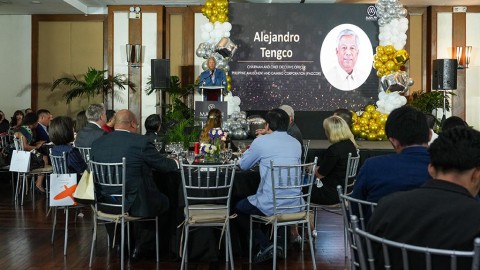
PAGCOR Chairman and CEO Alejandro H. Tengco said legitimate Internet Gaming Licensees or IGLs generate funds for the government, contributing more than Php5 billion to PAGCOR’s gross revenues in 2023.
“To us, the real threat are the alien hacking and scam syndicates who operate underground, and they are the ones that our law enforcement agencies are trying to locate and dismantle,” Mr. Tengco said. “And we are cooperating fully with the authorities in this regard.”
The PAGCOR chief also appealed to the public to report suspicious alien activities in their communities, saying that such criminal syndicates are usually armed and dangerous.
“We should not blame and demonize our licensed gaming operators because these are closely monitored by PAGCOR,” he said. “Our licensees pay taxes, and they help provide legitimate jobs and livelihood to a lot of people.”
He said that PAGCOR has imbedded monitoring teams in the physical venues of all licensed gaming operators, including land-based casinos, to ensure compliance with the terms of their licenses.
Those found violating the provisions of their licenses are meted fines and penalties and, in the most serious offenses, the licenses are revoked and their bonds forfeited, Mr. Tengco said.
“We do not need to outlaw POGOs; what we need to do is intensify anti-crime operations against suspected alien hackers, against scammers and cyber-criminals who are usually hiding in highly secured buildings and compounds,” he said.
“These criminal syndicates are not engaged in offshore gaming at all, and even if they are, they are doing it illegally.
“So they are the real threat, and we must go after them with everything that we have,”
Mr. Tengco said.
Categoría:Others
Tags: Sin tags
País: Philippines
Región: Asia




Event
iGaming tech leader Cristina Turbatu commends ICE Barcelona's vision for Hall 7
Tuesday 20 Oct 2026 / 12:00
CGA Showcases Canada’s Competitive Edge at ICE Barcelona
Tuesday 13 Oct 2026 / 12:00
ICE Barcelona Hosts WorldGaming-Backed Nineball Championship in 2027
Tuesday 06 Oct 2026 / 12:00
SUSCRIBIRSE
Para suscribirse a nuestro newsletter, complete sus datos
Reciba todo el contenido más reciente en su correo electrónico varias veces al mes.