Speaking on November 26 at the British Amusement Catering Trade Association (Bacta) Annual Convention, Ian Angus, Director of Policy at the Gambling Commission, framed the speech around a sector navigating shifting tax and policy pressures alongside evolving oversight. While noting that taxation decisions sit with Government rather than the regulator, Angus emphasized ongoing engagement with industry and pointed to local licensing developments—including a November 2 policy paper from the Ministry of Housing, Communities and Local Government touching on the "aim to permit" in the Gambling Act 2005 and the imminent arrival of Gambling Impact Assessments.
Market Performance vs. Commercial Reality
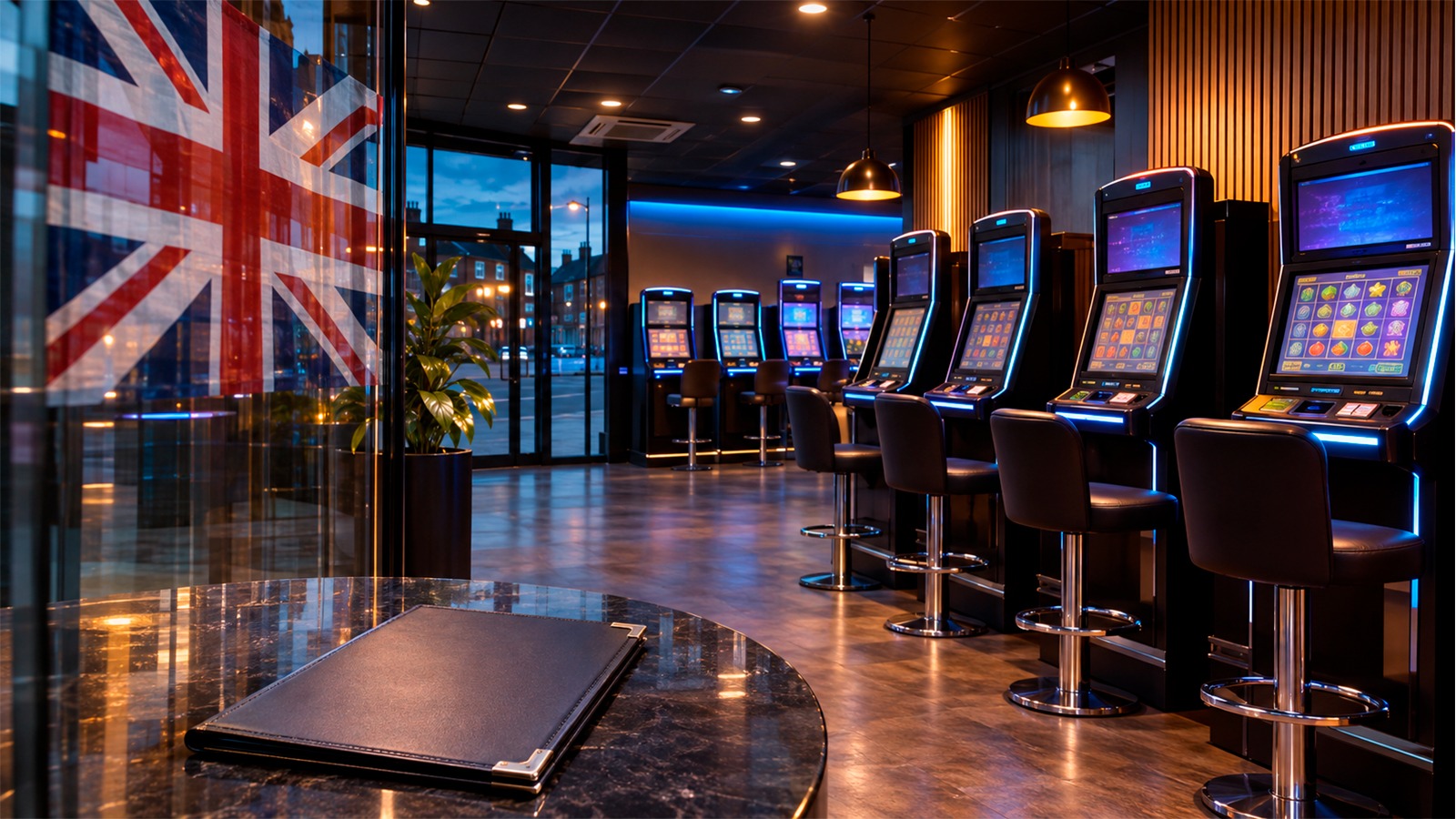
Angus noted that while headline figures show Adult Gaming Centres (AGCs) outperforming broader land-based trends—with AGC Gross Gambling Yield (GGY) rising 11% last financial year compared to 4.4% across Great Britain overall and 1.1% for land-based gambling as a whole, alongside AGC premises rising from 1,417 to 1,449—the numbers do not tell the whole story.
Comparing current machine gaming GGY to pre-B2 stake-cut and pre-COVID-19 levels, Angus pointed out that machine gaming remains roughly £100 million lower, while operators face mounting cost pressures and a modest net increase of 32 AGCs nationwide. "Ultimately, the data tells a much more mixed picture than what any one side of the debate is likely to tell us," Angus said, adding that the regulator wants industry input while maintaining early compliance and its core remit on safer, fairer, and crime-free gambling.
Crackdowns on Illegal Venues and Phased Machine Standards
Turning to enforcement, Angus highlighted early momentum from the three-year, £26 million government funding commitment against illegal gambling—with the first £7 million already received—supporting joint operations with police and local authorities targeting illegal machines, unlicensed casinos, money laundering, and immigration offences across cities including Manchester, Doncaster, Birmingham, Bristol, and Sheffield. Since January, the Commission has also referred more than £40 million in suspected criminal funds to partner agencies for potential asset freezing and urged operators to keep sharing intelligence.
On technical compliance, Angus recapped late-September consultation response changes to Games Machines Technical Standards, Testing Strategy, and LCCP rules for new Category B gaming machines, including:
Improved consumer access to gambling management tools and session data showing play duration and net wins or losses, which also helps licensees spot signs of gambling harm.
Responsible game design updates prohibiting celebrations for returns below stake size and banning features that let players shorten the time before a result is revealed.
Angus confirmed phased implementation engagement is underway with technical service providers, test houses, and UKAS ahead of next year.
Regulatory Burdens and Five-Year Strategy Ahead
Looking ahead, Angus noted the policy team is reviewing more than 150 individual proposals across over 100 responses from its summer call for proposals on reducing regulatory burdens. The Commission is also shaping a new five-year Corporate Strategy focused on public-interest regulation, crime and anti-money laundering (AML) supervision ahead of the UK's upcoming Financial Action Task Force (FATF) evaluation, stronger digital, data, and research capabilities, and delivery under the 4th National Lottery licence—alongside welcoming new Chair Ruth Evans and an incoming Chief Executive next year. "But before I finish, all of this change, does not mean how we want to work with all of you needs to change," Angus said. "As I’ve already said, everything we do together must start with compliance at the earliest opportunity. But from there, we want to work with you where we can to deliver safer, fairer and crime free gambling."