Florida rivals ask courts to stop online sports gambling off tribal lands
Tuesday 12 de March 2024 / 12:00
⏱ 3 min read
(Florida).- Competitors question whether the online wagers are legal when only the computer servers are on reservations and sports bets are accepted from devices anywhere in Florida.
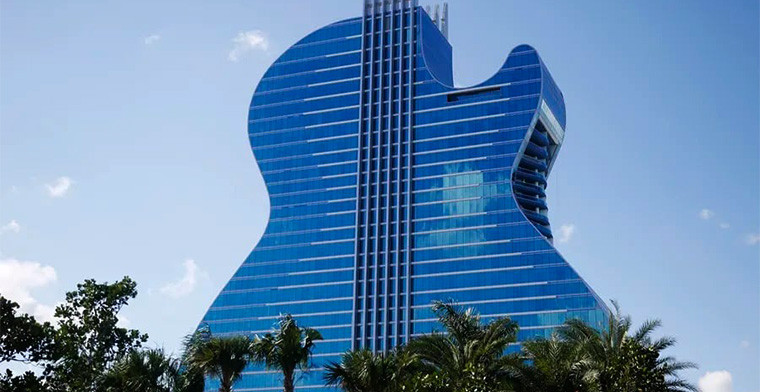
The state of Florida and the Seminole Tribe of Florida will be raking in hundreds of millions of dollars from online sports betting this decade, thanks to a compact between the tribe and Gov. Ron DeSantis that gave the tribe exclusive rights to run sports wagers as well as casino gambling on its reservations.
But are these online wagers on the outcome of sporting events legally on tribal land, when really only the computer servers are located there, accepting bets made using mobile phones and computers from anywhere in Florida?
That’s a question two of the tribe’s gaming competitors are hoping the U.S. Supreme Court will take up soon and answer with a definitive “no.”
A decision by the nation’s highest court would be of “massive importance” for the future of online gaming across the U.S., since leaving in place an appellate ruling in the tribe’s favor would set a precedent for other end-runs around state prohibitions against gaming off tribal lands, said the firms, West Flagler Associates and Bonita-Fort Myers Corporation, which operate racetracks and poker rooms in Florida.
The companies sued Deb Haaland, secretary of the U.S. Department of Interior, which oversees tribal gambling.
The U.S. Supreme Court accepts a tiny percentage of such petitions each year.
The two pari-mutuel firms say the compact signed by the governor and the tribe in 2021 gives the tribe a sports gambling monopoly and creates a “backdoor” way out of the state’s requirement, passed by voters in 2018 as an amendment to the Florida Constitution, that a citizens initiative is needed to expand casino gambling outside tribal land.
“Through this artifice, the Compact transparently attempts to get around the Florida Constitution,” the firms’ attorneys said. “The whole point of the Compact is to provide a hook for dodging Florida’s constitutional requirement of a popular referendum to approve off-reservation sports betting.”
A lot of money is at stake. The tribe launched its online sports betting operation late last year, and Florida’s share of 2024 revenues is already more than $120 million. State economic forecasters predict the revenue sharing from tribal gaming could total $4.4 billion through the end of this decade.
The pari-mutuel firms also sued DeSantis and leaders of the Florida Legislature, which authorized the compact, in a case pending before the Florida Supreme Court. The tribe argued the Legislature has the authority to decide where online gambling is initiated and the amendment doesn’t change that.
“The 2021 Compact is an historic agreement between the Tribe and State that settled years of disputes,” the Seminole Tribe said in a court filing.
The tribe now counts about 5,000 members, descended from the Native Americans who survived in the Florida Everglades, resisting federal efforts to remove them in the 19th century. The sovereign tribe operates seven casinos across Florida and owns the Hard Rock Hotel & Casinos business, with locations in 76 countries.
Attorneys for DeSantis and the legislative leaders argue sports betting is different from casino gambling and therefore isn’t prohibited by the amendment. They also note that rivals can get in on the action — and get paid a revenue share — by allowing their customers to make online bets from their properties to the tribe’s servers.
“As an important source of revenue for both the Seminole Tribe and the State — and even the Tribe’s competitors — the 2021 compact serves the public interest and has been upheld in federal court,” attorneys for DeSantis and the legislative leaders told the state justices.
The pari-mutuel firms’ latest petition before the U.S. Supreme Court was filed Feb. 8, after an appellate panel reversed a federal district court decision in their favor. If the justices don’t weigh in, Florida’s example could inspire other states to allow tribes to expand online gaming, Daniel Wallach, a South Florida attorney and sports betting law expert said in a high court brief.
Miami resident Jason Molina started sports betting recently after he learned about it from a friend. He says he loves it and has placed bets on everything from Russian slap fighting to Korean pingpong matches.
“It’s something new to my world,” Molina said. “It’s just a way to have more on the game and be more enthusiastic about it.”
Categoría:Online Games
Tags: Sin tags
País: United States
Región: North America




Event









SiGMA North America 2026
01 de September 2026
Affiliates and Acquisition: Keys to Regulated Markets in North America
(Mexico City, SoloAzar Exclusive).- During SiGMA North America 2026, Cristopher Guzmán Reyes, Head of Affiliates at Logrand Entertainment Group; Guga Júnior, influencer and slots expert at Scalar Partners; Andrés Gómez, Head of Latin America Go-to-Market Strategy at Admattic; Yambot Aguilera, Gaming and Finance Sales Director at Google; and Paula Gabriel Jiménez, Advertising Client Growth Director for Microsoft at Aleph, analyzed the state and provincial affiliate ecosystem in North America, as well as the acquisition challenges in regulated markets.
Thursday 24 Sep 2026 / 12:00
Jordi Sendra, CEO of Alea: "Latin America is one of our most important regions"
(Mexico City, SoloAzar Exclusive).- The CEO of Alea analyzes the company's participation in SiGMA North America, the potential of Mexico and Brazil and the growth opportunities in North America and Latin America. It also reviews the new features presented during the event, including the new sportsbook vertical and Alea Jackpot.
Wednesday 23 Sep 2026 / 12:00
CP Games at SiGMA North America: Localization, Integration, and Regional Growth
(Mexico City, SoloAzar Exclusive).- Following a successful showcase at SiGMA North America, Caio Ruiz, Head of Growth and Strategic Partnership at CP Games, reflects on the event's key takeaways. He discusses the critical need for localized strategies across the Americas, the importance of flexible technical integrations, and the company's next steps in navigating the diverse gaming landscapes of LatAm and North America.
Tuesday 22 Sep 2026 / 12:00
SUSCRIBIRSE
Para suscribirse a nuestro newsletter, complete sus datos
Reciba todo el contenido más reciente en su correo electrónico varias veces al mes.