"As long as lotteries don’t pay taxes, the gambling business won’t be properly regulated", Ukranian Gaming Council
Thursday 20 de November 2025 / 12:00
⏱ 3 min read
(Kyev).- The outlook for Ukraine’s gambling sector remains uncertain, even after recent legislative changes. Key challenges persist, including tax obligations for lotteries and the ongoing problem of illegal gambling imitations. This lack of clarity surrounding lotteries undermines their ability to contribute effectively to the state budget—leaving losses felt across the board.
In developed countries, lotteries are one of the most important sources of revenue for state budgets in the gambling sector. Abroad, this sector is actively regulated, and the state receives significant amounts from taxes and fees, which are used for the development of medicine, sports, culture, and other areas.
At the same time, the situation in Ukraine remains unclear, despite some changes, that have recently in Ukrainian legislation . The most pressing issues are the payment of taxes by lotteries and the illegal imitation of gambling. The situation with lotteries remains uncertain, which significantly reduces their potential to fill the state budget. Everyone loses from this.
The example of foreign jurisdictions shows that, with proper regulation, lotteries can be a significant source of revenue for the state budget, bringing in billions of dollars in taxes and license fees.
In the US, lotteries pay taxes ranging from 20% to 30% of GGR (gross gaming revenue) annually. These are significant funds that go towards economic development and job creation in other industries. The state can also use these funds to finance healthcare, education, social assistance, etc.
In European countries, lottery regulation has been in place for a long time, and in most jurisdictions, they are generally equated with gambling. In Lithuania, €41.7 million was collected in taxes on gambling and lotteries in the first half of 2025, of which €14.7 million came from lottery operators. I would like to remind you that the population of this small country is approximately 1.83 million people, which is about half the actual population of Kyiv.
Germany is another striking example. In 2024, the total economic benefit of lotteries to the budget reached approximately €3.42 billion. During the same period in the UK, the national lottery contributed around £937 million (approximately €1 billion) to the country's budget.
What unites all these jurisdictions is a clear legislative framework that defines tax rates, licensing and revocation conditions, penalties for illegal activities in the field of gambling and lotteries, etc. In Ukraine, unfortunately, we cannot speak of any stability or clarity in the field of taxation of gambling or lotteries.
In our country, the lottery sector has been effectively "outlawed" for a long time, but continues to operate nonetheless. This is due to the lack of tax conditions and a licensing system for lotteries, which allows lottery operators to remain in a "gray area" without paying taxes and license fees. Moreover, by remaining in the shadows, they imitate gambling with impunity, creating difficulties for legal organizers. All this once again highlights the ineffectiveness of existing regulatory mechanisms, or simply their absence, because the lottery market could potentially become one of the most significant contributors to the state budget.
To change the situation, it is necessary to unify the tax burden on the lottery sector and create transparent and understandable licensing and regulation rules. This will improve competition in the market, attract more investors and operators, and, most importantly, ensure stable budget revenues. Only with such a system will lotteries be able to realize their potential to fill the state budget, because as long as lotteries do not pay taxes according to uniform rules, there can be no talk of order in the gambling business.
Categoría:Analysis
Tags: Sin tags
País: Ukraine
Región: EMEA




Event





SiGMA North America 2026
01 de September 2026
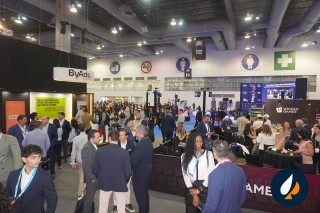
LatAm Regulators Discussed Illegal Gambling and Innovation at SiGMA North America
(Mexico City, SoloAzar Exclusive).- The panel "The Red Pen Forum: Regulators Respond to the Industry," held during SiGMA North America 2026, brought together representatives from Uruguay, Argentina, Puerto Rico, and Honduras to analyze regulatory challenges, digital transformation, illegal gambling, and the need to adapt lotteries for new generations. The conference was moderated by Rodrigo Cigliutti, Executive Director of CIBELAE (Ibero-American Corporation of State Lotteries and Betting), and featured the participation of Marcelo Visconti, National Director of Lotteries and Quinielas of Uruguay; Carlos Moyano, President of IAFAS Entre Ríos, Argentina; Heidi Hernández Olivo, Deputy Secretary of the Puerto Rico Lottery; and Lissa Mencía, General Director of Lottery Operations and Games at Loto Honduras.
Monday 28 Sep 2026 / 12:00
SiGMA North America Addressed Crisis Management in iGaming
(Mexico, SoloAzar Exclusive).- During SiGMA North America 2026, Rosa Ochoa, founder of the Blue Global Gaming platform and strategic advisor for gaming operators; Iliana María Pineda Echeverri, Chief Legal & Compliance Officer at Wplay.co; Iraid Rosales, Country Manager Mexico at Amusnet; and Elizabeth Maya Cano, Executive President of CORNAZAR, analyzed the key factors in managing crisis situations within the iGaming industry, with a special focus on transparency, communication, technology, and preparation.
Friday 25 Sep 2026 / 12:00
Affiliates and Acquisition: Keys to Regulated Markets in North America
(Mexico City, SoloAzar Exclusive).- During SiGMA North America 2026, Cristopher Guzmán Reyes, Head of Affiliates at Logrand Entertainment Group; Guga Júnior, influencer and slots expert at Scalar Partners; Andrés Gómez, Head of Latin America Go-to-Market Strategy at Admattic; Yambot Aguilera, Gaming and Finance Sales Director at Google; and Paula Gabriel Jiménez, Advertising Client Growth Director for Microsoft at Aleph, analyzed the state and provincial affiliate ecosystem in North America, as well as the acquisition challenges in regulated markets.
Thursday 24 Sep 2026 / 12:00
SUSCRIBIRSE
Para suscribirse a nuestro newsletter, complete sus datos
Reciba todo el contenido más reciente en su correo electrónico varias veces al mes.