Brazil 2026: Why Global Operators Are Eyeing the Fastest-Growing Market in the World
Wednesday 26 de November 2025 / 12:00
⏱ 3 min read
(Rio de Janeiro).– In recent years, the Brazilian market has undergone a transformation—from an unregulated wild west to a regulated success story. And global operators are watching closely. De-spite achieving full regulation only in January 2025, Brazil’s meteoric growth has already posi-tioned it among the five largest regulated gaming markets in the world, alongside the United Kingdom and the United States. Combined with a population of over 213 million—an audience largely untapped—the size of the Brazilian market and its expanding player base present vast op-portunities for international operators looking to enter the country.

As the SBC Summit Rio approaches, attention is turning to why global operators view Brazil as their next strategic focus and how the event can help consolidate positions in an accelerating expansion landscape.
Brazil’s regulated market took definitive shape in January 2025, ushering in a new era of rules, structure, and opportunity. Operators wishing to operate in the country must now comply with strict requirements such as obtaining the federal SPA license, ensuring 20% Brazilian ownership, and paying a R$ 30 million licensing fee. Initially, these conditions raised concerns—from fears of government intervention to worries about revenue loss. The unregulated market had reached R$ 120 billion (US$ 21.17 billion) in 2023, and the transition to a regulated model demanded quick adaptation.
However, since the regulated framework came into effect, positive results have stood out: growth has accelerated, operators now have a clear compliance pathway, and authorities have intensified their fight against the illegal market, removing over 15,000 illicit betting pages and shutting down 255 suspicious accounts. For licensed operators, regulation has strengthened opportunities, eliminated gray-market competition, and reinforced brand credibility.
Economic impact has also grown: more than 10,000 direct jobs and 5,500 indirect jobs have been created; 67 new professional categories have emerged; and average sector salaries have reached R$ 7,000—more than double the national average. Moreover, 65% of workers now hold a university degree and nearly half work in technical or specialized positions, indicating a professional, competitive market prepared for sophisticated and scalable operations.
Brazil’s population size, rising purchasing power, and increasing digital penetration create ideal conditions for expansion. Forecasts indicate that the Brazilian market is expected to generate R$ 37.1 billion (US$ 7.02 billion) in revenue in 2025, while GGR may rise from R$ 31 billion in 2025 to R$ 64 billion (US$ 11.3 billion) by 2030. Although still young in its regulatory journey, Brazil already generates around one-quarter of the UK's revenue—a market with decades of maturity—and is expected to consolidate itself as a global leader in the coming years.
The player base is also growing quickly. Penetration is projected to reach 9.5% by the end of 2025, and the country may reach 22.1 million bettors by 2030. ARPU is expected to reach US$ 347.95 this year, reflecting a highly engaged consumer with increasing spending power. With 98.7% of visits to legal betting sites coming from mobile devices, Brazil is clearly a mobile-first market—a huge advantage for global operators with well-established platforms and apps.
Brazil’s landscape also offers unique characteristics that further boost its attractiveness: a population passionate about football, strong receptivity to influencer marketing, and massive adoption of Pix as the main payment method. Football remains a cultural and economic driver for betting. In 2025, 18 of the 20 Serie A clubs had major sponsorships from betting companies, totaling R$ 1.1 billion in investments. This creates an unparalleled visibility ecosystem for international operators seeking immediate connection with Brazilian audiences.
Influencer marketing is one of the most effective tools: 144 million social media users represent nearly 70% of the population. Mobile-first communication and the fast, visual style of platforms such as TikTok and Instagram favor brands looking to enter the market quickly with relevance and cultural resonance.
Pix completes this cycle by offering a widely accepted, secure, low-friction payment method with instant transactions. This reduces costs, increases reliability, and facilitates both deposits and withdrawals—essential advantages for international operators seeking to win players from the first interaction.
Even with 65 licensed operators managing 171 brands, the Brazilian market is far from saturation. Low current penetration combined with a large population creates ample room for expansion. Between May and June 2025, 10 of the 13 most visited licensed operators in Brazil were international. Betano, Betfair, and KTO stood out for their rapid local adaptation, strong marketing strategy, and massive sports presence, proving that global operators can not only enter successfully but also quickly become leaders.
In summary, Brazil has established itself as one of the world’s most attractive opportunities for international operators in 2026. A regulated environment that supports growth, a highly engaged player base, mobile dominance, the power of football, and Pix efficiency create unique conditions for expansion. The country combines scale, speed, potential, and stability—a rare mix in the global iGaming landscape.
Operators can already request the free Operator Pass for SBC Summit Rio, ensuring access to three days of networking, specialized content, and business opportunities in one of the most promising markets in the world.
Categoría:Analysis
Tags: Sin tags
País: Brazil
Región: South America




Event
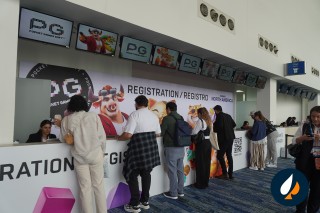


SiGMA North America 2026
01 de September 2026
"Technology can be global, but execution in LATAM must be local": Borut Leban on Timeless Tech's Regional Expansion
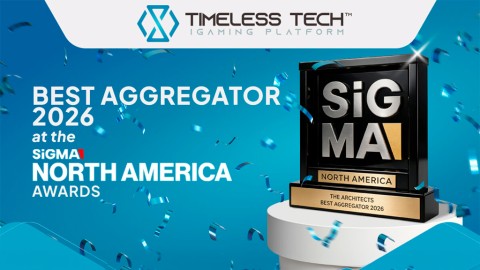
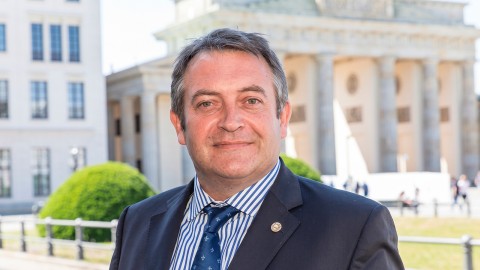
(Mexico City, SoloAzar Exclusive).- Following a highly successful showing and a 'Best Aggregator 2026' award at SiGMA North America, Timeless Tech CEO Borut Leban reflects on the company's strategic growth across LatAm. In this interview, Leban discusses the necessity of deep market localization, concrete new business opportunities, and the upcoming launch of their unified retention ecosystem, Timeless Arena.
Friday 18 Sep 2026 / 12:00
BSW Highlights Validation and Growth Opportunities in the LATAM iGaming Market
(Mexico City, SoloAzar Exclusive).- In Q&A with SoloAzar, Betting Software (BSW) Head of Digital Marketing Ilia Chumak discussed the company's standout showcase in SIGMA North America. Highlighting the incredible energy of the region, Chumak noted that the event was a major success for BSW, resulting in active negotiations and verifying multiple deals straight from their booth.
Friday 18 Sep 2026 / 12:00
SiGMA North America Explores Affiliate Marketing After Sports Events
(Mexico City, SoloAzar Exclusive).- At SiGMA North America 2026, Fernanda Figueroa, Affiliate Manager at 1win Partners, examined how affiliates can monetize sports events in LATAM beyond the initial traffic spike. During the conference “Beyond the Spike: How Affiliates Monetize Sports Events in LATAM All Year Round,” she discussed sports betting traffic, player retention, campaign localization and audience segmentation as key elements for extending the value of major sporting events.
Friday 18 Sep 2026 / 12:00
SUSCRIBIRSE
Para suscribirse a nuestro newsletter, complete sus datos
Reciba todo el contenido más reciente en su correo electrónico varias veces al mes.