Gaming and Betting in Latin America: Keys to a Responsible, Sustainable, and Legal Industry
⏱ 2 min read
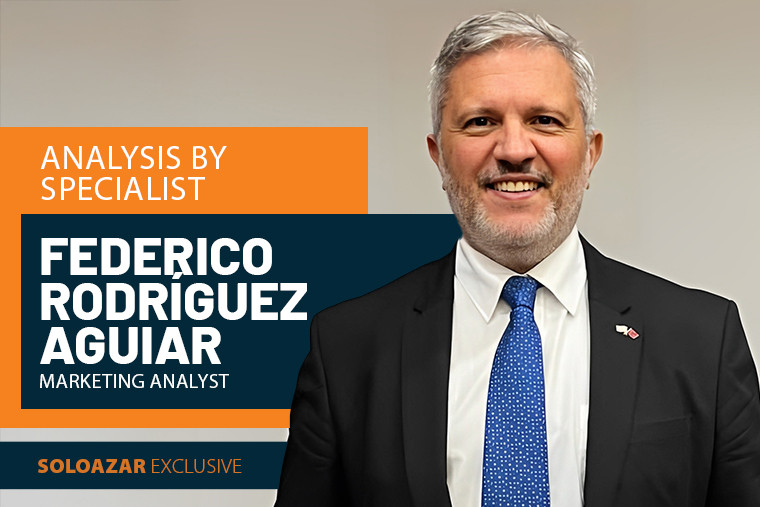
Returning from an international forum in Beijing, invited by the Chinese Ministry of Commerce, Marketing Analyst Federico Rodríguez Aguiar presents an update on the challenges, trends, and opportunities facing the gaming and betting industry in Latin America and the Caribbean.
The growth of sports betting and online gaming has opened up significant economic opportunities, but it has also brought to the table urgent challenges that require coordinated, modern, and responsible responses. It is no longer just a matter of regulating an entertainment activity: it is about defining the place this industry will occupy in our societies.
While these topics may seem repetitive, their constant presence on the agenda is no coincidence: they represent fundamental pillars that must continue to occupy a priority place in any serious discussion about the present and future of the industry.
One of the most immediate and strategic issues is the online gaming regulation. As technologies advance and digital access becomes universal, clear legal frameworks become essential. This requires local licensing, effective taxation, platform control, and institutional coordination that transcends administrative borders.
As Dr. John W. Kindt, an expert in gambling regulation, points out, "States must establish solid legal frameworks to protect their citizens and ensure that the industry operates under transparent and fair rules." Regulating online gambling not only formalizes an already existing activity; it also protects consumers, generates legitimate revenue for the state, and encourages serious investment in the sector.
Along with this process, another challenge arises that cannot be delayed: combating illegal gambling. The presence of unlicensed and uncontrolled operators represents a structural risk. These platforms, often hosted in opaque jurisdictions, evade taxes, promote irresponsible practices, and expose players to fraud, addiction, and abandonment. The fight against illegal gambling must combine technology, payment regulation, digital advertising monitoring, and citizen awareness campaigns.
But even with regulation and oversight, the gaming industry needs something deeper: integrity, transparency, and sustainability. The sector's sustainability depends on regulation incorporating addiction prevention and treatment programs.
In the words of Professor Robert Williams, a researcher in responsible gaming, "regulation must include monitoring technologies that detect problematic patterns before they become personal crises." Transparency and effective oversight are essential to ensuring the trust of users and regulators.
These three themes—modern regulation, combating illegal gambling, and sector integrity—are not independent. They feed off each other. The lack of one weakens the others. And addressing them together is what can allow the gaming industry in Latin America to move from being an expanding phenomenon to a consolidated sector, with clear rules, social responsibility, and public acceptance.
This is not about demonizing gambling or promoting it without restrictions. It's about placing it within a legal, ethical, and sustainable framework that guarantees rights, generates value, and promotes a healthy gaming culture. The maturity of this industry will come not only from its economic growth, but from its ability to align itself with the principles that make any activity viable in a democratic society: legality, equity, responsibility, and transparency.
Categoría:Analysis
Tags: Sin tags
País: Uruguay
Región: South America




Event










SiGMA North America 2026
01 de September 2026
LatAm Regulators Discussed Illegal Gambling and Innovation at SiGMA North America
(Mexico City, SoloAzar Exclusive).- The panel "The Red Pen Forum: Regulators Respond to the Industry," held during SiGMA North America 2026, brought together representatives from Uruguay, Argentina, Puerto Rico, and Honduras to analyze regulatory challenges, digital transformation, illegal gambling, and the need to adapt lotteries for new generations. The conference was moderated by Rodrigo Cigliutti, Executive Director of CIBELAE (Ibero-American Corporation of State Lotteries and Betting), and featured the participation of Marcelo Visconti, National Director of Lotteries and Quinielas of Uruguay; Carlos Moyano, President of IAFAS Entre Ríos, Argentina; Heidi Hernández Olivo, Deputy Secretary of the Puerto Rico Lottery; and Lissa Mencía, General Director of Lottery Operations and Games at Loto Honduras.
Monday 28 Sep 2026 / 12:00
SiGMA North America Addressed Crisis Management in iGaming
(Mexico, SoloAzar Exclusive).- During SiGMA North America 2026, Rosa Ochoa, founder of the Blue Global Gaming platform and strategic advisor for gaming operators; Iliana María Pineda Echeverri, Chief Legal & Compliance Officer at Wplay.co; Iraid Rosales, Country Manager Mexico at Amusnet; and Elizabeth Maya Cano, Executive President of CORNAZAR, analyzed the key factors in managing crisis situations within the iGaming industry, with a special focus on transparency, communication, technology, and preparation.
Friday 25 Sep 2026 / 12:00
Affiliates and Acquisition: Keys to Regulated Markets in North America
(Mexico City, SoloAzar Exclusive).- During SiGMA North America 2026, Cristopher Guzmán Reyes, Head of Affiliates at Logrand Entertainment Group; Guga Júnior, influencer and slots expert at Scalar Partners; Andrés Gómez, Head of Latin America Go-to-Market Strategy at Admattic; Yambot Aguilera, Gaming and Finance Sales Director at Google; and Paula Gabriel Jiménez, Advertising Client Growth Director for Microsoft at Aleph, analyzed the state and provincial affiliate ecosystem in North America, as well as the acquisition challenges in regulated markets.
Thursday 24 Sep 2026 / 12:00
SUSCRIBIRSE
Para suscribirse a nuestro newsletter, complete sus datos
Reciba todo el contenido más reciente en su correo electrónico varias veces al mes.