Why The Ukranian Market Is Not Yet Ready For Foreign Players
Wednesday 08 de April 2026 / 12:00
⏱ 2 min read
(Kyev).- Ukraine’s lottery industry remained in a legal twilight zone for 12 years, with no oversight or contributions from licensing. This article by Viktoriya Zakrevskaya analyzes the current situation of the sector.
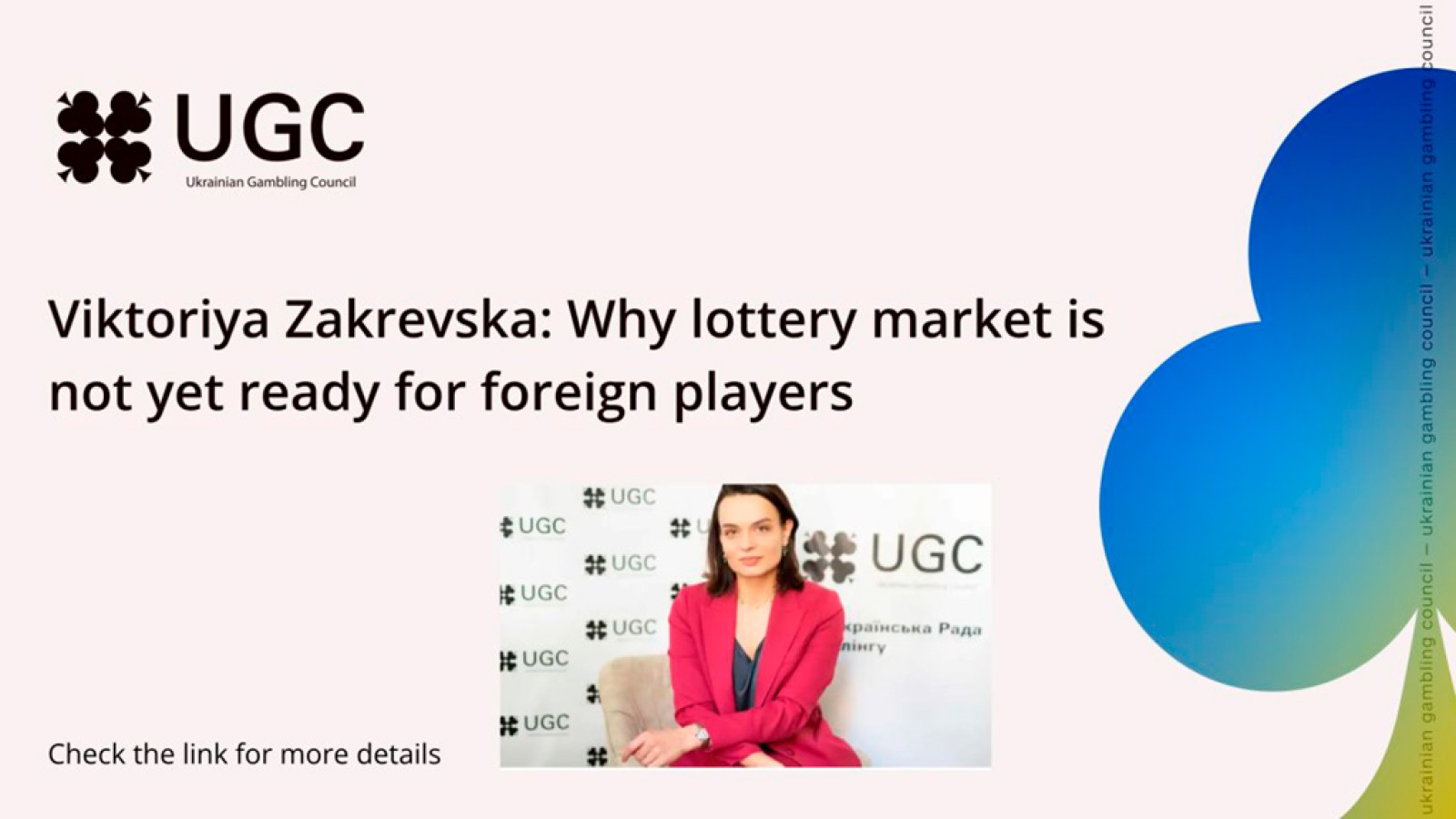
The Ukrainian lottery market operated in a legal “gray zone” for 12 years, without effective oversight or license payments. The PlayCity competition radically changed the situation by selecting three operators — “M.S.L.”, “UNL.”, and “Patriot” — which have already transferred the first UAH 72 million to the state budget (on March 26, the company “Patriot” had its license revoked due to the ultimate beneficial owner not meeting legal requirements).
International companies did not participate due to fundamental barriers established by the 2012 law. It enshrines a model that allows for only three operators and requires three years of experience in conducting state lotteries specifically in Ukraine, as well as a well-developed distribution network. The competition itself did not impose restrictions - the licensing conditions were derived from the legislative framework.
Clear standards now apply to current operators: real-time electronic reporting, QR codes on every ticket and terminal, and annual payments of UAH 24.2 million. Licenses have been issued for the duration of martial law plus one year, but for no less than three years — a compromise that allows room for change without “freezing” the market. The closed format was a forced stabilization measure. After a decade of lack of control, the priority was to restore state oversight: introduce reporting, identification, and financial discipline.
Now the foundation is ready. The Ministry of Digital Transformation and PlayCity are preparing the second stage: updating the lottery law by lowering entry barriers, transitioning to open auctions, and opening the market to international competition. This is a systemic restructuring of the architecture from a closed model to a competitive environment. The lottery sector demonstrates the logic of phased reform: first stabilization, then expansion. The closed competition restored control and delivered the first payments, creating a basis for a qualitative leap. Ukraine is choosing a systemic path, avoiding the chaos of a “rapid opening.” Ahead lies a market with equal rules, where competition determines the winners and the state maximizes transparent turnover.
By Viktoriya Zakrevskaya
Categoría:Analysis
Tags: Sin tags
País: Ukraine
Región: EMEA




Event
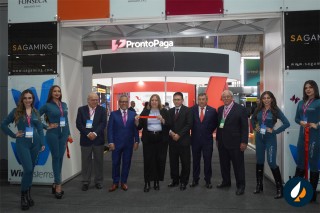
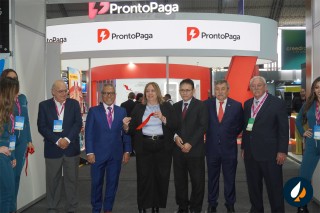
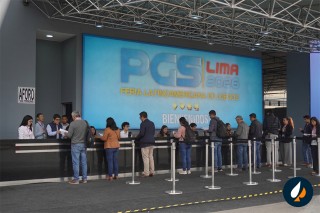
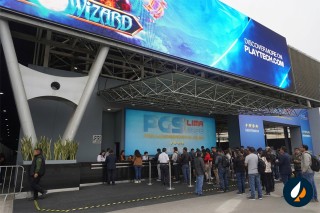
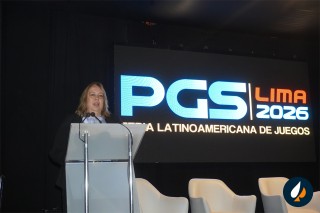
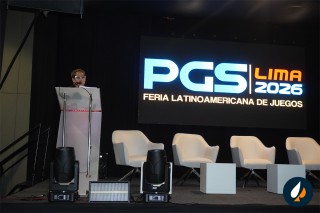
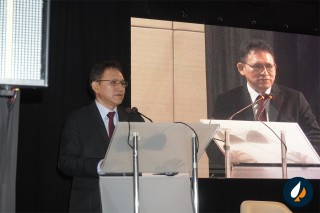
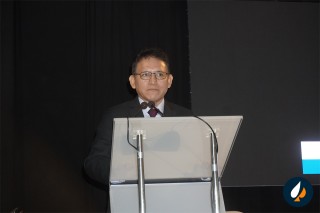
PERU GAMING SHOW – PGS 2026
17 de June 2026
ProntoPaga Consolidates Its Position at Peru Gaming Show 2026
(Lima, SoloAzar Exclusive).- Juan Carlos Loza, Head of Sales Latam at ProntoPaga, spoke exclusively after the company's participation in Peru Gaming Show 2026, highlighting the agreements reached, the interest in their payment solutions, and the expansion plans that will drive their growth across Latin America.
Monday 03 Aug 2026 / 12:00
Enhancing Responsible Gaming Through Effective Training at PGS 2026
(Lima, SoloAzar Exclusive) – Training, prevention, and technology took center stage at the "Value of Responsible Gaming in Gambling Operations" conference during the 2026 Perú Gaming Show (PGS). Presented by Fernando Calderón Castro, President of the National Gaming Society (SONAJA), the session brought industry leaders together to tackle current challenges and explore strategies for safer, more transparent, and sustainable operations.
Wednesday 22 Jul 2026 / 12:00
LSports at the Peru Gaming Show: Building Presence, Opening Doors
(Lima, SoloAzar Exclusive).- The Peru Gaming Show was never just about the booth. For LSports, it was about showing up in a market where showing up still matters — and leaving with more than a contact list. Federico Brancato, Sales Manager for the LATAM Region, came to Lima with a clear sense of what operators in this part of Latin America need most right now. What he found confirmed it.
Friday 17 Jul 2026 / 12:00
SUSCRIBIRSE
Para suscribirse a nuestro newsletter, complete sus datos
Reciba todo el contenido más reciente en su correo electrónico varias veces al mes.