Beyond Compliance: New Challenges in Anti-Money Laundering for the Gaming Industry
Thursday 09 de July 2026 / 12:00
⏱ 4 min read
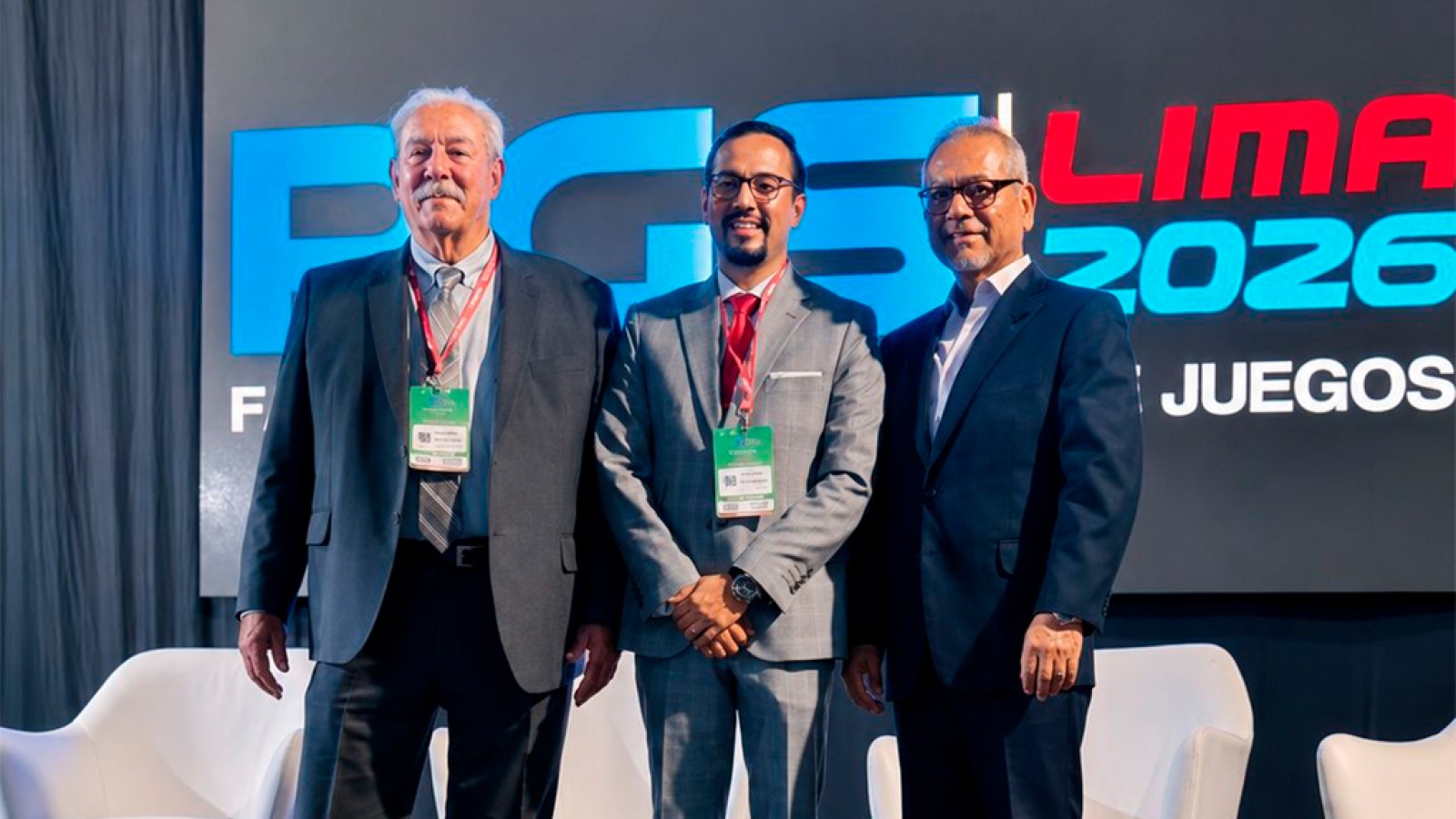
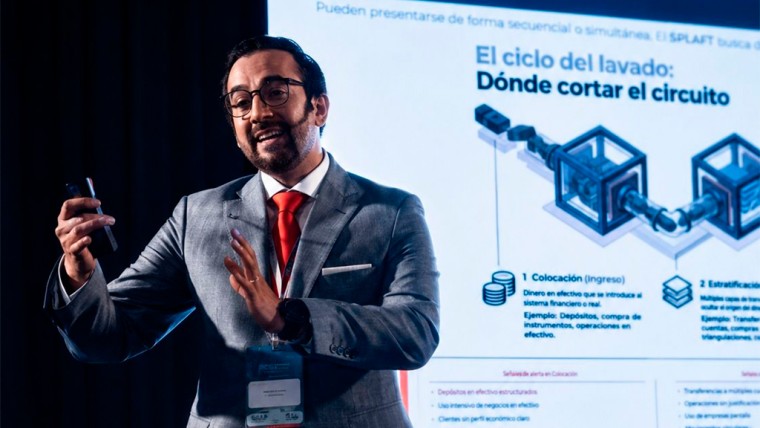
(Lima, SoloAzar Exclusive).- At Peru Gaming Show (PGS) 2026, Carlos Hermoza Horna, Founder & Managing Partner at CompliLab Legal Latam, delivered a conference focused on how anti-money laundering (AML) compliance in the gaming sector must evolve beyond regulatory obligations. His presentation highlighted the growing sophistication of financial crime, the importance of technology, and the need to build a genuine compliance culture across gaming organizations.
Compliance must be a living and demonstrable system
During his presentation, Carlos Hermoza Horna, Founder & Managing Partner at CompliLab Legal Latam, stressed that compliance can no longer rely solely on policies and documentation.
"Anti-money laundering systems are mandatory. It is not optional whether we have one or not. What we need is a prevention system that is fully alive and demonstrable during an inspection," he said.
Hermoza explained that operators must be capable of proving that their controls work in practice, not simply showing manuals or internal policies.
"The manual may look great on paper, but during an inspection we must be able to demonstrate that the system is actually working, that suspicious operations are being reported, and that regulatory requirements are being fulfilled."
Criminal risks are becoming increasingly sophisticated
One of the central themes of the conference was the rapid evolution of financial crime and the way criminal organizations are adapting to technological advances.
According to Hermoza, money laundering schemes have moved far beyond traditional cash transactions.
"Today, criminals have become more sophisticated. They no longer operate only with physical cash; they have moved into digital environments, cryptocurrencies and increasingly complex financial structures."
He warned that gaming operators must continuously adapt their monitoring systems to keep pace with these new risks.
Prevention is about protecting the business
Rather than viewing compliance as a regulatory burden, Hermoza argued that effective AML programs should be considered a strategic investment.
"Prevention means protecting the business. It means making the company sustainable over time."
He emphasized that the consequences of weak compliance extend far beyond regulatory fines.
"Companies spend years building their reputation, but it can be destroyed in seconds once a major compliance failure materializes."
Among the risks he highlighted were:
Financial penalties and license risks
Operators face fines, possible license cancellations and regulatory sanctions when AML controls fail.
Reputational damage
Loss of trust among customers, investors, suppliers and regulators can have a far greater long-term impact than any financial penalty.
"Reputational risk is probably the hardest one to recover from," Hermoza noted.
Technology is becoming an essential compliance tool
The speaker explained that compliance teams now have access to technological solutions capable of automating due diligence, sanctions screening and transaction monitoring.
"Today we have technological tools that perform due diligence, check sanctions lists, identify negative media and automate many compliance processes. We are no longer alone in this task."
He encouraged operators to implement continuous monitoring rather than relying on periodic reviews.
Everything, he said, should be measurable.
"Today everything is data. Everything can be measured and monitored, from risk management to transaction records."
Due diligence goes beyond customers
Another important point addressed during the conference was the growing regulatory focus on third-party risk.
Hermoza explained that due diligence should now include suppliers as well as customers.
"A supplier can also represent reputational and regulatory risk. That is why suppliers should also undergo proper due diligence before establishing a business relationship."
He clarified that identifying a high-risk relationship does not necessarily mean rejecting it.
"You can work with a high-risk client or supplier. The important thing is to understand the risk and control it appropriately."
Building a culture of compliance
Beyond procedures and reporting obligations, Hermoza argued that successful compliance depends on organizational culture.
He challenged companies to integrate AML awareness into everyday operations rather than treating it as an annual training exercise.
"The question is not whether we conduct training because the regulation requires it once a year. The real challenge is whether we integrate compliance into our corporate culture."
He also redefined the role of the Compliance Officer.
"Many people think the Compliance Officer is the 'bad guy,' but it is exactly the opposite. The Compliance Officer is a strategic partner who helps the company make informed decisions and continue operating while keeping risks under control."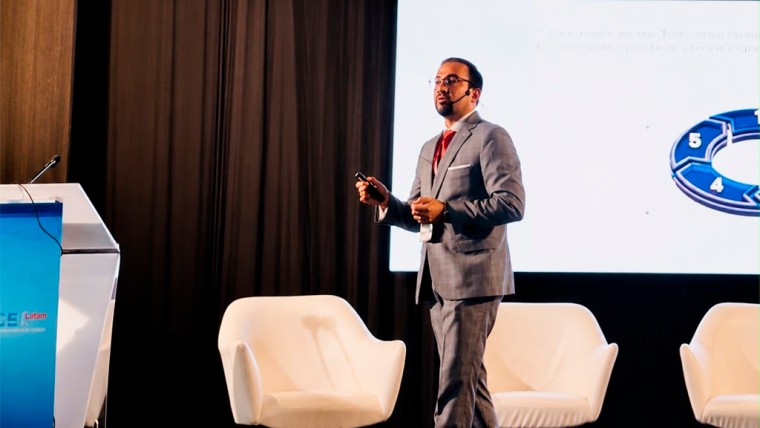
Eight recommendations for stronger AML systems
As a practical conclusion, Hermoza encouraged operators to continuously evaluate and strengthen their compliance frameworks by:
- Regularly updating internal AML policies.
- Assessing existing risks and identifying control gaps.
- Testing internal controls on an ongoing basis.
- Monitoring customer and supplier due diligence.
- Strengthening employee training throughout the year.
- Leveraging technology for transaction monitoring and screening.
- Building ethical leadership across the organization.
- Focusing on prevention rather than reacting after incidents occur.
Closing the session, Hermoza reinforced that compliance is ultimately about people and corporate values.
"Compliance is not merely a technical issue. It is about culture, ethics, integrity, education and staying one step ahead of problems. That is how companies can remain diligent, secure and sustainable over time."
Categoría:Events
Tags: Sin tags
País: Peru
Región: South America




Event










SBC Summit 2026
29 de September 2026
Ready Play Gaming Highlights New Opportunities After SBC Summit 2026
Tuesday 13 Oct 2026 / 12:00
Uplatform Brought "Your Dreams. Our Platform" to Life at SBC Summit Lisbon 2026
Friday 09 Oct 2026 / 12:00
Kambi Highlights Network and LatAm Growth at SBC Summit
Friday 09 Oct 2026 / 12:00
SUSCRIBIRSE
Para suscribirse a nuestro newsletter, complete sus datos
Reciba todo el contenido más reciente en su correo electrónico varias veces al mes.