Gaming Taxation in Latin America: Experts Warn of Excessive Levies
⏱ 4 min read
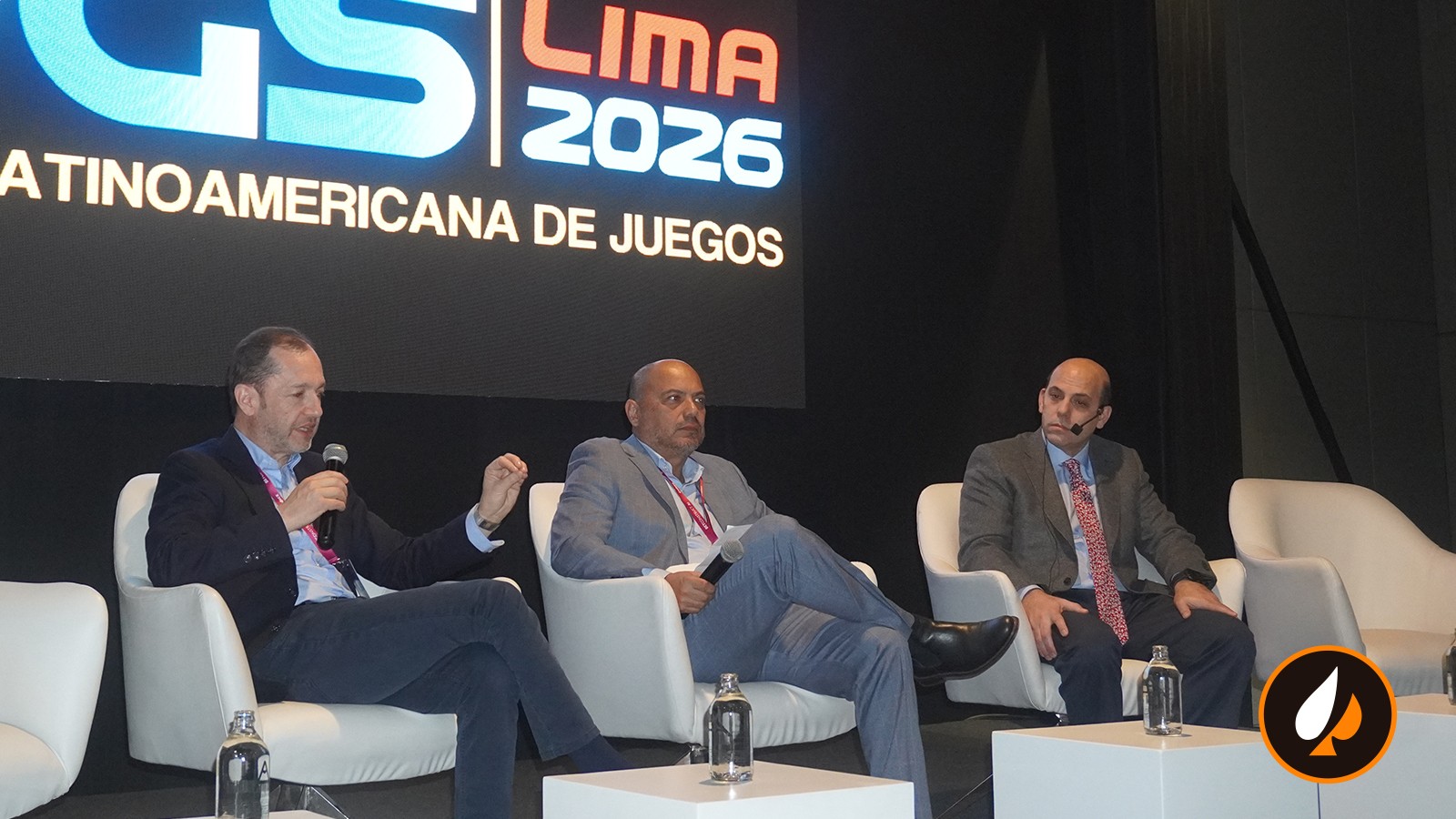
(Lima, SoloAzar Exclusive).- As part of the Peru Gaming Show (PGS) 2026, the panel “Taxation: Gaming Taxes in Latin America” brought together leading specialists to analyze the fiscal challenges facing the gaming industry in the region. Moderated by Carlos Fonseca, the discussion featured Tomás García Botta (MF Estudio) and Carlos Baeza (Baeza & Cía.). The experts agreed that excessive tax burdens not only discourage investment but also reduce channeling toward the regulated market and foster the growth of illegal offerings in various Latin American countries.
Constitutional Limits on Taxing Power
The conference began with a reflection on the constitutional mechanisms that exist in various Latin American countries to protect businesses against potential excesses of taxing authority.
Tomás García Botta, from MF Estudio, explained that Argentina has constitutional guarantees that limit state action, though he warned that their practical application often proves costly.
“There is a legal level and a practical level. Constitutional guarantees exist to protect private activity against the state’s taxing power, but many times the cost of enforcing them is a major disincentive.”
He noted that in many Argentine provinces, to challenge a tax claim one must first pay the disputed tax, immobilizing significant resources for years while the judicial process unfolds.
Chile: Concerns Over Excessive Tax Burden
A project that could affect channelization
Carlos Baeza, of Baeza & Cía., described the Chilean scenario, where the online gaming regulation project has been under discussion since 2022.
He explained that the proposal currently contemplates a tax burden of around 37.6%, far higher than in other regulated Latin American markets.
“That percentage is an absolute absurdity considering the objectives that any regulation seeks.”
Baeza reminded that regulation pursues two fundamental goals:
- Protect as many users as possible
- Maximize tax revenue
He argued that both goals become difficult to achieve when the tax burden is too high.
Peru and Constitutional Guarantees
Moderator Carlos Fonseca reviewed several Peruvian constitutional principles that limit taxing power, such as the rule of law, equality, and the prohibition of confiscatory taxes.
He recalled that Peru’s Constitutional Court once struck down a 20% tax on gross casino and slot revenues, ruling it confiscatory. He also noted that certain aspects of the current Selective Consumption Tax applied to online gaming could raise new constitutional challenges.
Can VAT Apply to Gaming?
A legal debate on the nature of the activity
One of the most technical moments of the conference focused on whether gaming could be subject to Value Added Tax (VAT).
Carlos Baeza argued that conceptually, gaming should not be taxed under VAT.
“From a conceptual standpoint, VAT should not apply to the industry.”
He explained that gaming platforms do not sell goods or provide services in the traditional sense, but rather facilitate contracts of a random nature. He criticized the inclusion of VAT in Chile’s draft bill.
“Very few countries include VAT in gaming taxation, and it is clear that those who do achieve poor results in both revenue and channelization.”
Tomás García Botta offered a more nuanced view, noting that certain activities — such as peer-to-peer poker tournaments organized by an operator — could indeed constitute a true service.
“In the case of random contracts, they clearly fall outside VAT’s scope, except for some specific cases.”
High Taxes: More Illegal Market, Less Revenue
The Laffer Curve applied to gaming in Latin America
Much of the debate centered on the relationship between tax pressure and market channelization.
Carlos Baeza recalled that international evidence shows an inverse relationship between the two.
“The higher the tax burden, the lower the channelization rate.”
He cited a study by Copenhagen Economics during Sweden’s regulatory process, which found the optimal tax burden for the gaming industry to be between 15% and 20%.
“If the goal is to collect more and protect more users, the tax burden must be reasonable.”
Bolivia and Other Latin American Examples
Carlos Fonseca used Bolivia to illustrate how excessive taxation can prevent the development of a regulated market.
He noted that Bolivia has had a legal framework for online gaming for years, but no licensed operators exist due to the high tax levels.
“You cannot prevent this activity from existing. The responsible approach is to regulate it responsibly.”
Fonseca also mentioned recent tax debates in Colombia and Brazil as examples of a regional trend toward increasing fiscal pressure on the sector.
Lack of Knowledge and Historical Prejudices
Toward the end of the panel, experts agreed that many regulatory decisions stem more from ignorance than from technical analysis.
Tomás García Botta argued that much of the problem arises from limited understanding of how the industry works.
“I believe the main driver is lack of knowledge.”
He added that the industry itself suffers from a communication deficit.
“The gaming industry generates thousands of jobs and millions in tax revenue, but it often remains one of the easiest targets when governments need resources.”
For the Argentine lawyer, academic initiatives and debate spaces like those organized during the Peru Gaming Show are essential to provide technical information to both legislators and society.
An Industry Calling for Evidence-Based Policies in Latin America
In conclusion, panelists agreed that international experience shows balanced tax policy simultaneously promotes market formalization, player protection, and increased fiscal revenue.
Despite the legal differences among Latin American countries, the consensus was clear: excessive taxes weaken the regulated market, strengthen illegal offerings, and undermine the very objectives pursued by states.
The panel’s main takeaway was that the future of gaming regulation in Latin America will depend on fiscal policies grounded in evidence rather than historical prejudices.
Watch the full conference on our YouTube channel.
Categoría:Events
Tags: PGS, Peru Gaming Show,
País: Peru
Región: South America




Event









SiGMA North America 2026
01 de September 2026
LatAm Regulators Discussed Illegal Gambling and Innovation at SiGMA North America
(Mexico City, SoloAzar Exclusive).- The panel "The Red Pen Forum: Regulators Respond to the Industry," held during SiGMA North America 2026, brought together representatives from Uruguay, Argentina, Puerto Rico, and Honduras to analyze regulatory challenges, digital transformation, illegal gambling, and the need to adapt lotteries for new generations. The conference was moderated by Rodrigo Cigliutti, Executive Director of CIBELAE (Ibero-American Corporation of State Lotteries and Betting), and featured the participation of Marcelo Visconti, National Director of Lotteries and Quinielas of Uruguay; Carlos Moyano, President of IAFAS Entre Ríos, Argentina; Heidi Hernández Olivo, Deputy Secretary of the Puerto Rico Lottery; and Lissa Mencía, General Director of Lottery Operations and Games at Loto Honduras.
Monday 28 Sep 2026 / 12:00
SiGMA North America Addressed Crisis Management in iGaming
(Mexico, SoloAzar Exclusive).- During SiGMA North America 2026, Rosa Ochoa, founder of the Blue Global Gaming platform and strategic advisor for gaming operators; Iliana María Pineda Echeverri, Chief Legal & Compliance Officer at Wplay.co; Iraid Rosales, Country Manager Mexico at Amusnet; and Elizabeth Maya Cano, Executive President of CORNAZAR, analyzed the key factors in managing crisis situations within the iGaming industry, with a special focus on transparency, communication, technology, and preparation.
Friday 25 Sep 2026 / 12:00
Affiliates and Acquisition: Keys to Regulated Markets in North America
(Mexico City, SoloAzar Exclusive).- During SiGMA North America 2026, Cristopher Guzmán Reyes, Head of Affiliates at Logrand Entertainment Group; Guga Júnior, influencer and slots expert at Scalar Partners; Andrés Gómez, Head of Latin America Go-to-Market Strategy at Admattic; Yambot Aguilera, Gaming and Finance Sales Director at Google; and Paula Gabriel Jiménez, Advertising Client Growth Director for Microsoft at Aleph, analyzed the state and provincial affiliate ecosystem in North America, as well as the acquisition challenges in regulated markets.
Thursday 24 Sep 2026 / 12:00
SUSCRIBIRSE
Para suscribirse a nuestro newsletter, complete sus datos
Reciba todo el contenido más reciente en su correo electrónico varias veces al mes.