Regulation of legal gaming is driving guests into illegality
⏱ 3 min read
(Espelkamp).- The announcement by the Berlin Senate Administration for the Economy, Energy and Operations (Senatsverwaltung für Wirtschaft, Energie und Betriebe) to close four out of five arcades has met with incomprehension by the Gauselmann Group, Germany’s largest slot machine manufacturer and arcade operator. Of the 500 arcades for which a gaming permit was applied for in Berlin in 2016, only 120 are to receive a new license. This means that approximately 380 legal operations must close. “They will die a senseless death, as this will not bring the improved player protection promised by Berlin legislators, but instead the exact opposite”, explains Manfred Stoffers, Management Board member with responsibility for Marketing, Communications and Political Affairs.
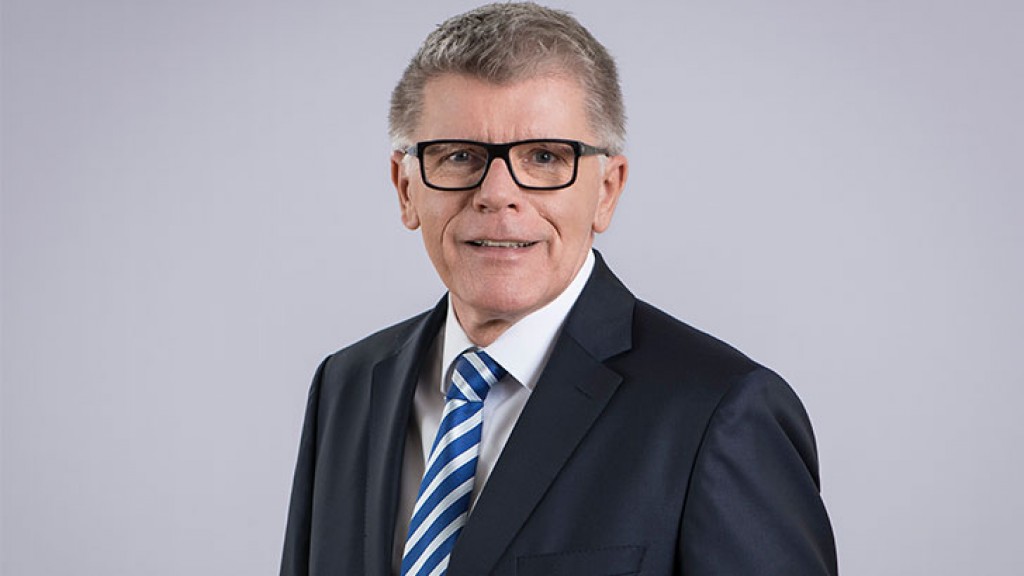
Almost all of the arcade operators that are on the “Berlin hit list” are customers of the Gauselmann Group. “They are professional coin-op machine merchants who have created jobs that are subject to compulsory social security contributions and thought that their investment in Berlin was an investment in their future”, says Stoffers. The Gauselmann Group also currently operates five arcades in Berlin. The state-ordered mass closure of arcades is good enough reason for everybody affected to be sad and angry and to direct their rage at politics. “Blustering politician-bashing is, however, just as senseless as the death of the arcades”, emphasizes Stoffers. He says that he is convinced that the topic of arcades must have been a marginal issue for political decision-makers in Berlin and that the fatal consequences of the decision were not thought through well enough. “I cannot imagine that it is the intention of Berlin politicians to take what to date has been a transparent market for commercial gaming and to leave it in future primarily to rotten profiteers or even to organised crime. The issue has developed its own bureaucratic momentum.” However, Mr Stoffers maintains that it is never too late to forge an “alliance of reason”.
And this reason is based on facts: If there are only 120 arcades with eight gaming machines each left at the end, that would be 960 slot machines for the whole of Berlin. That means that for every hundred thousand citizens of Berlin, there would be just 25 (!) slot machines in legal arcades. The average throughout Germany, however, is 170 slot machines in arcades per one hundred thousand inhabitants. “This shows the actual need. I bet that there will also be this number in Berlin, as supply always meets demand. Berlin is no different to elsewhere – however the supply there will soon no longer be legal for the most part”, explains Stoffers. He goes on to say that the ratio of legal to illegal games offerings in the capital city long ago shifted in favour of illegal gaming and this is verifiable even today. He states that this is not only a cause for extreme concern but also a massive breach of the paramount objectives of the law on gambling.
He goes on to say that by signing the State Treaty on Gambling in 2012, the Berlin Senate undertook to ensure that people’s natural desire to play is guided into legal channels. “In their hurry to impose prohibition, somebody or other obviously forgot the following truism: Anyone who wants people to play legally must allow a sufficient, legal gaming offering. Anyone who doesn’t do that is trampling all over player protection.”
However, Stoffers believes that the majority of political decision-makers cannot be accused of doing this deliberately. “Maybe we didn’t present our arguments convincingly enough. Maybe our issue was too insignificant in the jumble of politically relevant issues that it was not considered in all of its consequences.”
Regardless of what the reason may have been, the Gauselmann Group and its customers affected by the clear-out in Berlin together with the “German AWP Association” (DAW) umbrella organisation and the Regional Association of Coin-op Machine Operators in Berlin and all representatives of the sector will not give up on strenuously reminding the senate of its obligations under the State Treaty on Gambling. “Our social duty as a sector is to provide legal, high-quality games that satisfy people’s natural need to play. The desolate situation in Berlin shows how important this is. We are ready to win back terrain that has been lost to the grey and black market. Berlin only has to give us the chance to do that.”
Categoría:Gaming
Tags: Sin tags
País: Germany




Event







SBC Summit 2026
29 de September 2026
Uplatform Brought "Your Dreams. Our Platform" to Life at SBC Summit Lisbon 2026
Friday 09 Oct 2026 / 12:00
Kambi Highlights Network and LatAm Growth at SBC Summit
Friday 09 Oct 2026 / 12:00
GR8_TECH Highlights Speed and Growth at SBC Summit 2026
Friday 09 Oct 2026 / 12:00
SUSCRIBIRSE
Para suscribirse a nuestro newsletter, complete sus datos
Reciba todo el contenido más reciente en su correo electrónico varias veces al mes.