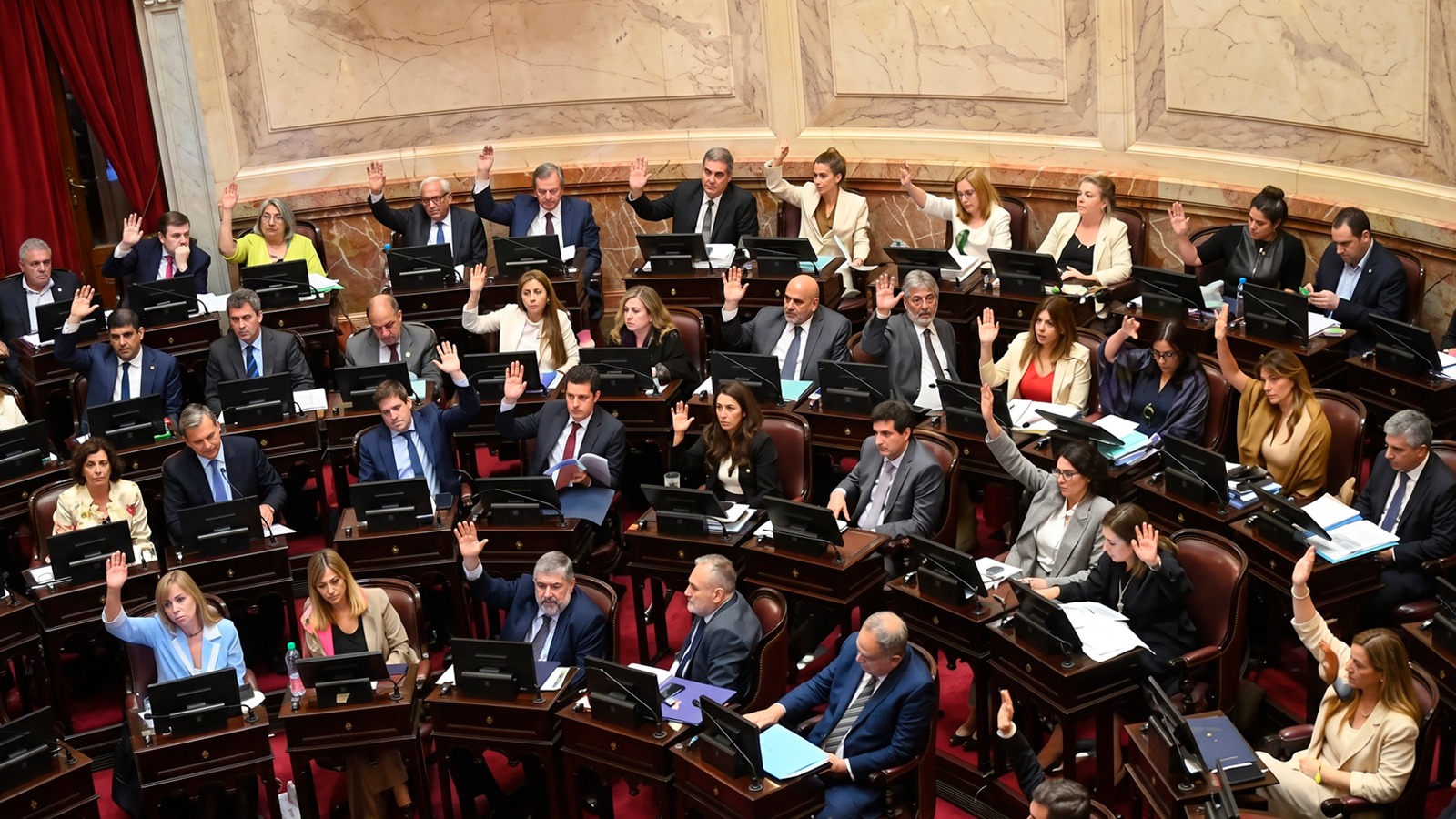
Argentina's National Senate unanimously approved on Thursday, November 26, the Law on Problem Gambling Prevention and Online Betting Regulation (Ley de Prevención de la Ludopatía y Regulación de las Apuestas Online). The initiative received the backing of all 72 senators present and became law after spending two years without floor debate in the upper chamber and while nearing the expiration of its parliamentary status.
The passage came during a marathon legislative session that also centered in part on electoral reform. In the case of problem gambling, an agreement between La Libertad Avanza and Peronism made it possible to unlock the debate and move forward with the text that had passed the lower house (Chamber of Deputies) in 2024.
Approval also came amid strong pressure from the Catholic Church, which had publicly urged lawmakers not to let the bill drop and to move ahead with regulation in response to the growth of digital betting, particularly among teenagers and young people.
What the New Law Establishes
The legislation aims to limit the exposure of children and adolescents to online betting and establish tighter controls over platforms offering internet gambling.
Key provisions include:
Advertising ban: Restricts advertising, promotion, and sponsorship of online betting across television, radio, social media, sports apparel, stadiums, and events. It also covers campaigns carried out by influencers and public figures.
Biometric controls: Platforms must verify users' identity and age through facial recognition and systems linked to RENAPER (Argentina's National Registry of Persons).
Minor protection: Prohibits access by anyone under 18 to online betting and gambling sites.
Payment method restrictions: Bars the use of credit cards or funds from social welfare benefits to place bets. Debit cards and digital wallets with available balances are permitted.
Self-exclusion registry: Creates the National Self-Exclusion Registry (ReNA), allowing people with gambling problems to request that they be blocked from entering the platforms.
Warnings and prevention: Apps must inform users about gambling risks, time spent playing, and odds of winning. Awareness campaigns and educational sessions in schools are also planned.
The law also provides for financial and criminal penalties for those operating unauthorized games of chance, with aggravated penalties when violations involve minors.
The Church's Push and the Political Agreement
One of the factors that accelerated legislative action was the push from the Argentine Episcopal Conference, which had sent a letter to senators demanding that the bill not lose its parliamentary status.
The Church warned about the consequences of the spread of digital betting among children and adolescents, pointing to cases of debt, addiction, and strained family ties.
On the political front, Patricia Bullrich led negotiations for the ruling party to break the deadlock. La Libertad Avanza and Peronism agreed to pass the original Chamber of Deputies bill and move forward, in parallel, with a complementary government-backed initiative to strengthen mechanisms against illegal gambling.
During the debate, Senator José Mayans highlighted the importance of reaching an agreement and argued that it was an issue requiring a joint response. Bullrich, meanwhile, proposed naming the legislation the "Leo XIV Law" ("Ley León XIV"), in reference to the Pope and the Church's demands.
With the unanimous vote of all 72 senators, Congress settled a discussion that had remained pending for two years. Now, the Executive Branch will have 120 days to issue implementing regulations and move forward with enforcement.