Bets in Brazil Mark One Year of a Regulated Market in 2026 Amid Advances, Oversight, and the Casino Debate
Tuesday 10 de February 2026 / 12:00
⏱ 3 min read
(Brasília).- The beginning of 2026 marks one year since the regulation of betting operators in Brazil, a period in which the gambling sector has consolidated its presence in the national economy, expanded public revenue, and intensified discussions around oversight, sports sponsorships, and the next steps on the regulatory agenda, including the legalization of land-based casinos.

Enacted at the end of 2024 and in force since January 1, 2025, Law 14,790/2023—known as the “Bets Law”—has profoundly reshaped Brazil’s iGaming market. In just twelve months, online betting moved out of a legal gray area into a defined regulatory framework, operating under authorization from the federal government through the Secretariat of Prizes and Betting of the Ministry of Finance (SPA/MF).
The new regulated environment has provided greater legal certainty for licensed platforms and strengthened the gambling sector’s role in the formal economy, while also increasing public scrutiny of its social and financial impacts.
What Changed With Regulation
Under the new legislation, betting operators must comply with a series of requirements to operate legally in Brazil. These include paying a BRL 30 million licensing fee valid for five years, an 18% tax on gross gaming revenue (GGR), and monthly supervision fees that can reach up to BRL 2 million.
The law also introduced stricter control mechanisms, such as mandatory use of CPF (tax ID) and identity verification—including facial biometrics—the prohibition of credit cards, bank slips, and cryptocurrencies, and the centralization of payments via Pix through institutions authorized by the Central Bank. Responsible gambling tools, including deposit limits, time controls, and self-exclusion, became mandatory.
Economic Impact and User Growth
The economic effects of regulation were immediate. According to data from the Ministry of Finance, betting operators generated approximately BRL 32 billion in revenue in 2025. The Federal Revenue Service reports that this volume resulted in more than BRL 8 billion in tax collection, constitutionally allocated to areas such as education, public security, and sports.
The sector’s reach also expanded rapidly. A survey by the National Confederation of Shopkeepers (CNDL) and the Credit Protection Service (SPC) indicates that around 40 million Brazilians have placed at least one bet, with an estimated 25 million considered regular bettors. At the same time, official data show more than 200,000 people registered on the Ministry of Finance’s Centralized Self-Exclusion Platform, underscoring the importance of responsible gambling policies in the regulatory debate.
Betting, Sponsorships, and Football
Among the sectors most impacted by the consolidation of betting is football. In 2025, clubs in Brazil’s top division received more than BRL 1 billion in sponsorships from betting companies. For 2026, the trend is expected to continue, as at least 15 of the 20 teams competing in the league maintain commercial agreements with betting platforms.
At the same time, the growth of sports betting has intensified attention on match integrity. In 2025, the federal government created the National Policy Working Group to Combat the Manipulation of Sports Results, tasked with developing measures to prevent fraud and preserve the credibility of competitions.
Oversight, Illegal Market, and What Comes Next
Despite the progress, the gambling sector enters 2026 facing structural challenges. Oversight of payment flows by the Central Bank remains a top priority for the government—a concern previously highlighted by President Luiz Inácio Lula da Silva. Strengthening responsible gambling tools to mitigate social harms associated with betting is another critical issue.
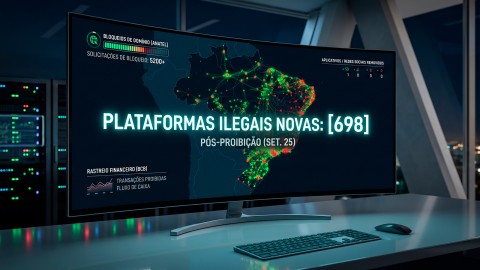
Combating the illegal market also remains central to the agenda. Estimates suggest that unlicensed sites move up to BRL 10 billion per year in Brazil without paying taxes or offering consumer protections, threatening the sustainability of the regulated market.
On the regulatory horizon, attention now turns to Bill 2,234/2022. While online casinos are already regulated as “virtual gaming,” the legalization of land-based casinos, bingo halls, and the traditional jogo do bicho is still awaiting final decisions in the Senate. The outcome of this bill is widely seen by the industry as the next major chapter in Brazil’s gambling sector.
Categoría:Legislation
Tags: Sin tags
País: Brazil
Región: South America




Event
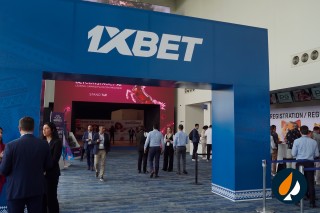

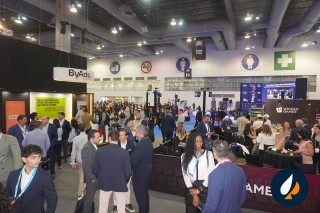

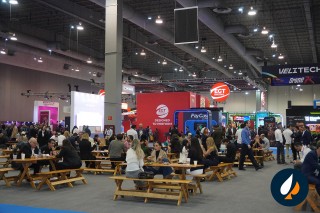


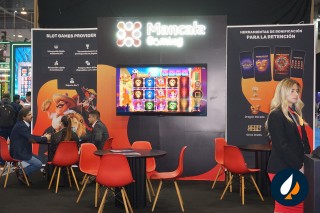
SiGMA North America 2026
01 de September 2026
LatAm Regulators Discussed Illegal Gambling and Innovation at SiGMA North America
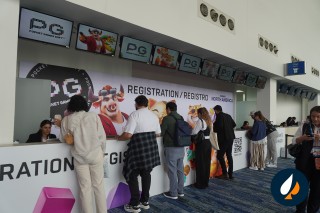
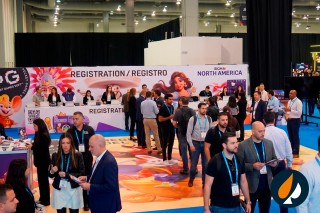
(Mexico City, SoloAzar Exclusive).- The panel "The Red Pen Forum: Regulators Respond to the Industry," held during SiGMA North America 2026, brought together representatives from Uruguay, Argentina, Puerto Rico, and Honduras to analyze regulatory challenges, digital transformation, illegal gambling, and the need to adapt lotteries for new generations. The conference was moderated by Rodrigo Cigliutti, Executive Director of CIBELAE (Ibero-American Corporation of State Lotteries and Betting), and featured the participation of Marcelo Visconti, National Director of Lotteries and Quinielas of Uruguay; Carlos Moyano, President of IAFAS Entre Ríos, Argentina; Heidi Hernández Olivo, Deputy Secretary of the Puerto Rico Lottery; and Lissa Mencía, General Director of Lottery Operations and Games at Loto Honduras.
Monday 28 Sep 2026 / 12:00
SiGMA North America Addressed Crisis Management in iGaming
(Mexico, SoloAzar Exclusive).- During SiGMA North America 2026, Rosa Ochoa, founder of the Blue Global Gaming platform and strategic advisor for gaming operators; Iliana María Pineda Echeverri, Chief Legal & Compliance Officer at Wplay.co; Iraid Rosales, Country Manager Mexico at Amusnet; and Elizabeth Maya Cano, Executive President of CORNAZAR, analyzed the key factors in managing crisis situations within the iGaming industry, with a special focus on transparency, communication, technology, and preparation.
Friday 25 Sep 2026 / 12:00
Affiliates and Acquisition: Keys to Regulated Markets in North America
(Mexico City, SoloAzar Exclusive).- During SiGMA North America 2026, Cristopher Guzmán Reyes, Head of Affiliates at Logrand Entertainment Group; Guga Júnior, influencer and slots expert at Scalar Partners; Andrés Gómez, Head of Latin America Go-to-Market Strategy at Admattic; Yambot Aguilera, Gaming and Finance Sales Director at Google; and Paula Gabriel Jiménez, Advertising Client Growth Director for Microsoft at Aleph, analyzed the state and provincial affiliate ecosystem in North America, as well as the acquisition challenges in regulated markets.
Thursday 24 Sep 2026 / 12:00
SUSCRIBIRSE
Para suscribirse a nuestro newsletter, complete sus datos
Reciba todo el contenido más reciente en su correo electrónico varias veces al mes.