Betting Brazilian regulation in 2025 could affect millionaire sponsorships for football teams
Tuesday 23 de July 2024 / 12:00
⏱ 5 min read
(Brasilia).- Drawing from international experience, Brazil is implementing betting regulations aimed at reducing the competitive scramble among betting companies for advertising space in sports. In Europe, similar restrictions have been introduced to combat conflicts and mitigate the influence of gambling ads on young people.
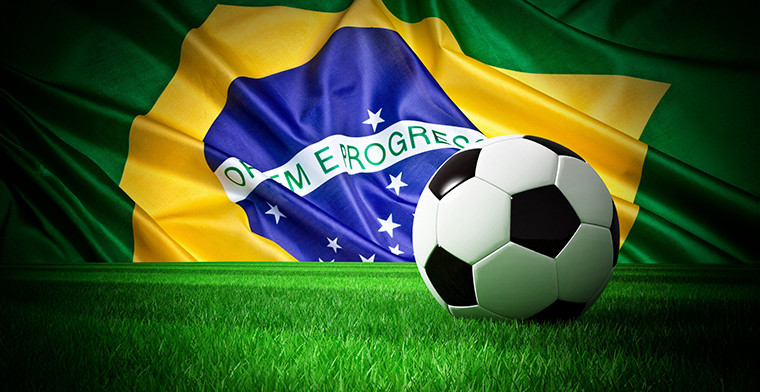
The experience of other countries in regulating betting, which has fed into the coffers of the main Brazilian football clubs, should change the way these online sports betting platforms invest here and put a brake on the generous figures that have marked their dispute for advertising space in recent seasons.
In this pre-regulation phase, their investments were much higher than those made by brands in other sectors - and with greater volatility. The experience of other countries suggests that this should change.
An example of what this dynamic has been up until now began to emerge in 2022, when Pixbet made a more favourable financial proposal and took Galera.bet's place as the sponsor of Corinthians men's football.
This year, the company made an offer to renew the contract and keep its brand on the front of the Corinthians shirt. The club, however, had received a better offer from Vai de Bet, worth a record R$360 million over three seasons. The contract was terminated in June, by decision of the bet, after the use of the money by the club became the target of a police investigation.
Brazil is still in the ‘robbery-monster’ phase of betting investments, according to representatives and analysts in the sector heard by GLOBO, but the regulations should settle the dispute. In search of the overexposure offered by the teams, these companies have until now been willing to invest large sums of money to win over punters.
The regulation introduces requirements such as paying a fee for a five-year licence to operate and should drive away less solid companies, reducing the number of betting companies competing for football advertising space, say analysts.
- Any regulated market comes with costs, taxes and duties. This tends to bring an end to the outpouring of money that is happening now. It was a bit of a rip-off. In the last six months, that has already diminished. At the same time, regulation tends to attract other players - says Ivan Martinho, professor of sports marketing at Ibmec.
Marcos Sabiá, CEO of Galera.bet, agrees that having the logo displayed on the teams' shirts is still an important investment for brands that are still looking to be recognised by consumers. He points out, however, that the next step for betting companies is to invest in building their brand with punters, which should lead them to better distribute their marketing resources beyond football.
- The regulation excludes the least prepared companies, without a robust marketing structure, which don't carry out a branding process with the long term in mind - says Sabiá. - Galera.bet recently began to diversify its investments, sponsoring the country music circuit, Allianz Parque (Palmeiras' multi-purpose arena) and the São Paulo carnival.
Self-regulation
The migration of resources to other segments, especially entertainment, investing in shows and cultural events, works as a way of reaffirming that betting is, in fact, a leisure activity.
Regulation usually goes hand in hand with legalisation, as international experience shows. It's at this point that bookmakers are allowed to advertise, which naturally leads to an increase in sponsorship. Brazil should see the opposite, according to experts: with regulation, companies that currently sponsor clubs could leave the market, reducing competition.
- Regulation tends to drive many companies away, due to a series of requirements and the amount of the licence fee. When the market gets smaller, the tendency is for the money to be put into advertising to be reduced. Clubs, athletes and the media all need to prepare for this. We've been talking about this since the middle of last year - analyses Rodrigo Capelo, a GLOBO columnist and sports business specialist.
In Europe, which is more advanced in regulating betting, football is already experiencing another stage in its advertising relationship with betting. Among the markets that are home to the five big leagues on the Old Continent, three have vetoed or placed restrictions on sponsorship by betting brands: the United Kingdom, Spain and Italy. France and Germany still allow support from companies in the sector, but are discussing a review of these rules.
Fair play
The most recent move was in England. In April last year, Premier League clubs banned the display of betting brands on the front of their shirts from the 2026/27 season, a self-regulation that affected eight of the 20 teams in the top flight.
In Italy, the move came from the government in 2019, as it did in Spain the following year. The regulation now bans industry brands on uniforms. The Spanish also vetoed the sale of naming rights to betting platforms.
Behind these moves are concerns about the fairness of the game and an effort to keep children and teenagers, who are intense football consumers, away from the world of betting, which requires self-control and personal responsibility with money.
The English treat with particular rigour any move that could harm integrity in sport. One of the main players in the Brazilian national team, midfielder Lucas Paquetá, is facing an investigation that could get him banned from the sport. He is suspected of having acted to receive yellow cards in four West Ham matches to favour bets by relatives and friends on bets in Brazil.
Transparency
The changes have led companies and clubs in Europe to adapt. At the beginning of July, Italy's Inter Milan signed an agreement with betting operator Betsson worth €30 million per season. The conglomerate also invests in online platforms for sports content, information and entertainment. Under Italian rules, brands from these activities can appear on team shirts.
In Germany, market regulation - without a league veto - has provided a more transparent and secure environment, encouraging partnerships. Clubs like Borussia Dortmund collaborate with major betting operators with branding in the stadium and integrated marketing campaigns.
In the US, industry giants have the rights to use the brands of the NFL, the American football league, in their promotions and integrate betting content into the league's media properties, such as the NFL.com website and the NFL app. Franchises such as the New York Jets also have individual agreements with bets.
- These partnerships not only provide revenue for clubs, but help betting companies reach a more engaged audience. The regulation ensures that the partnerships are conducted responsibly, protecting consumers and maintaining the integrity of the sport - explains Ricardo Bianco Rosada, founder of the consultancy brmkt.co, which works in the areas of Strategy, Branding, Marketing and Business Development.
By Ana Flávia Pilar,Vitor Seta e João Sorima Neto
Categoría:Legislation
Tags: Sin tags
País: Brazil
Región: South America




Event





SBC Summit 2026
29 de September 2026
The Future of Sports Engagement Beyond the Court
Friday 16 Oct 2026 / 12:00
Ninja Gaming Focuses on Innovation and Global Growth After SBC Summit
Friday 16 Oct 2026 / 12:00
SBC Summit 2026 Wraps Up Record-Breaking Lisbon Edition
Thursday 15 Oct 2026 / 12:00
SUSCRIBIRSE
Para suscribirse a nuestro newsletter, complete sus datos
Reciba todo el contenido más reciente en su correo electrónico varias veces al mes.