Regulated Market and Bettor Protection
The protection of bettors was among the main themes of the meeting, with discussions on the mechanisms implemented by the regulated market and the challenges to ensuring its uniform application.
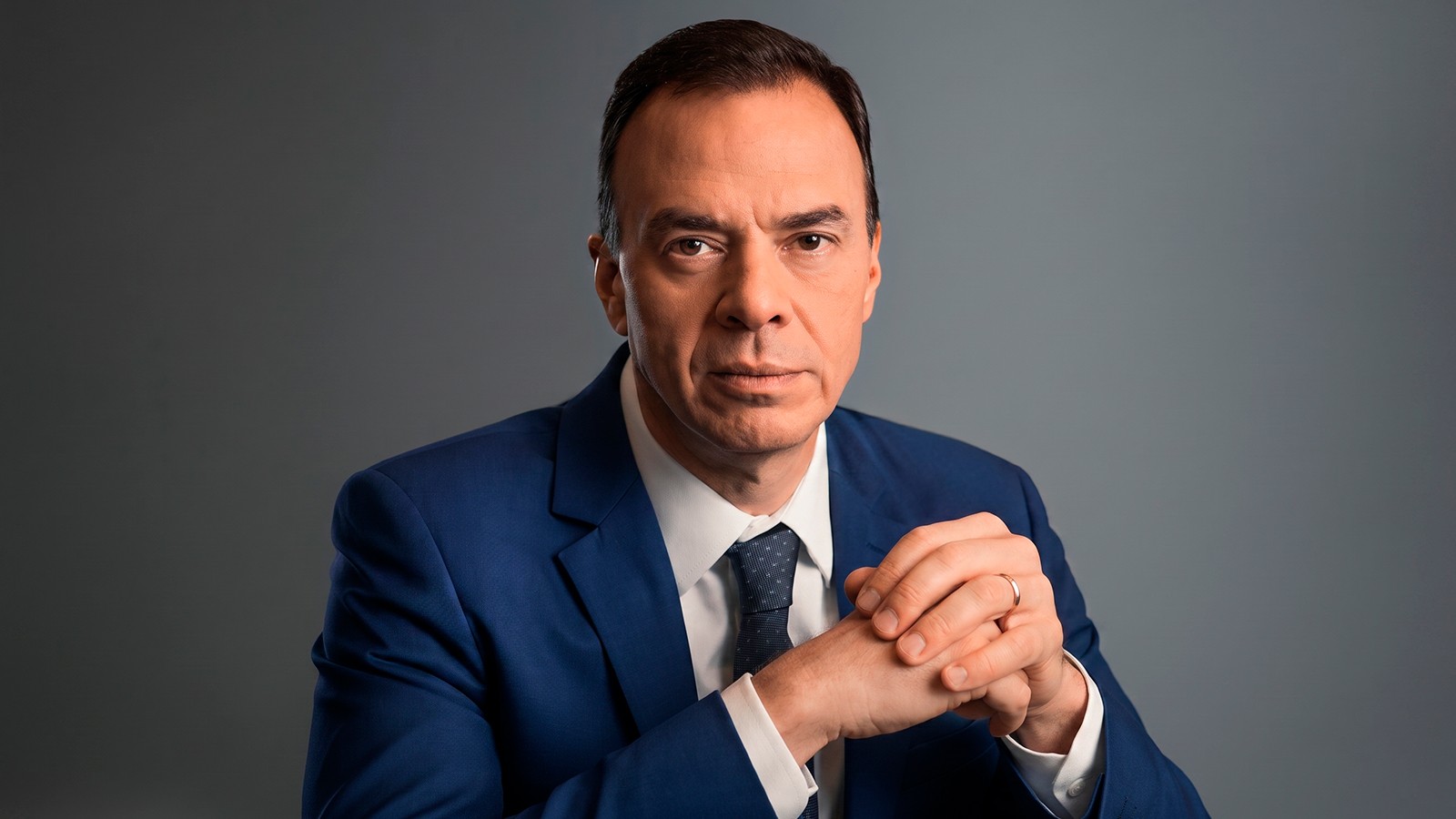
During the debate, Bernardo Freire classified as "connivance with crime" any decision to prohibit legalized betting companies that operate under the rules established in Brazil. According to the legal advisor of ANJL, the measure could cause a significant shift of users to clandestine operators.
“It’s complicity with crime to want to prohibit a legally operating company when there is no basis, relevance, or urgency. Companies in this sector take great care with respect to the LGPD (General Data Protection Law), with the prevention and combating of money laundering, and with the protection of minors. If this legal market is prohibited, it ends up pushing users into illegality, when 40% of the population already accesses the illegal market. This move will push another 60% into the illegal market. There’s no other term: it’s complicity with the weakening of protection against money laundering, the weakening of protection against indebtedness, and the weakening of protection against gambling addiction,” he said.
Risk of migration to clandestine platforms
According to the lawyer, the existence of a regulated market allows for the establishment of protection mechanisms related to the prevention of money laundering, protection of minors, data privacy, and reduction of risks associated with gambling.
Freire argued that the withdrawal of regulated companies from the market would not eliminate the demand for betting. On the contrary, it could transfer a significant portion of users to operators who are not subject to the same regulatory obligations.
The legal consultant for ANJL is also a partner at Betlaw, a firm specializing in legal advice and judicial and administrative defense for betting houses, payment institutions, and other service providers linked to the sector.
ANJL questions data on betting and indebtedness
Another participant in the seminar was Plínio Lemos, president of ANJL, who highlighted the need to confront the process of discrediting that, according to him, has been affecting the betting industry in Brazil.
For the leader, the public debate about the sector needs to be based on verifiable information, especially given the impact of regulation on companies that have started operating within Brazilian rules.
“It is an important moment in our industry. We have suffered daily attacks. We want to reach the general public and show the responsibilities of the betting companies. I am not an economist, but we can see that some data used in the media is untrue. Did the indebtedness of Brazilian families really begin in 2025? That's what it seems like. This fact cannot prevail”, said Plínio Lemos.
Debate on the future of the regulated market
The seminar took place at a time of consolidation of the regulated betting market in Brazil, with the sector facing discussions on oversight, protection of bettors, taxation, and combating illegal operations.
In this context, ANJL defends the maintenance of a regulated environment as an instrument to establish responsibilities for companies and mechanisms to protect users, while combating clandestine platforms remains one of the main challenges for the betting industry in the country.