California Sports Betting Initiative Backed by Gambling Giants Would Block Startups
Tuesday 03 de May 2022 / 13:00
⏱ 4 min read
(California).- One of the measures Californians will likely get to vote on this fall does more than just allow betting on sports: Critics are concerned it will effectively block smaller gaming companies and startups from operating in the state.
Those are high stakes for an industry that could rake in over $3.5 billion each year from California bettors — and for a state that prefers to see itself as the startup capital of the world.
Of the four sports betting initiatives competing to make November’s ballot, one, paid for by online sports betting giants FanDuel, DraftKings and BetMGM, would allow gaming companies and Native American tribes to provide sports betting online across the state.
But embedded in the initiative are requirements that would be very difficult — if not impossible — for the companies’ smaller competitors to meet, experts say.
If the initiative passes, gaming companies would have to pay a $100 million licensing fee to do business in the state, as well as already be licensed in 10 states, or be operating in five states and running 12 casinos.
“I think it’s absolute nonsense,” said John Holden, a professor at Oklahoma State University who studies sports gambling policy. “I think what’s effectively happening is, basically, the 5 to 10 frontrunners in the market have decided ‘Alright, let’s ensure that there’s no one else who can compete by agreeing to pay these exorbitant license fees.’”
The $100 million fee, Holden said, essentially ensures no startups will be able to operate in California.
The fee is one way the measure generates “significant revenue to fund homelessness housing and mental health treatment and provide financial support for California Tribal nations,” Nathan Click, a spokesperson for the initiative’s campaign, wrote in a statement.
“California is best served by creating a safe and tightly regulated sports betting market, one where customers can know they are working with experienced platforms with a proven track record of safe and responsible operation in other markets,” Click wrote.
FanDuel and BetMGM did not respond to CalMatters’ request for an interview. DraftKings directed CalMatters’ interview request to Click, the campaign spokesperson.
Here’s What the Initiative Does
The initiative backed by sports betting companies would:
- Allow adults 21 or older to bet on sports events online, as well as on some non-athletic events like awards shows and video-game competitions, outside of Native American lands
- Enable tribes to offer online sports betting under the tribe’s name and branding. Tribes would have to pay a one-time $10 million licensing fee to the state and $1 million renewal fee every five years
- Allow gaming companies such as Fanduel and DraftKings to offer online sports betting if they strike a deal with a tribe to access the California market, pay a one-time licensing fee of $100 million plus a $10 million renewal fee every five years, and they are also licensed to operate in 10 states (or are licensed to operate in five states and operate 12 casinos)
- Create a new division within the state’s Justice Department to regulate online sports wagering
- Impose a 10% tax on all companies or tribes offering sports betting. After covering the state’s regulatory costs, most of the revenue from the tax and the licensing fees would be used to address homelessness and create interim and permanent housing. Of the funds, 15% would go to Native American tribes that aren’t involved in online sports betting.
The state’s Legislative Analyst’s Office wrote in its assessment of the measure that it’s uncertain how much money the new taxes and fees would generate for the state, but it could reach the mid-hundreds of millions per year.
The measure hasn’t qualified for the ballot yet — it’s still gathering signatures. But Click, the spokesperson for the campaign, said the measure is well ahead of where it needs to be to qualify.
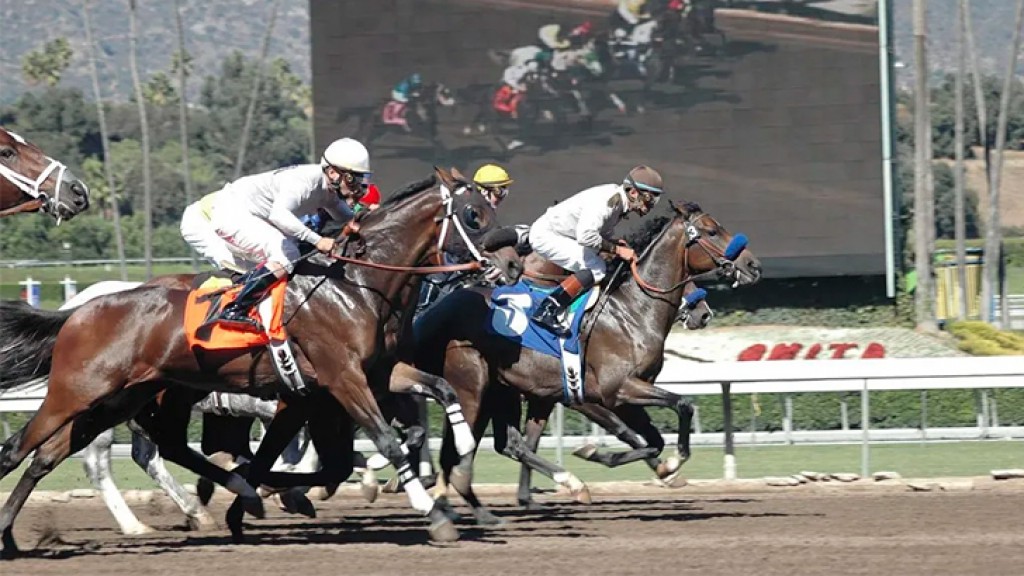
Other measures that legalize sports betting could make the ballot — or are already eligible. One, backed by a coalition of tribes, would allow sports betting at tribal casinos and four horse race tracks only, while another, backed by a separate coalition of tribes, would allow tribes to offer online and in-person sports betting exclusively. Native American tribes have long had the exclusive right to offer certain forms of gambling in California. Many tribes are campaigning against the gaming companies’ initiative arguing, among other things, that it would threaten tribes’ sovereignty and self-reliance.
If one of the initiatives passes, California would become one of over 30 states to legalize betting on sports. The industry could generate $3.57 billion per year in net revenue for entities offering sports betting to people in California if online and in-person betting is legalized and many companies are able to operate, according to projections from Eilers & Krejcik Gaming LLC, a research firm. That’s larger than the firm’s projections for Texas, New York, or Florida.
So Much for the Sports Betting Startups
The $100 million licensing fee is much higher than what any other state has on the books, said Becca Giden, director of policy for Eilers & Krejcik. Now, New York’s $25 million licensing fee is the highest, she said. Most states that have legalized sports betting have licensing fees in the low single-digit millions or hundreds of thousands — and no other state requires companies to already be licensed in other states, according to Giden.
Categoría:Sportsbook
Tags: Sin tags
País: United States




Event
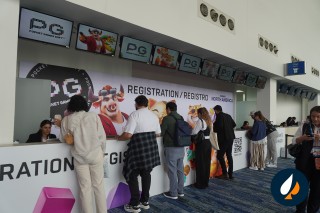
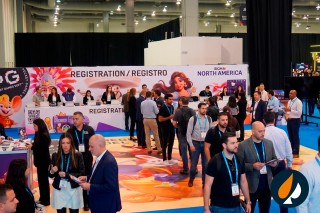
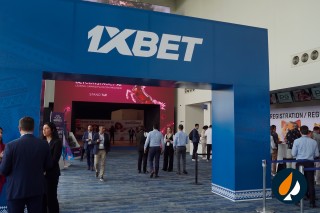

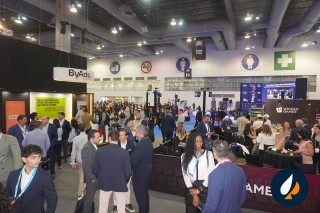




SiGMA North America 2026
01 de September 2026
CP Games at SiGMA North America: Localization, Integration, and Regional Growth
(Mexico City, SoloAzar Exclusive).- Following a successful showcase at SiGMA North America, Caio Ruiz, Head of Growth and Strategic Partnership at CP Games, reflects on the event's key takeaways. He discusses the critical need for localized strategies across the Americas, the importance of flexible technical integrations, and the company's next steps in navigating the diverse gaming landscapes of LatAm and North America.
Tuesday 22 Sep 2026 / 12:00
"Our focus for growth is in Mexico and the rest of LatAm", Alberto Alfieri, Co-Founder of Blokotech
(Mexico City, SoloAzar Exclusive).- Following their success at SiGMA North America—where they secured the Best Casino Platform 2026 award—Blokotech's co-founder discusses growth opportunities in Mexico and the broader region. He also highlights the platform's latest AI-driven innovations and outlines the next phases of the company's expansion strategy.
Tuesday 22 Sep 2026 / 12:00
SiGMA North America Examines the VIP Revenue Paradox
(Mexico City, SoloAzar Exclusive).- At SiGMA North America 2026 in Mexico City, the conference “The VIP Paradox: Emotional Intelligence vs. Revenue Pressure” brought together Beatriz Melges, Regional Director at BetConstruct AI; Rodrigo Ripol, Business Development Officer at AHIS; Erick Sapien, Country Manager at BC.GAME; and Thomas Carvalhaes, Founder and CEO of TC iGaming Advisors LATAM, to examine the balance between VIP management, revenue generation, player protection and emotional intelligence.
Tuesday 22 Sep 2026 / 12:00
SUSCRIBIRSE
Para suscribirse a nuestro newsletter, complete sus datos
Reciba todo el contenido más reciente en su correo electrónico varias veces al mes.