Local licenses, global reach: How 1xBet adapts to the requirements of each market
Friday 17 de July 2026 / 12:00
⏱ 4 min read
(Limassol).- Balanced compliance and comprehensive communication with local regulators have become the new standard in the iGaming industry. They have become a valuable complement to international licenses, creating a reliable foundation for long-term collaboration between operators, government agencies, players, and affiliates.
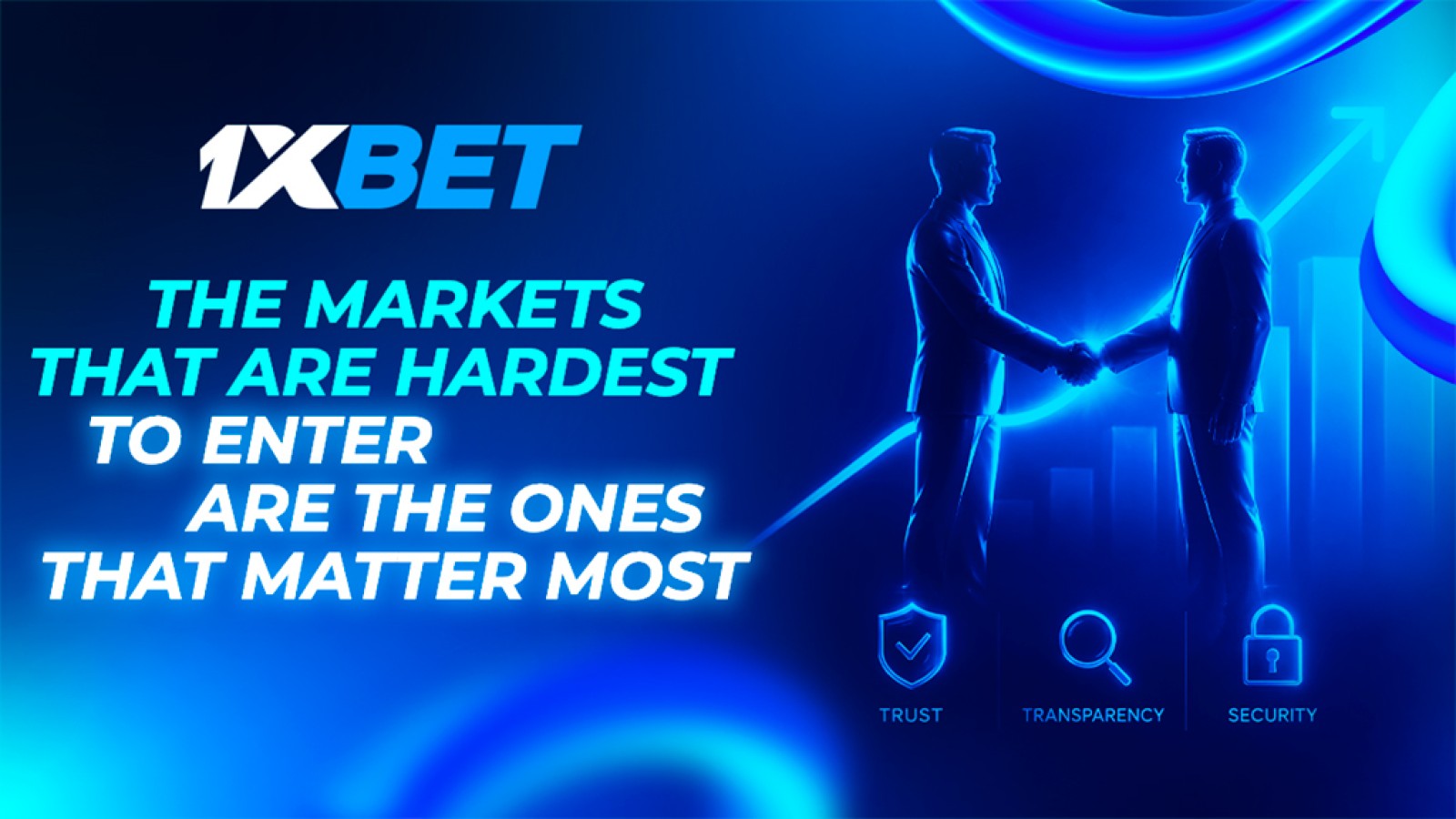
Why local licenses complement the umbrella model — and who benefits
Since its founding in 2007, 1xBet has operated under a license issued by the Curaçao Gaming Authority – the industry standard at the time. Back then, a single international license formed the primary regulatory foundation for operators worldwide and was sufficient for legal operation. Everything changed in the early 2010s, when the first iGaming markets with local regulation and transparent control infrastructure began to emerge in Europe. In practice, many jurisdictions found locally regulated models better suited to their domestic markets, benefiting all participants.
Governments generated additional revenue through licensing fees and taxation. Operators and their affiliates gained legal status and stability for long-term work. Players, in turn, received additional layers of protection. Local licenses eliminated many jurisdictional challenges. Resolving disputes within the country became a more practical and less expensive alternative to handling complaints in Curaçao.
Local regulators provide more effective protection and a better understanding of the market and legislation. Enhanced security created new opportunities but also imposed certain restrictions on players and operators. KYC and AML procedures, as well as limits and self-exclusion tools, became mandatory conditions for obtaining licenses. Although not everyone initially welcomed these measures, effective regulation is built on transparency and balance rather than convenience alone. Ultimately, all the checks and restrictions benefited players. They gained access to more reliable payment solutions and a safer gaming environment, with greater confidence in payment processes. Local licensing has also made the iGaming industry significantly more transparent.
Licensed operators compete within the regulatory framework established for each jurisdiction, while illegal platforms are blocked by the relevant authorities. As a result, the market has become predictable for investors. That is why affiliates benefit from partnering with betting companies that hold a wide portfolio of licenses in various regions.
Launch of the first regulated iGaming markets in Europe
Spain was one of the first European countries to establish a regulated iGaming market. In 2011, following the adoption of Law 13/2011 of May 27 on the Regulation of Gambling, the Dirección General de Ordenación del Juego (DGOJ) was created. The regulator is responsible for issuing licenses and overseeing gambling operators.
The introduction of a regulated iGaming market has delivered significant economic benefits for Spain. According to official government financial reports, the gambling industry contributes approximately 0.2-0.3% of the country's GDP. At the same time, licensed operators gained access to a highly engaged audience within a secure and transparent European market. The DGOJ actively blocks and penalizes platforms that offer gambling services in Spain without the appropriate license. Spain's approach has been regarded as one of the early examples of comprehensive online gambling regulation in Europe.
In Ireland, for instance, a comprehensive regulatory framework was introduced in October 2024 with the adoption of the Gambling Regulation Act 2024, which established a dedicated oversight body, the Gambling Regulatory Authority of Ireland (GRAI). The modernization of iGaming regulation is also progressing beyond the European Union.
For example, Serbia has amended its regulatory framework governing gambling operators, introducing reforms broadly aligned with European regulatory practices. 1xBet obtained licenses to operate in Spain, Ireland, and Serbia, underscoring its adherence to the strictest security standards.
Regulatory specifics in Latin America
Brazil, Peru, Guatemala, and Panamahave introduced or continued to develop regulated online gambling frameworks with transparent licensing systems. In terms of user engagement, they have become some of the fastest-growing regulated markets while offering affiliates attractive business opportunities.
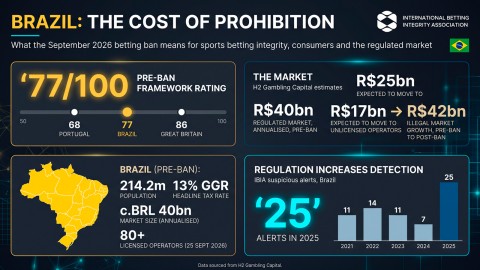
Brazil, for example, is home to over 213 million people, with football and other sports playing a central role in everyday life. This large, highly engaged audience opens new horizons for traffic acquisition specialists. Several Latin American markets are adopting advanced digital verification technologies for player identification. In Brazil, every player is required to undergo biometric identification with facial recognition upon registration, and all transactions are processed exclusively through payment systems authorized by the Central Bank. This makes the market both accessible and secure.
Education over prohibitions: Power of African experience
Africa presents a diverse regulatory landscape. Nigeria and Kenya are among the African markets that have introduced a transparent system for monitoring operators. Other African markets continue to refine and expand their legal frameworks.
The African regulatory system is strong in its communication. Local regulators actively engage with players following significant wins and prioritize education and awareness over restrictive measures. 1xBet also contributes to the development of a responsible gaming culture on the continent by promoting educational initiatives for its customers.
A legal operator is the best entry point into iGaming
Working under a license in regions with high user activity may provide affiliates with greater stability for developing long-term scaling strategies and running multi-tiered advertising campaigns. Collaboration with such platforms will become a source of stable revenue for many years. 1xBet holds 35 licenses across Europe, Latin America, and Africa.
The brand continues to expand its international presence and is exploring opportunities to obtain additional permits in new, fast-growing regions. Affiliates can join a fully licensed brand through the 1xPartners affiliate program. Available in 150 countries, it offers flexible partnership models, including RevShare, CPA, and Hybrid.
Categoría:Analysis
Tags: Sin tags
País: Malta
Región: EMEA



Event
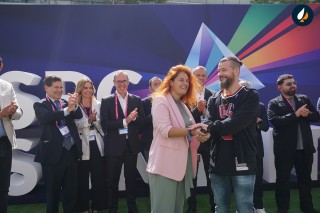
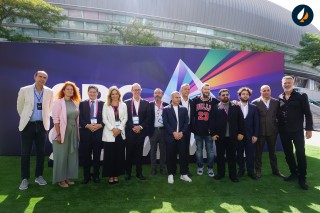

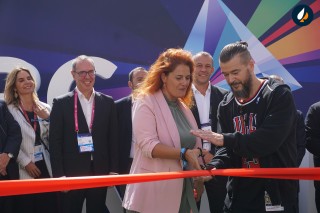
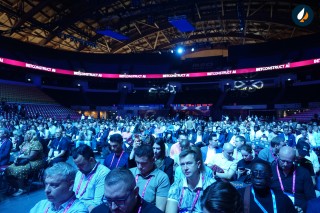




SBC Summit 2026
29 de September 2026
Eeze Drives Latin American Expansion After SBC Summit 2026
Monday 19 Oct 2026 / 12:00
The Future of Sports Engagement Beyond the Court
Friday 16 Oct 2026 / 12:00
Ninja Gaming Focuses on Innovation and Global Growth After SBC Summit
Friday 16 Oct 2026 / 12:00
SUSCRIBIRSE
Para suscribirse a nuestro newsletter, complete sus datos
Reciba todo el contenido más reciente en su correo electrónico varias veces al mes.