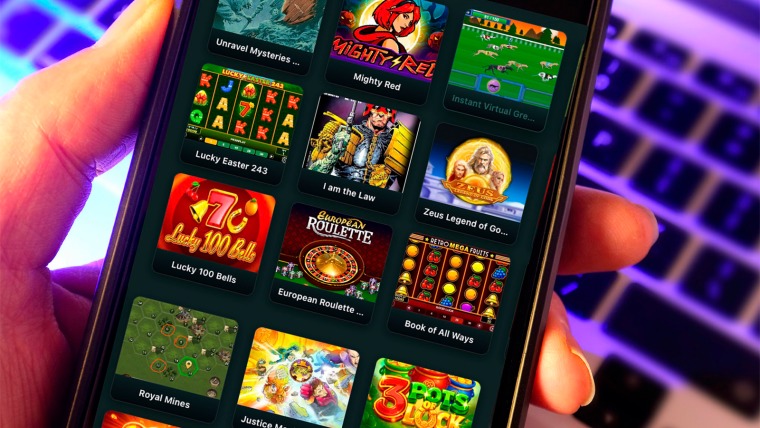
The world of betting has changed radically. It's no longer just about slot machines or physical poker rooms, but rather a dynamic, personalized, digital experience. Today, most bets are placed on smartphones, with players placing microbets in real time while performing other activities. Mobile-first design, AI-driven personalization, and gamification are now the norm.
New players, primarily Millennials and Gen Z, value speed, transparency, smart rewards, and social interaction. Loyalty is earned through daily challenges, personalized bonuses, and gamified experiences, rather than traditional perks like free drinks.
Emerging technologies such as cryptocurrencies, smart contracts, and the metaverse are further transforming the sector, enabling decentralized betting and immersive experiences in virtual environments. Meanwhile, regulators are struggling to keep up with these advances, imposing new rules on responsible gaming, digital verification, and personalized marketing.
At the core of it all is one big idea: this isn’t just gambling 2.0, it’s something entirely new. The boundaries between gaming, social, finance, and media are blurring. Innovation isn’t an add-on anymore…it’s baked into the product. And the players? They’re not just along for the ride; they’re steering!
So yeah, the way we gamble is absolutely being reshaped. And whether you’re a regulator, an operator, or just someone who enjoys betting on Korean baseball at 3am, it’s time to buckle up. Because this isn’t your grandfather’s casino anymore. It’s a digital frontier and the house doesn’t always win.
In short, online gaming in 2025 is no longer just about "gambling"; it's a blend of entertainment, technology, social media, and finance. It's a new digital ecosystem where innovation is key and the modern user sets the course.
Read Gabe Benedik's full article here