Brazil Rises Among Global Leaders as It Tackles Illegal Gambling
⏱ 3 min read
(São Paulo, SoloAzar Exclusive).- During BiS SiGMA South America 2026, one of the leading iGaming industry events in Latin America, Brazilian experts and authorities analyzed the first year of online betting regulation, highlighting market growth, advances in tackling illegal gambling, and the structural challenges to ensure sustainability and integrity in the sector.
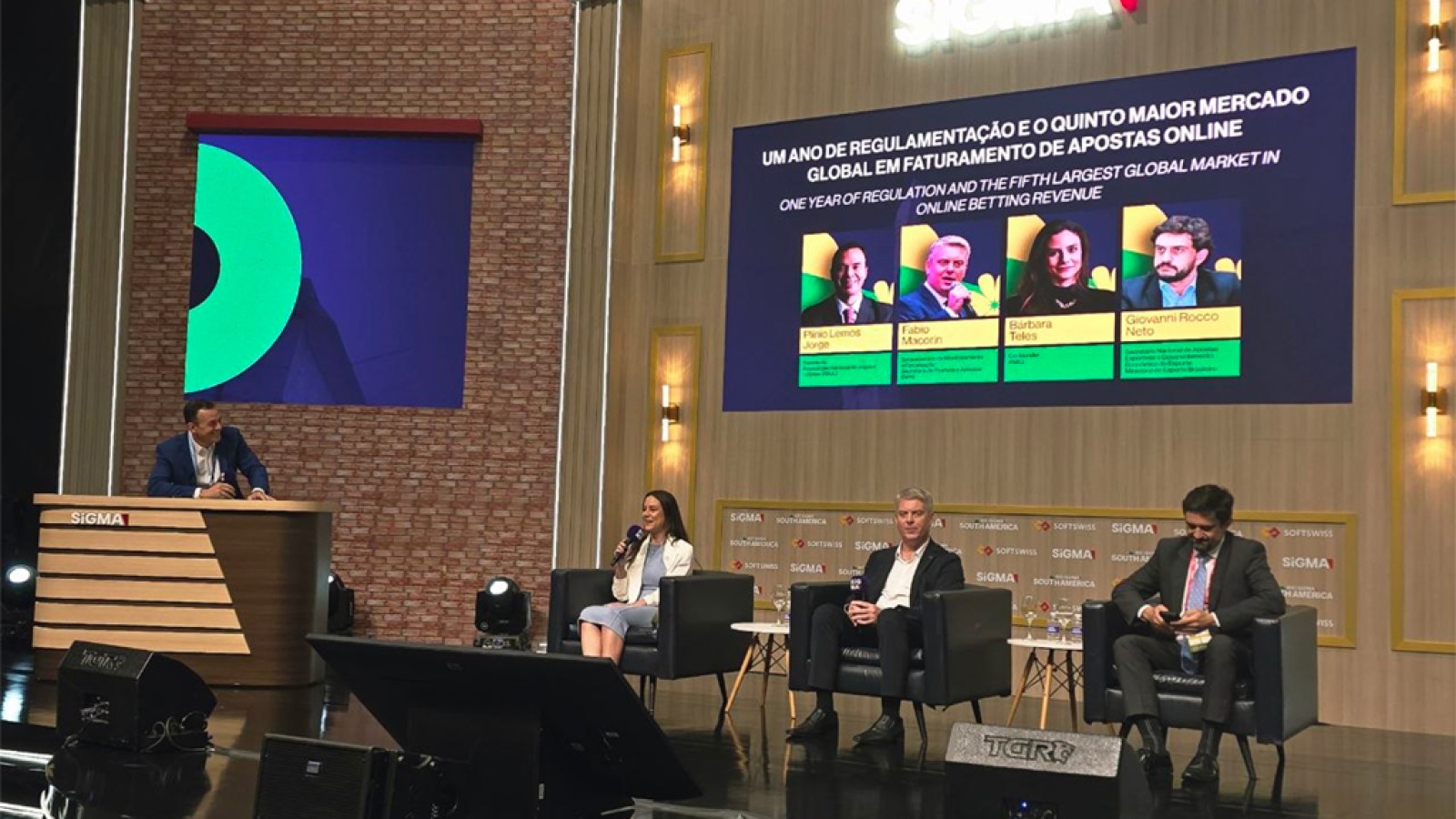
Brazil’s consolidation as one of the five largest global online betting markets was the central theme of the panel “One Year of Regulation and the Fifth Largest Global Market in Online Betting Revenue”, held at the Transamerica Expo Center in São Paulo. The debate featured Plínio Lemos Jorge (President of ANJL – National Association of Games and Lotteries), Fabio Macorin (Deputy Secretary of Supervision and Oversight at the Ministry of Finance’s Secretariat of Prizes and Bets), Giovanni Rocco Neto (National Secretary of Sports Betting and Economic Development of Sport at the Ministry of Sport), and Bárbara Teles (Legal and Compliance Director, founder of PlayTech Brazil and AMIG), underscoring the positive impact of regulation on the organization and expansion of the industry.
Among the key highlights was the strengthening of actions against the illegal market, considered one of the pillars for the sustainability of the regulated ecosystem. According to Fabio Macorin of SPA, Brazil has structured a strategy based on multiple fronts, with strong technological and institutional support.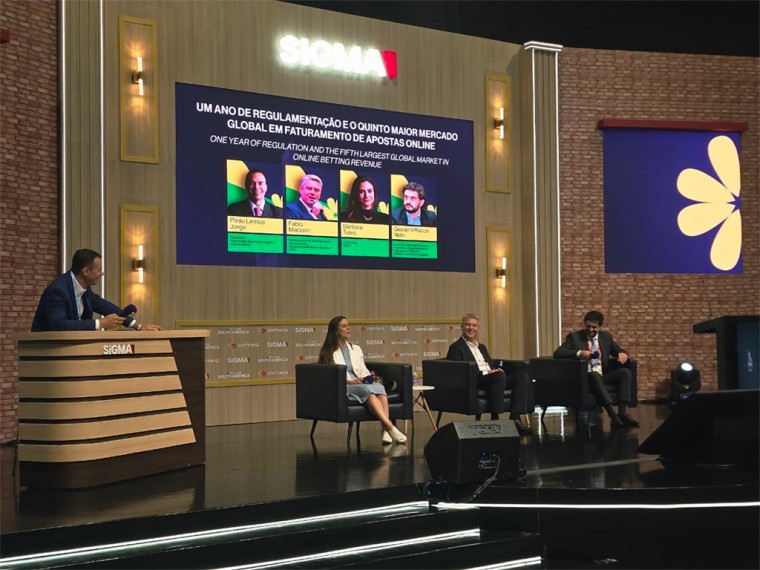
In the digital sphere, monitoring systems have enabled more efficient identification and blocking of illegal sites, in cooperation with Anatel. A virtual lab, developed in partnership with industry entities, significantly expanded oversight capacity, allowing authorities to map operational patterns and identify local agents involved in illicit activities.
This technological progress also shifted perceptions: the illegal market, once attributed mainly to international operators, revealed a significant presence of domestic actors. As a result, the ability to block irregular platforms has nearly doubled since operations began.
Another strategic axis is financial control. New legislation increased the responsibility of payment institutions, prohibiting the processing of transactions linked to illegal operators. Data sharing among financial entities, combined with coordinated action with the Central Bank and other agencies, has strengthened the clampdown on illicit market cash flows.
Additionally, initiatives targeting digital advertising are being implemented in partnership with tech platforms and self-regulatory bodies, enabling the swift removal of illegal campaigns. In parallel, ongoing regulatory advances—including rules for the B2B segment—reinforce the sector’s institutional framework.
In the sports field, Giovanni Rocco Neto highlighted the use of technology for real-time odds monitoring, enabling the detection of potential signs of match-fixing. The system, developed jointly with academic institutions, follows international standards and aligns with the Macolin Convention, of which Brazil is a signatory.
According to the secretary, repression in the regulated market has led to the migration of illicit practices to unauthorized environments, reinforcing the need to expand monitoring of these operations. In this context, combating illegal gambling is treated as a financial crime issue, with significant social impacts, particularly on vulnerable populations.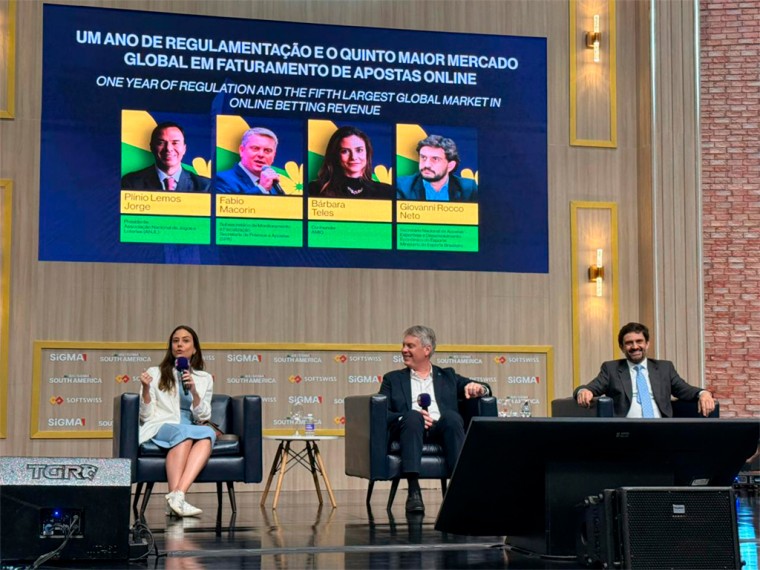
From the industry’s perspective, Bárbara Teles emphasized that beyond sports integrity and tackling the illegal market, the sector faces additional challenges such as institutional communication and the political environment. In an election year, strengthening the industry’s image before government and society becomes even more strategic.
She also highlighted the economic relevance of the segment, which already represents a significant source of tax revenue. This factor tends to consolidate iGaming’s role as a key component of public finances, reducing the likelihood of regulatory setbacks.
The panel showed that despite significant progress in just one year of regulation, the Brazilian market still faces structural challenges stemming from a long period without clear rules. However, the combination of technology, institutional cooperation, and regulatory maturity positions the country as one of the most promising environments for global operators.
With an increasingly integrated approach between government and industry, Brazil is advancing in building a safer, more transparent, and competitive market, reinforcing its leadership in the international online betting landscape.
Categoría:Events
Tags: Sin tags
País: Brazil
Región: South America




Event










SBC Summit 2026
29 de September 2026
The Future of Sports Engagement Beyond the Court
Friday 16 Oct 2026 / 12:00
Ninja Gaming Focuses on Innovation and Global Growth After SBC Summit
Friday 16 Oct 2026 / 12:00
SBC Summit 2026 Wraps Up Record-Breaking Lisbon Edition
Thursday 15 Oct 2026 / 12:00
SUSCRIBIRSE
Para suscribirse a nuestro newsletter, complete sus datos
Reciba todo el contenido más reciente en su correo electrónico varias veces al mes.