Pennsylvania Lawmaker Introduces Law to Ban Credit Card Payments for Internet Betting
Friday 26 de April 2024 / 12:00
⏱ 2 min read
(Harrisburg).- A Pennsylvania state senator is taking aim at the intersection of online gambling and rising credit card debt. Senator Wayne Fontana (D-Allegheny County) announced on Friday that he plans to introduce legislation that would prohibit the use of credit cards for online casino games, sports betting, fantasy games, and the Pennsylvania iLottery.
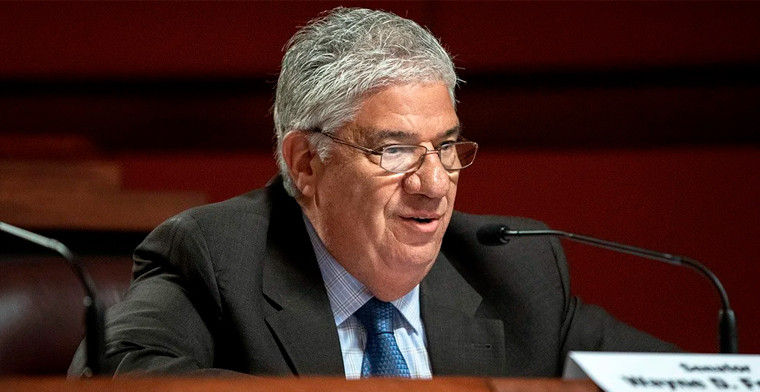
The move comes amid growing concerns about the financial health of Pennsylvanians. As Fontana noted, online gaming and sports betting have seen explosive growth, particularly among young adults. Yet, this surge in popularity coincides with an alarming rise in credit card debt. The average Pennsylvanian now carries a credit card balance exceeding $5,640—over 12% higher than pre-pandemic levels, according to a report from the state’s Independent Fiscal Office.
“Greater access to gambling shouldn’t lead to burdensome or crippling credit card balances,” said Fontana. His proposed bill aims to prevent just that, drawing attention to the potential pitfalls of easy access to online gambling platforms.
The timing of Fontana’s announcement is no coincidence. March marks National Problem Gambling Awareness Month, a nationwide effort to promote education and treatment for problem gambling. By introducing this bill now, Fontana underscores the urgency of addressing this issue head-on.
The proposed legislation also comes on the heels of a record-breaking year for Pennsylvania’s gaming industry. Fueled by online gaming, sports betting, and fantasy sports contests, the state reported nearly $5.7 billion in gaming revenue last year. Meanwhile, the Pennsylvania Lottery’s online iLottery continues to expand its offerings and grow its revenues.
Fontana’s proposed bill aligns Pennsylvania with other states that have already imposed similar restrictions on online gambling. Iowa, Tennessee, and Massachusetts have all enacted laws prohibiting the use of credit cards for online gaming and sports betting.
The implications of this bill could be far-reaching. For young adults and other vulnerable populations, it could provide a crucial safeguard against the potential financial pitfalls of online gambling. For the gaming industry, it may necessitate a shift in payment practices.
In a state where the average credit card balance is already higher than the national average, Fontana’s proposed legislation could be a step toward mitigating the risks associated with online gambling. As Pennsylvanians grapple with the economic fallout of the pandemic, the need for such safeguards has never been more apparent.
Categoría:Legislation
Tags: Sin tags
País: United States
Región: North America




Event
iGaming tech leader Cristina Turbatu commends ICE Barcelona's vision for Hall 7
Tuesday 20 Oct 2026 / 12:00
CGA Showcases Canada’s Competitive Edge at ICE Barcelona
Tuesday 13 Oct 2026 / 12:00
ICE Barcelona Hosts WorldGaming-Backed Nineball Championship in 2027
Tuesday 06 Oct 2026 / 12:00
SUSCRIBIRSE
Para suscribirse a nuestro newsletter, complete sus datos
Reciba todo el contenido más reciente en su correo electrónico varias veces al mes.