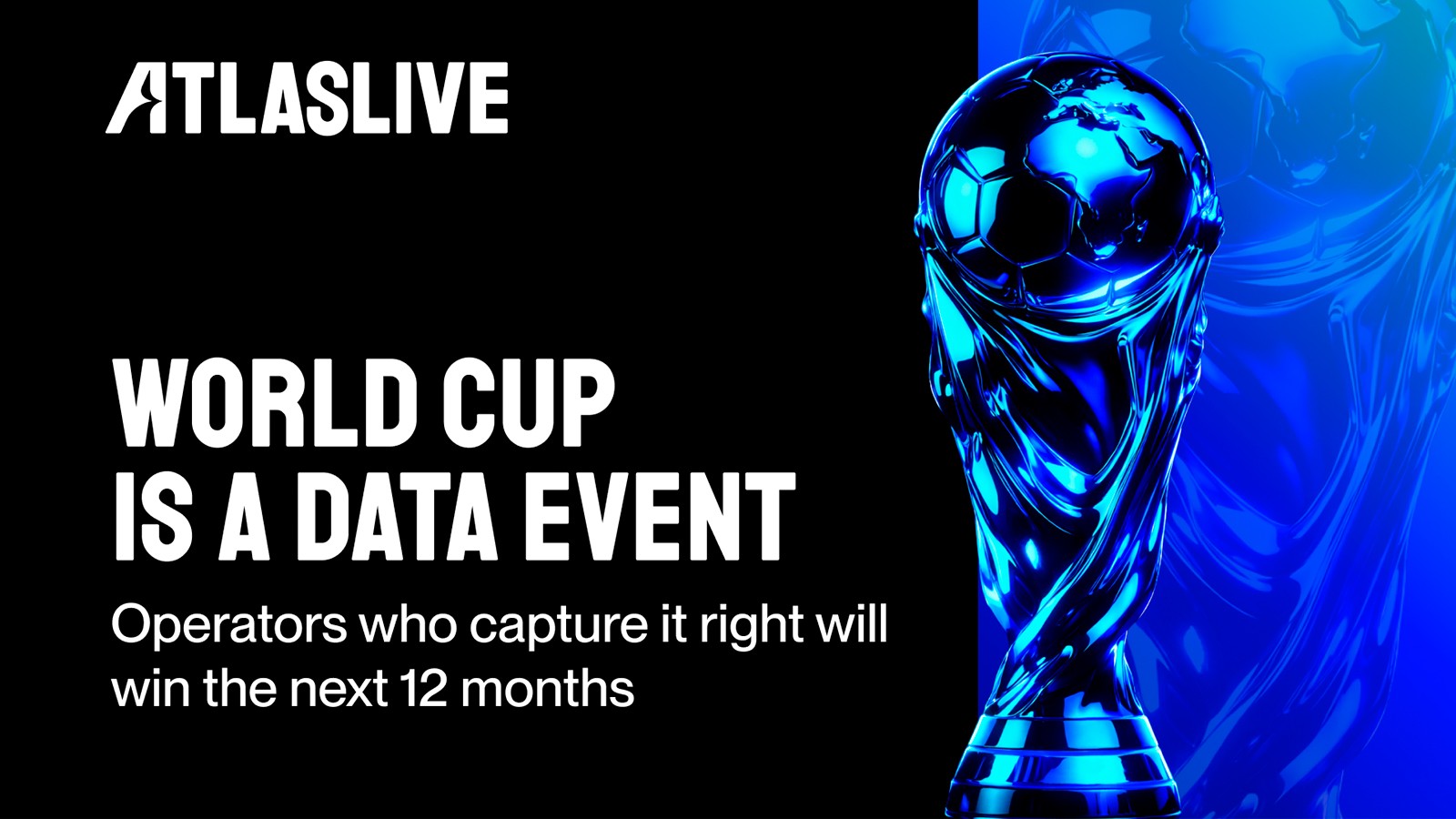
Atlaslive explains why the World Cup It's the Biggest Data Opportunity in iGaming History
Monday 29 de June 2026 / 12:00
⏱ 3 min read
(Lisbon).-With billions of viewers, record-breaking engagement and an unprecedented influx of first-time bettors, operators that successfully capture and structure tournament data could gain a competitive advantage lasting well beyond the final whistle.
A Global Sporting Event Creates a Unique Data Window
The 2026 FIFA World Cup is already rewriting records on and off the pitch.
On 16 June alone, more than 281,000 fans attended matches, setting a new single-day attendance record in the tournament's history. Meanwhile, licensed sportsbooks in the United States are projected to generate around $3.5bn in betting handle during the competition — nearly nine times the volume recorded during the 2022 edition in Qatar.
For the industry, however, the real opportunity extends beyond betting turnover.
With up to six billion viewers expected to follow the tournament and 104 matches taking place across 39 days, the World Cup represents what many analysts describe as the most concentrated behavioural data event the iGaming sector has ever experienced.
Why World Cup Data Is Different
Unlike traditional sporting calendars, World Cup betting activity is driven by a significantly different player mix.
Large numbers of casual bettors and first-time users enter the market during globally significant sporting events, creating customer profiles that operators have little historical data to compare against.
The tournament also introduces an unusually complex geographical dynamic. Hosted across the United States, Canada and Mexico, the event spans multiple regulatory frameworks, time zones and player behaviours.
At the same time, betting activity is increasingly multi-device. Most consumers watch matches on television while placing wagers on mobile devices, creating cross-platform behavioural journeys that can reveal valuable insights into player intent and engagement.
The Three Data Assets Operators Cannot Afford to Miss
Industry experts point to three categories of information that will define post-tournament success.
Behavioural Data
Session duration, navigation paths, in-play betting patterns, cash-out activity and abandonment points all provide a detailed picture of how players interact with sportsbooks.
Understanding the decision-making process often proves more valuable than simply recording betting outcomes.
Transactional Data
Deposits, stake sizes and withdrawals become significantly more useful when linked to contextual information such as tournament stage, match importance or national team involvement.
This type of tagging allows operators to build highly targeted reactivation campaigns once the tournament ends.
Preference Data
Market preferences, content consumption habits, notification engagement and crossover activity between sportsbook and casino products provide the foundation for meaningful personalisation strategies.
Many operators collect this information but fail to structure it effectively for future use.
Retention Planning Starts Before the Final
World Cup player acquisition tends to be followed by a predictable decline in activity once the tournament concludes.
Operators are therefore encouraged to segment their World Cup audience before launching post-event marketing campaigns.
Potential groups include high-value customers, casual bettors, sportsbook-casino crossover players and one-time event participants, each requiring different retention strategies and communication channels.
Future Sporting Events Offer Reactivation Opportunities
The months following the World Cup present numerous opportunities to re-engage players.
Competitions such as the UEFA Nations League, the UEFA Champions League, domestic cup finals and international qualifiers can all serve as effective reactivation triggers.
However, successful targeting depends heavily on whether operators accurately captured player preferences during the tournament itself.
Infrastructure Will Determine Who Wins the Data Race
Industry specialists argue that the effectiveness of any data strategy ultimately depends on technology infrastructure.
Unified data architecture, contextual event tagging and integrated CRM segmentation tools are increasingly viewed as essential requirements rather than competitive advantages.
According to Atlaslive, platforms capable of combining sportsbook, casino and payment data into a single environment are better positioned to transform short-term tournament engagement into long-term customer value.
The Competitive Advantage May Last Long After 2026
For operators, the opportunity presented by the World Cup extends far beyond a temporary spike in betting activity.
The organisations that effectively capture, structure and activate tournament data could continue benefiting from those insights throughout the remainder of 2026 and well into 2027.
Those that fail to do so may find themselves relying on broad marketing campaigns aimed at player segments they never fully understood.
Talk to us at atlaslive.tech about what data-ready platform setup looks like for your operation.
Categoría:Sportsbook
Tags: atlaslive,
País: Portugal
Región: EMEA




Event
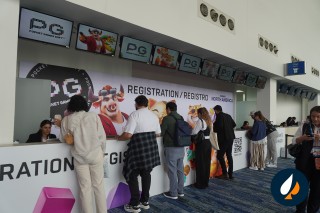
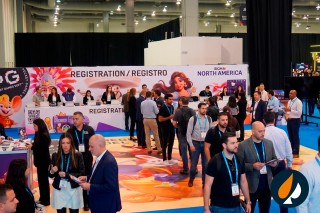
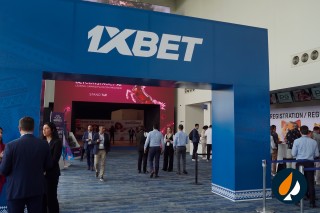
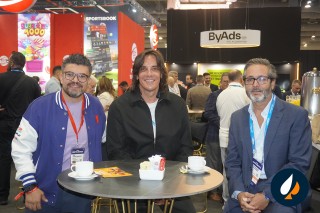
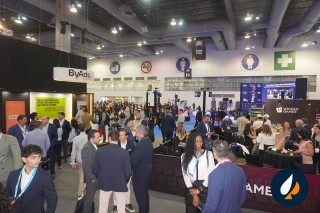

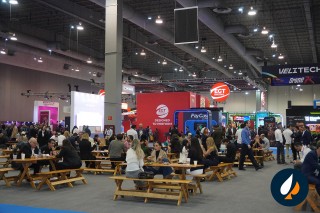
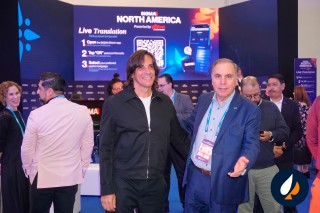
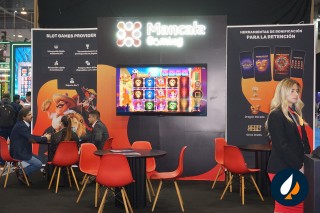
SiGMA North America 2026
01 de September 2026
LatAm Regulators Discussed Illegal Gambling and Innovation at SiGMA North America
(Mexico City, SoloAzar Exclusive).- The panel "The Red Pen Forum: Regulators Respond to the Industry," held during SiGMA North America 2026, brought together representatives from Uruguay, Argentina, Puerto Rico, and Honduras to analyze regulatory challenges, digital transformation, illegal gambling, and the need to adapt lotteries for new generations. The conference was moderated by Rodrigo Cigliutti, Executive Director of CIBELAE (Ibero-American Corporation of State Lotteries and Betting), and featured the participation of Marcelo Visconti, National Director of Lotteries and Quinielas of Uruguay; Carlos Moyano, President of IAFAS Entre Ríos, Argentina; Heidi Hernández Olivo, Deputy Secretary of the Puerto Rico Lottery; and Lissa Mencía, General Director of Lottery Operations and Games at Loto Honduras.
Monday 28 Sep 2026 / 12:00
SiGMA North America Addressed Crisis Management in iGaming
(Mexico, SoloAzar Exclusive).- During SiGMA North America 2026, Rosa Ochoa, founder of the Blue Global Gaming platform and strategic advisor for gaming operators; Iliana María Pineda Echeverri, Chief Legal & Compliance Officer at Wplay.co; Iraid Rosales, Country Manager Mexico at Amusnet; and Elizabeth Maya Cano, Executive President of CORNAZAR, analyzed the key factors in managing crisis situations within the iGaming industry, with a special focus on transparency, communication, technology, and preparation.
Friday 25 Sep 2026 / 12:00
Affiliates and Acquisition: Keys to Regulated Markets in North America
(Mexico City, SoloAzar Exclusive).- During SiGMA North America 2026, Cristopher Guzmán Reyes, Head of Affiliates at Logrand Entertainment Group; Guga Júnior, influencer and slots expert at Scalar Partners; Andrés Gómez, Head of Latin America Go-to-Market Strategy at Admattic; Yambot Aguilera, Gaming and Finance Sales Director at Google; and Paula Gabriel Jiménez, Advertising Client Growth Director for Microsoft at Aleph, analyzed the state and provincial affiliate ecosystem in North America, as well as the acquisition challenges in regulated markets.
Thursday 24 Sep 2026 / 12:00
SUSCRIBIRSE
Para suscribirse a nuestro newsletter, complete sus datos
Reciba todo el contenido más reciente en su correo electrónico varias veces al mes.