Problem Gambling in Ukraine: How Self-Exclusion and Monitoring Systems Support Responsible Gaming
Wednesday 28 de January 2026 / 12:00
⏱ 3 min read
(Kyiv).- While problem gambling affects a small share of Ukrainian players, self-exclusion registers, automated risk detection, and European monitoring standards are shaping a more sustainable and responsible gambling market.
Problem gambling is not considered a critical issue in Ukraine’s regulated gambling market, with estimates suggesting that potential problem gamblers account for just 0.5–1% of all players. Nevertheless, gambling addiction does exist and requires targeted, evidence-based countermeasures. As Ukraine continues to develop its gambling regulatory framework, the focus is shifting toward preventive tools such as self-exclusion mechanisms, automated behavioral monitoring, and state-level oversight systems.
One of the key challenges in any legal gambling market is preventing gambling-related harm. Jurisdictions at different stages of regulatory maturity adopt various approaches to mitigate addiction risks, ranging from strict state control to advanced technological solutions. In Ukraine, this includes the ongoing development of the State Online Monitoring System (SOMS), as well as industry-led tools designed to detect and manage risky gambling behavior.
Self-exclusion as an effective policy tool to address problem gambling in Ukraine
Self-exclusion has emerged as one of the most effective instruments in this area. It allows individuals to voluntarily register for restricted access to gambling activities, preventing them from placing bets across licensed platforms. While it may seem counterintuitive to rely on voluntary action from individuals experiencing addiction, international experience shows that self-exclusion registers are highly effective when combined with automated risk-detection systems and clear enforcement mechanisms.
Georgia offers a compelling regional example. After updating its gambling legislation, the country introduced an automatic exclusion register covering approximately 1.57 million individuals—nearly 40% of its population—including people under 25, public servants, and other protected groups. Alongside this, Georgia operates a voluntary self-exclusion register for individuals with gambling addiction, which currently includes around 36,000 people. Notably, 99% of those entries were made voluntarily, demonstrating that empowered self-regulation can be more effective than blanket prohibitions.
Across the European Union, responsible gambling policies are also advancing through harmonization. The European Gaming and Betting Association (EGBA), together with the European Committee for Standardization (CEN), has introduced a unified framework of “markers of harm.” These indicators are designed to identify risky gambling behavior at an early stage and include patterns such as sudden increases in betting frequency, extended gaming sessions, changes in spending behavior, and heightened nighttime activity.
Although the EU standard is voluntary, it represents the first pan-European methodology for identifying gambling-related harm, independent of individual operators or national markets. By establishing a shared analytical language, it enables regulators, licensed operators, and public health authorities to align their approaches to player protection.
As Ukraine continues to build and refine its State Online Monitoring System, integrating European best practices in self-exclusion and behavioral monitoring could significantly strengthen the market. A combined model—linking voluntary self-exclusion registers, automated harm-detection algorithms, and EU-aligned monitoring standards—would enhance transparency, consumer protection, and regulatory credibility.
Key next steps for Ukraine’s gambling regulation could include expanding voluntary self-exclusion access to all at-risk individuals, automating restrictions for high-risk player groups, and embedding European “markers of harm” into SOMS operations. Such an approach would benefit players, increase public trust in the legal gambling industry, and support sustainable state revenue while minimizing social risks.
Ultimately, self-exclusion and responsible gambling frameworks are likely to play a defining role in Ukraine’s integration into the broader European gambling ecosystem, setting a high standard for player protection and market stability.
Categoría:Legislation
Tags: Sin tags
País: Ukraine
Región: EMEA




Event


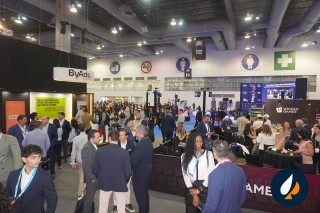

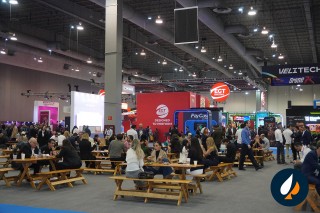


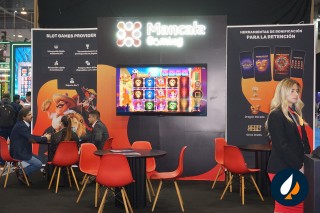
SiGMA North America 2026
01 de September 2026
LatAm Regulators Discussed Illegal Gambling and Innovation at SiGMA North America
(Mexico City, SoloAzar Exclusive).- The panel "The Red Pen Forum: Regulators Respond to the Industry," held during SiGMA North America 2026, brought together representatives from Uruguay, Argentina, Puerto Rico, and Honduras to analyze regulatory challenges, digital transformation, illegal gambling, and the need to adapt lotteries for new generations. The conference was moderated by Rodrigo Cigliutti, Executive Director of CIBELAE (Ibero-American Corporation of State Lotteries and Betting), and featured the participation of Marcelo Visconti, National Director of Lotteries and Quinielas of Uruguay; Carlos Moyano, President of IAFAS Entre Ríos, Argentina; Heidi Hernández Olivo, Deputy Secretary of the Puerto Rico Lottery; and Lissa Mencía, General Director of Lottery Operations and Games at Loto Honduras.
Monday 28 Sep 2026 / 12:00
SiGMA North America Addressed Crisis Management in iGaming
(Mexico, SoloAzar Exclusive).- During SiGMA North America 2026, Rosa Ochoa, founder of the Blue Global Gaming platform and strategic advisor for gaming operators; Iliana María Pineda Echeverri, Chief Legal & Compliance Officer at Wplay.co; Iraid Rosales, Country Manager Mexico at Amusnet; and Elizabeth Maya Cano, Executive President of CORNAZAR, analyzed the key factors in managing crisis situations within the iGaming industry, with a special focus on transparency, communication, technology, and preparation.
Friday 25 Sep 2026 / 12:00
Affiliates and Acquisition: Keys to Regulated Markets in North America
(Mexico City, SoloAzar Exclusive).- During SiGMA North America 2026, Cristopher Guzmán Reyes, Head of Affiliates at Logrand Entertainment Group; Guga Júnior, influencer and slots expert at Scalar Partners; Andrés Gómez, Head of Latin America Go-to-Market Strategy at Admattic; Yambot Aguilera, Gaming and Finance Sales Director at Google; and Paula Gabriel Jiménez, Advertising Client Growth Director for Microsoft at Aleph, analyzed the state and provincial affiliate ecosystem in North America, as well as the acquisition challenges in regulated markets.
Thursday 24 Sep 2026 / 12:00
SUSCRIBIRSE
Para suscribirse a nuestro newsletter, complete sus datos
Reciba todo el contenido más reciente en su correo electrónico varias veces al mes.